


Worker Health and Safety: Managing Hazardous and Toxic Exposures
 In manufacturing and industrial environments, some of the most serious occupational hazards are airborne. Dust, fumes, smoke, oil mist and other contaminants can create significant occupational health hazards, affecting workplace safety, employee well-being and long-term business performance.
Across industries such as metalworking, food processing, woodworking, pharmaceuticals and chemical processing, routine operations can generate airborne contaminants that create ongoing worker exposure risks and occupational exposure concerns. In many facilities, these risks are not obvious at first: contaminants may be invisible, accumulate slowly or travel far beyond the process where they are generated.
Connect with the experts at RoboVent to learn how you can protect your workers from occupational exposures to airborne contaminants.
Worker Health and Safety Risks from Airborne Contaminants
In the context of industrial air quality, “occupational hazard” includes any workplace condition that may lead to illness, injury or unsafe conditions caused by exposure to toxic or hazardous dust, fumes or mist. These toxic exposures can irritate the eyes, skin and respiratory system in the short term, while prolonged exposure may contribute to serious occupational health risks, including asthma, reduced lung function, neurological effects and certain cancers. Airborne contaminants can also create broader worker safety concerns, including combustible dust explosion risks and slip-and-fall hazards caused by settled dust or oil mist.
Because airborne contaminants often travel beyond the immediate source area, protecting worker health and safety requires more than basic housekeeping or ventilation. A proactive approach to dust, fume and mist control helps employers reduce exposure, improve indoor air quality, support OSHA compliance and create safer, more productive work environments.
Understanding the risks associated with airborne contaminants is the first step toward reducing occupational health hazards and improving workplace safety for everyone in the facility.
Learn more about how to address the specific risks in your industry.

Understanding How Occupational Exposure Risks and Workplace Safety Liabilities Affect Your Business
For business owners, worker health and safety goes beyond compliance. Unmanaged occupational exposure to dust, fumes and oil mist can affect productivity, retention, insurance costs, operational efficiency and long-term profitability. What may begin as minor complaints about odors, irritation or poor air quality can eventually contribute to absenteeism, lower morale and reduced workforce performance.
The financial impact of poor air quality often extends beyond employee well-being. Airborne contaminants can create housekeeping burdens, contaminate equipment, increase maintenance costs and contribute to unplanned downtime. Settled dust and oil mist may create slip hazards that increase injury risk, while combustible dust accumulation can expose facilities to catastrophic fire or explosion events. In highly regulated industries, unmanaged occupational hazards may also increase exposure to OSHA citations, workers’ compensation claims and legal liability.
Perhaps most importantly, today’s workforce notices workplace conditions. Clean, healthy facilities help employers attract and retain skilled workers in competitive labor markets, while poor air quality can quietly damage morale and trust. Investing in dust, fume and mist control is not only about reducing worker exposure risks and supporting workplace safety, it is about protecting uptime, reducing avoidable costs and building a safer, more productive operation.
Questions Workers and Employers May Ask About Hazardous and Toxic Exposures
When it comes to worker health and safety, questions often arise after symptoms, complaints or operational issues begin to surface. A facility may notice excessive dust buildup, lingering odors, employee concerns about air quality or increased housekeeping demands. Workers may question whether the air they are breathing is safe, while employers are often trying to understand whether conditions create meaningful occupational exposure risks, impact workplace safety or increase liability.
 Questions Workers May Ask
Employees are often the first to notice when something feels “off” in the workplace. Common concerns may include:
- Is the dust I’m breathing dangerous?
- Are welding fumes or oil mist harmful to my health?
- Why am I experiencing headaches, coughing, irritation or breathing discomfort at work?
- Could long-term exposure to fumes, dust or chemicals affect my health?
- What kinds of occupational health hazards exist in my work environment?
- How do I know if I’m being exposed to hazardous materials?
Questions Employers May Ask
Business owners and facility leaders are often focused on both worker well-being and operational risk. Common questions include:
- Do we have an indoor air quality problem?
- Are employees being exposed to hazardous dust, fumes or mist?
- What are our responsibilities for OSHA compliance and worker safety?
- Could dust accumulation create a combustible dust hazard?
- Are poor air conditions affecting productivity, absenteeism or retention?
- How can we reduce worker exposure risks without disrupting operations?
- What steps can we take to improve workplace safety and reduce liability?
Every facility has unique occupational hazards based on its materials, processes and environment. Understanding the right questions to ask is often the first step toward reducing toxic exposures, improving air quality and creating a safer, healthier workplace for employees.
If questions about worker health, safety or airborne toxic exposures are arising in your facility, RoboVent can help. Connect with an expert to better understand risks, improve workplace air quality and explore practical solutions.
How RoboVent Helps Manufacturers Improve Worker Health and Safety
Protecting worker health starts with understanding what workers are breathing. RoboVent helps manufacturers identify and reduce exposure risks from airborne dust, fumes, smoke, oil mist and other industrial contaminants that can impact employee health, productivity or operations.
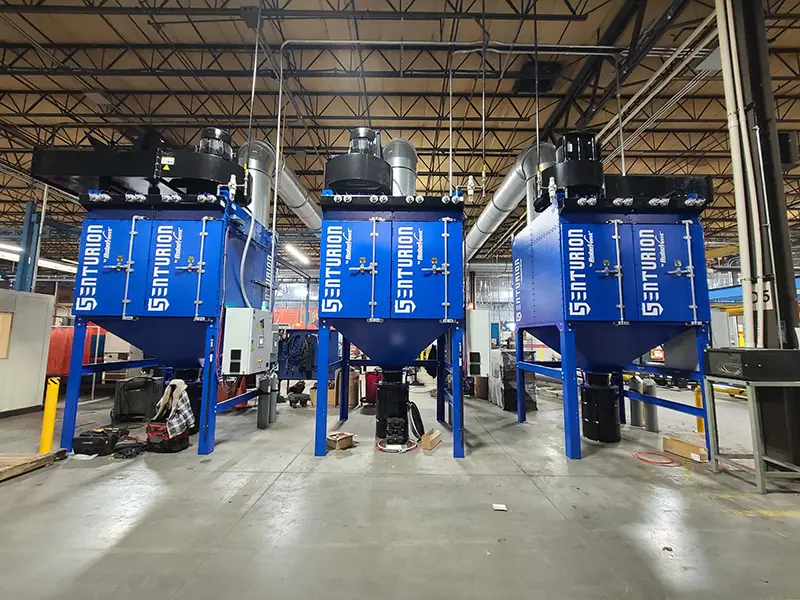
Our team works with facilities across a wide range of industries to evaluate air quality challenges and design practical, engineering-driven solutions for cleaner, safer workplaces. From source capture to facility-wide filtration, RoboVent helps manufacturers address occupational hazards with systems built around their specific processes, risks and goals.
Solutions may include:
- Dust collection for process and combustible dust
- Weld fume extraction and source capture
- Industrial ventilation and airflow improvements
- Ambient air filtration for facility-wide air quality
- Air quality testing and facility evaluations to identify hidden risks
Concerned About Worker Health and Safety in Your Facility?
Connect with a RoboVent expert to identify airborne risks, reduce worker exposure and improve workplace air quality.
Frequently Asked Questions About Worker Health and Safety and Occupational Exposure
What is an occupational hazard?
An occupational hazard is any condition, material or process in the workplace that may cause illness, injury or unsafe conditions for employees. In industrial environments, common occupational health hazards include airborne dust, fumes, smoke, oil mist and chemical aerosols that may create short- or long-term health risks. These hazards are often generated during cutting, grinding, welding, conveying, machining, mixing or thermal processing.
What is occupational exposure?
Occupational exposure refers to contact with potentially harmful substances or conditions while performing job duties. In manufacturing settings, this often includes breathing airborne contaminants such as dust, fumes or oil mist. Exposure may occur near the source process or in other areas of a facility where contaminants travel through the air, affecting broader workplace safety and indoor air quality.
What are common worker exposure risks in manufacturing?
Some of the most common worker exposure risks include inhalation of respirable dust, welding fumes, oil mist, smoke and chemical vapors. Exposure levels vary depending on materials, equipment, ventilation and housekeeping practices. In addition to respiratory concerns, contaminants may contribute to combustible dust hazards, surface contamination and slip risks caused by settled dust or oil residue.
What are the health risks of breathing industrial dust, mist and fumes?
Breathing industrial dust may contribute to a wide range of occupational health risks, depending on the type, size and concentration of particles. Some dusts are considered nuisance dusts and may cause irritation, while others—such as silica, metal particulates, pharmaceutical powders or combustible dusts—may contribute to more serious respiratory conditions, reduced lung function or long-term disease risks.
What is the difference between nuisance dust and hazardous dust?
Nuisance dust generally refers to airborne particles that are not regulated as a substance-specific toxic contaminant but may still irritate the eyes, nose, throat or respiratory system at sufficient concentrations. Hazardous dust, or process dust, may contain harmful chemicals, combustible materials or toxic metals that create greater hazardous exposure risks. Understanding this distinction is important when evaluating industrial air quality and selecting appropriate dust collection strategies.
Are welding fumes dangerous?
Yes. Welding fumes may contain extremely fine particulates and metallic compounds that create serious occupational health hazards. Depending on the materials being welded, fumes may contain substances such as manganese, hexavalent chromium and other metals associated with respiratory irritation, neurological effects and increased cancer risks. Effective source capture and filtration are critical for reducing worker exposure risks.
Can oil mist create workplace safety hazards?
Yes. Oil mist generated during machining and metalworking processes may affect both employee health and worker safety. Inhalation exposure may irritate the respiratory system, while settled oil mist can create slippery surfaces, housekeeping challenges and equipment contamination. Left unmanaged, these conditions may increase maintenance costs and slip-and-fall risks.
What is combustible dust and why is it dangerous?
Combustible dust is fine particulate material that can ignite or explode under the right conditions. Materials such as metal dust, wood dust, grain dust, food powders and certain chemicals may create explosion risks when suspended in the air and exposed to an ignition source. Even small initial explosions can trigger larger secondary events if dust accumulates throughout a facility.
What does OSHA require employers to do about airborne hazards?
While requirements vary by contaminant and industry, OSHA generally requires employers to provide a workplace free from recognized hazards and maintain exposures below established permissible exposure limits (PELs) for certain substances. Managing dust, fumes and mist can support OSHA compliance, reduce liability and improve worker health and safety. Employers should also consider ventilation, engineering controls and housekeeping practices to reduce risk.
What industries face the highest occupational exposure risks?
Many industries experience occupational exposure to airborne contaminants, including metal fabrication, welding, woodworking, battery manufacturing, pharmaceuticals, food processing, chemical manufacturing, mining and material handling. Any process that creates fine particulates, fumes or mist may introduce occupational hazards that require evaluation and control.
How can employers reduce worker exposure risks?
Reducing worker exposure risks often starts with identifying where contaminants are generated and how they move throughout the facility. Effective strategies may include exposure assessment, source capture, dust collection systems, ambient air filtration, industrial ventilation improvements, housekeeping programs and air quality testing. A proactive approach helps improve workplace safety, reduce liability and create a healthier work environment.
How do I know if my facility has an indoor air quality problem?
Signs of poor industrial indoor air quality may include visible haze, excessive dust buildup, lingering odors, employee complaints, respiratory irritation, dirty surfaces, increased filter maintenance or inconsistent air movement. In many cases, air quality concerns are not obvious until productivity, morale or equipment performance begins to suffer. Testing and evaluation can help identify hidden exposure risks before they become larger problems.


