


VentMapping® Engineering Services
Engineered Solutions for Complex Dust, Fume & Ventilation Challenges
VentMapping® is RoboVent’s comprehensive engineering process for dust collection, fume control and industrial ventilation challenges that require more than an off-the-shelf solution. Our engineers combine onsite evaluation, testing, system analysis and advanced engineering tools as needed to understand the problem and develop the right solution for your facility, processes and performance goals.
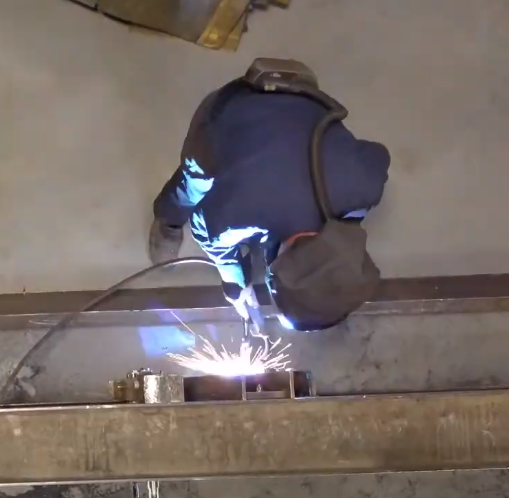
Custom Dust and Fume Solutions for Complex Applications
Some dust, fume and ventilation challenges can be solved with a straightforward equipment recommendation. Others require a deeper understanding of the facility, process and existing systems before the right solution becomes clear.
VentMapping® gives RoboVent engineers a structured way to investigate complex applications, identify the factors affecting performance and develop a solution tailored to the real conditions in your facility. Depending on the challenge, that may involve onsite evaluation, testing, engineering analysis, system design or advanced tools such as 3D scanning and CFD modeling.
With VentMapping, you can:
- Reduce guesswork by basing engineering decisions on actual facility and process conditions
- Identify the root cause of airflow, capture or system performance problems
- Evaluate the whole system instead of treating equipment, ductwork and ventilation as isolated components
- Right-size the solution to avoid underperforming systems or unnecessary equipment and expense
- Address unique constraints such as difficult layouts, changing processes or interacting ventilation systems
- Move from problem to implementation with engineering support from evaluation and design through installation and validation
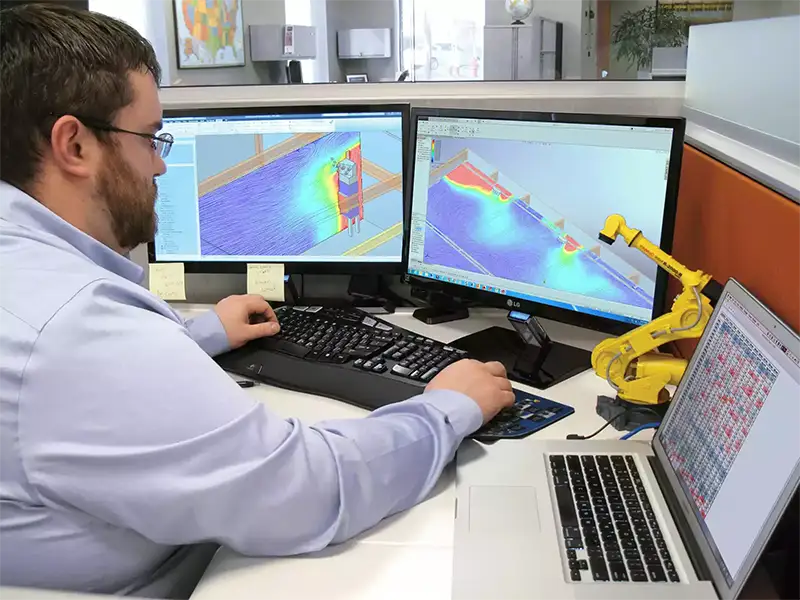
A Five-Step Approach to Complex Dust & Fume Challenges
1. Understand the Challenge
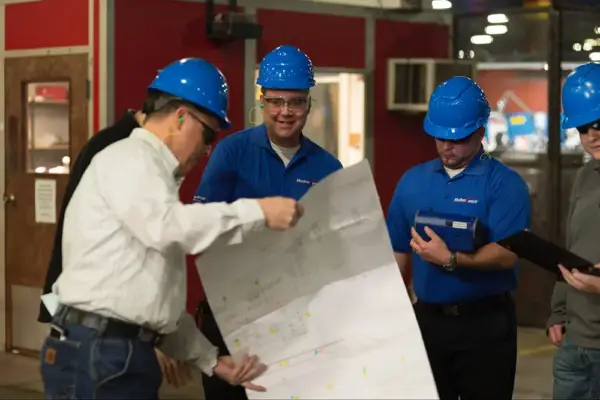
We start by learning about your facility, processes, contaminants, production goals and current dust collection or ventilation systems. This initial discovery helps define the problem, identify key constraints and determine what additional information is needed.
2. Evaluate the Facility
Next, we gather the data needed to understand actual operating conditions. Depending on the application, this may include onsite observations, airflow measurements, air quality or exposure testing, system performance testing, dust accumulation assessment or evaluation of existing equipment and ductwork. Learn more: Facility Testing and Evaluation
3. Analyze the Problem
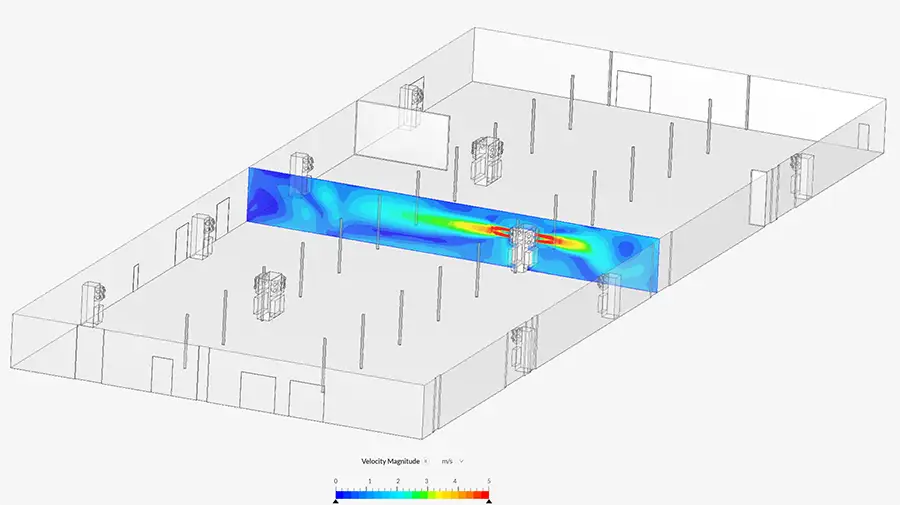
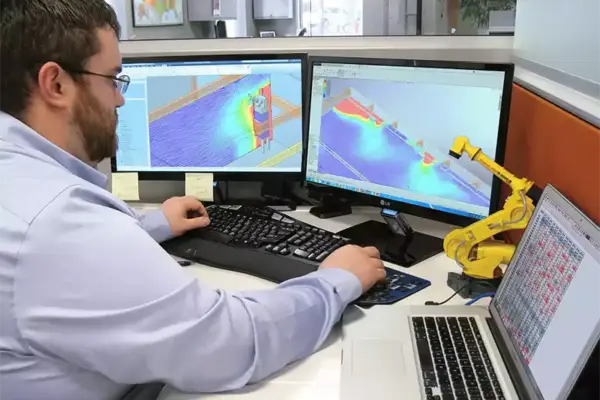
RoboVent engineers use the information collected onsite to identify root causes, evaluate airflow and capture requirements and determine the best path forward. For more complex applications, this step may also include engineering calculations, 3D scanning, CAD modeling or computational fluid dynamics (CFD) analysis. Learn more: Computer-Based Design and Modeling for Dust Collection
4. Engineer the Solution
Once the problem is understood, we develop a solution around your facility, processes and performance requirements. Recommendations may include source capture, dust collection, fume extraction, ambient filtration, ventilation, ductwork modifications, controls or a combination of approaches. Learn more: Dust Collection System Design and Engineering
5. Implement & Validate
RoboVent goes beyond recommendations and system design. We support installation, commissioning and system optimization, then verify performance through airflow measurements, testing or other evaluation methods as appropriate. The goal is to make sure the finished system performs as intended under real-world operating conditions. Learn more: System Installation
Comprehensive Dust, Fume & Ventilation Engineering
Depending on your challenge, your VentMapping® engagement may include:
Facility Testing & Evaluation: Assess current conditions, contaminant levels and system performance.
Dust Collection & Ventilation Engineering: Develop a custom solution for your process and facility.
System Audits & Optimization: Identify performance gaps and opportunities to improve existing systems.
Source Capture & Airflow Analysis: Evaluate how contaminants are generated, captured and moved through the facility.
Advanced Modeling & Simulation: Use 3D scanning, CAD or CFD when deeper visualization and analysis are needed.
Implementation & Performance Validation: Support installation, commissioning and verification that the finished system performs as intended.

Engineering Expertise for Complex Dust & Fume Challenges
VentMapping® is backed by an experienced engineering team with decades of experience solving difficult industrial air quality and ventilation problems. From heavy weld fume to complex bulk and powder applications, RoboVent brings the technical depth, application knowledge and practical experience needed to engineer solutions that work in the real world.
- Decades of engineering experience in dust collection, fume control and industrial ventilation
- Broad application expertise across welding, metalworking, bulk and powder, combustible dust and other demanding processes
- Standards-informed design using ACGIH guidance, ANSI/ASSP Z9.2, OSHA requirements and applicable NFPA standards
- Whole-system expertise encompassing source capture, airflow, ductwork, filtration, ventilation and controls
- Advanced tools when needed, including onsite testing, 3D scanning, CAD and CFD modeling
- End-to-end support from evaluation and engineering through installation, commissioning and validation
Have a dust, fume or ventilation challenge that doesn’t have an obvious answer?
RELATED SERVICES
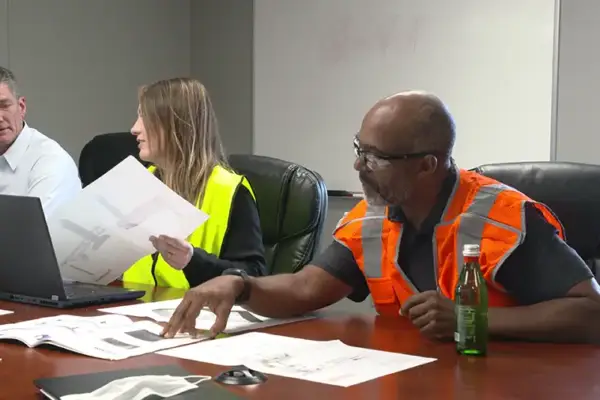
Dust Collection Systems Design and Engineering
Dust Collection Systems Design and Engineering Industrial dust collection engineering services ...
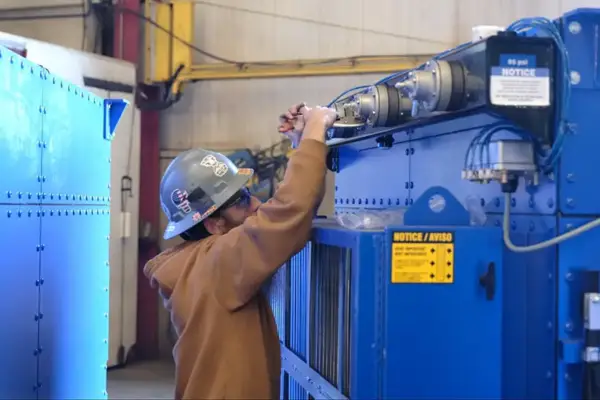
Dust Collection System Optimization
Dust Collection System Optimization Improve the Performance of Your Dust Collection System Dus...
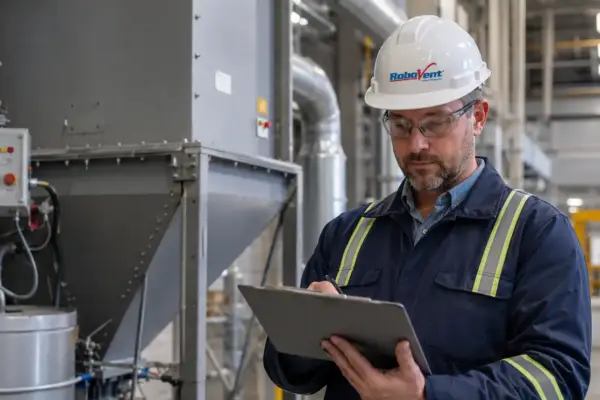
NFPA Compliance Audit for Dust Collection Systems
NFPA Compliance Audit for Dust Collection Systems Ensure Your Dust Collection System Meets NFPA...
Dust Collection System Audit
Dust Collection System Audit Identify What’s Limiting Your System Performance A dust collect...
Industrial Ventilation System Design
Industrial Ventilation System Design Improving Indoor Air Quality, Comfort and Compliance Throu...
Frequently Asked Questions
VentMapping
What is VentMapping®?
VentMapping® is RoboVent’s comprehensive engineering process for complex dust, fume and industrial ventilation challenges. It brings together the evaluation, testing, analysis, engineering and specialized tools needed to understand the problem and develop the right solution for your facility.
When do I need VentMapping?
VentMapping is typically used when a standard equipment recommendation is not enough. This may include difficult source capture applications, underperforming existing systems, unusual facility constraints, interacting ventilation systems, complex bulk and powder processes or new processes and production lines requiring a custom-engineered solution.
What is CFD modeling?
Computational fluid dynamics (CFD) modeling uses computer simulations to visualize how air, dust and fumes move through a facility or ventilation system. RoboVent may use CFD for complex applications where airflow patterns, contaminant movement or system interactions are difficult to evaluate through measurements and calculations alone. It can help engineers compare design options and predict performance before changes are made in the facility.
Does every VentMapping project include CFD modeling?
No. Computational fluid dynamics (CFD) is one of many tools RoboVent engineers may use when it adds value to the project. Depending on the application, a VentMapping engagement may rely on onsite testing, airflow measurements, engineering calculations, system analysis, 3D modeling or other methods instead.
Does VentMapping include facility testing?
It can. Facility testing and evaluation may be used to establish current conditions, measure contaminant levels, evaluate airflow or determine how well an existing dust collection or ventilation system is performing. The scope depends on the specific challenge.
Can VentMapping be used to improve an existing dust collection system?
Yes. VentMapping can help identify why an existing dust collection, fume extraction or ventilation system is not performing as expected and determine whether changes are needed to capture points, airflow, ductwork, equipment, controls or other system components.
Can VentMapping be used for new facilities or production lines?
Yes. VentMapping can be used during the planning and design stages to evaluate process requirements, facility constraints and ventilation needs before equipment and systems are finalized.
What happens after a VentMapping evaluation?
RoboVent engineers translate their findings into actionable recommendations. Depending on the project, that may include system modifications, equipment recommendations, a complete engineered dust collection or ventilation solution or additional analysis and testing.
Can RoboVent implement the solution it recommends?
Yes. RoboVent can support the project from initial evaluation and engineering through equipment selection, system design, installation, commissioning and performance validation.
Contact Us
Need to schedule a repair or PM appointment? Just fill out the form below. Or call us at (888) 762-6836 to schedule an emergency repair.


