


RoboVent Solutions for Defense Aerospace Environments
 Whether you’re fabricating carbon fiber parts, welding titanium engine components, or machining satellite housings, RoboVent offers tailored air quality solutions that address the unique challenges of defense aerospace operations. Our offerings include rugged cartridge dust collectors, source capture and ambient air filtration systems, and custom-designed hoods and enclosures built for high-performance defense environments. We help clients solve key challenges such as:
- Containing airborne contaminants from high-energy and precision processes—including welding, laser cutting, abrasive blasting and additive manufacturing
- Managing combustible and toxic dusts from titanium, aluminum, magnesium, carbon fiber and nanomaterials
- Supporting ISO and DoD cleanliness requirements for parts assembly, avionics and space system components
- Enabling clean, modular work environments for large-part fabrication and mobile maintenance operations
- Reducing lifecycle costs through long filter life, low maintenance requirements and rugged system design
Related Resources
Dust and Fume Control Applications for Defense Aerospace
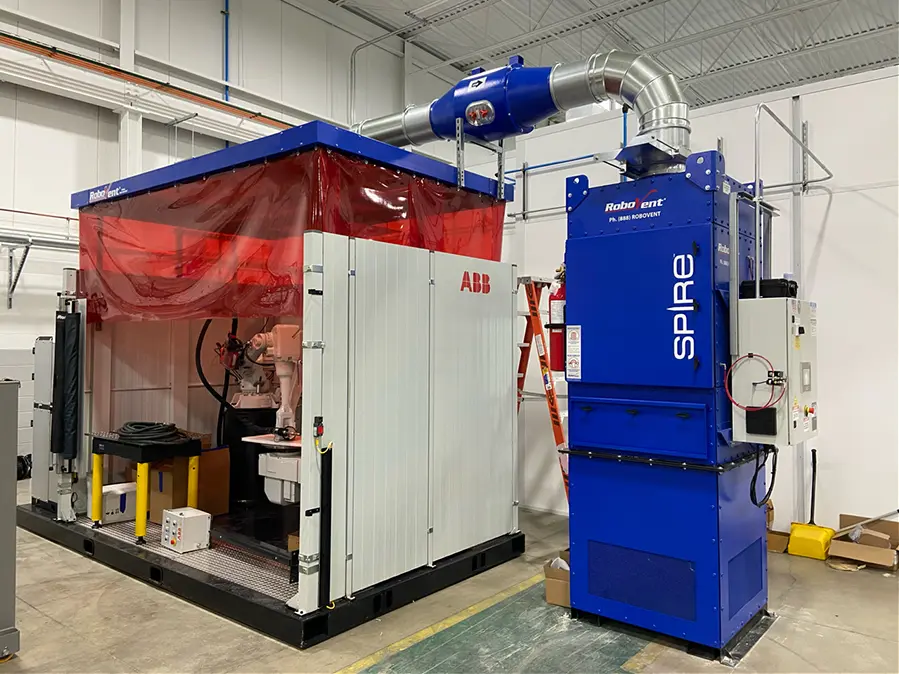 From structural fabrication to satellite component machining, defense aerospace operations involve a wide range of processes that generate hazardous airborne contaminants. RoboVent provides targeted solutions for each of these high-risk environments.
- Aircraft and Airframe Manufacturing: Welding, grinding, cutting, sanding, abrasive blasting and painting during fuselage, wing and structural component fabrication.
- Propulsion and Engine Systems: Laser welding, precision grinding, machining, polishing and thermal spray coating for jet engine and turbine components.
- Carbon Fiber Component Machining: Cutting, sanding and drilling of carbon fiber materials, which release fine, hazardous particulates requiring effective containment and filtration.
- Avionics and Electronic Systems: Soldering, light machining, assembly and repair of sensitive guidance and control systems, often in electrostatic- or cleanliness-controlled environments.
- Space Technologies and Satellite Components: Additive manufacturing, composite trimming, drilling and cleanroom-compatible operations for spacecraft and sensor hardware.
- MRO (Maintenance, Repair, and Overhaul): Welding, cutting, grinding, surface prep and part cleaning across aircraft and engine repair bays, including modular and mobile setups.
Air Quality Challenges in Defense Aerospace Operations
Aerospace and space systems manufacturing for defense presents one of the most complex industrial environments for dust and fume control. From high-performance materials to massive part sizes and strict cleanliness standards, these operations demand engineered solutions built for safety, compliance and performance.
- Large, Complex Parts: Aircraft fuselages, wings, engine assemblies and satellite frames require scalable solutions for source capture and containment, including modular enclosures and overhead filtration.
- Combustible and Toxic Materials: Titanium, magnesium, aluminum and carbon fiber generate fine dusts that are highly combustible or hazardous to inhale, requiring strict NFPA compliance and safe containment.
- Precision and Cleanliness Requirements: Many operations require ISO-class clean environments to protect sensitive electronics and ensure structural integrity, especially for guidance systems and space-bound components.
- Advanced Manufacturing Processes: Laser welding, additive manufacturing and thermal coatings introduce new types of airborne contaminants that demand specialized filtration.
- High Downtime Risk: Production interruptions can delay mission-critical programs; systems must be reliable, maintainable and designed for operational continuity.
- Regulatory Complexity: Defense operations must meet overlapping standards from OSHA, NFPA, ISO, MIL-STD and DOEHRS, requiring thoughtful system design and full audit traceability.
Health Risks from Airborne Contaminants in Defense Aerospace Work
Workers in defense aerospace environments face daily exposure to a wide range of hazardous materials. Effective dust and fume control is essential to protect respiratory health, reduce chronic illness and ensure workforce readiness. Common exposure risks include:
- Welding Fumes: Hexavalent chromium, nickel, manganese and other metals found in welding fumes can cause lung damage, neurological effects and cancer with long-term exposure.
- Titanium and Aluminum Dust: These lightweight metals produce fine particulates that can accumulate in the lungs and are difficult to expel, leading to chronic respiratory conditions.
- Magnesium Dust: Highly combustible and irritating to the lungs and eyes, magnesium dust poses both a safety and health hazard.
- Carbon Fiber and Composites: Machining and sanding composite materials releases fine particulates that can cause skin and respiratory irritation, with some particles acting as mechanical lung irritants.
- Nanoparticles from Additive Manufacturing: Ultrafine particles produced during 3D printing and thermal spray processes can penetrate deep into the lungs and enter the bloodstream, potentially affecting cardiovascular and respiratory health.
RoboVent systems are engineered to capture these contaminants at the source or within the ambient environment, protecting the health of your team and maintaining safe, breathable workspaces.
Compliance with DoD and Industry Air Quality Standards
Defense aerospace facilities—whether DoD-operated or contractor-run—must meet a complex web of safety and environmental regulations. These include general workplace standards as well as DoD-specific requirements for occupational health and facility safety. Failure to comply can lead to audit findings, contract delays and risks to mission readiness. Key compliance frameworks include:
- OSHA Regulations (29 CFR 1910): Governs permissible exposure limits (PELs) for toxic substances like hexavalent chromium, manganese and aluminum dust common in aerospace work.
- NFPA Standards (especially NFPA 660): Required for combustible dust hazard mitigation involving reactive metals such as magnesium, aluminum and titanium.
- MIL-STD and MIL-SPEC Requirements: Defense contracts may include military-specific facility and process standards for air quality, clean manufacturing and explosion prevention.
- ISO 14644 (Cleanroom Standards): Applies to avionics and electronics assembly requiring particle-controlled environments.
- DOEHRS (Defense Occupational and Environmental Health Readiness System): Tracks worker exposures across DoD facilities and contractor sites, requiring accurate monitoring and engineering controls to limit inhalation hazards.
RoboVent systems are designed to support full compliance with air quality standards, with advanced filtration technologies, containment solutions and engineering controls that align with DoD directives and audit protocols.

Supporting the Mission Through Air Quality Excellence
Clean, compliant air isn’t just a safety measure—it’s a strategic advantage. In defense aerospace environments, every component, every weld, and every technician contributes to mission readiness. RoboVent’s air quality solutions help protect skilled workers, ensure audit readiness and maintain the high production standards defense contracts demand.
From fuselage welding bays to space technology machining cells, we help our partners build safer, more efficient operations that meet today’s toughest industrial and military requirements.
Ready to align your air quality systems with defense-grade performance? Talk to RoboVent.
Ready to build a safer, more compliant workspace?
Talk to our team about air quality solutions built for defense environments—by people who understand the mission.
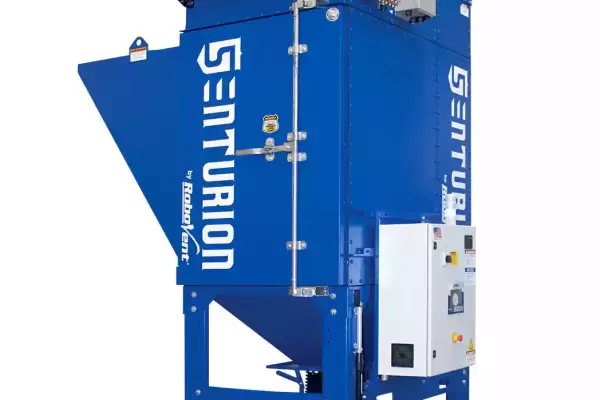
Senturion
Senturion Modular Dust Collector ONE TOUGH DUST COLLECTOR. COUNTLESS APPLICATIONS. Senturion i...
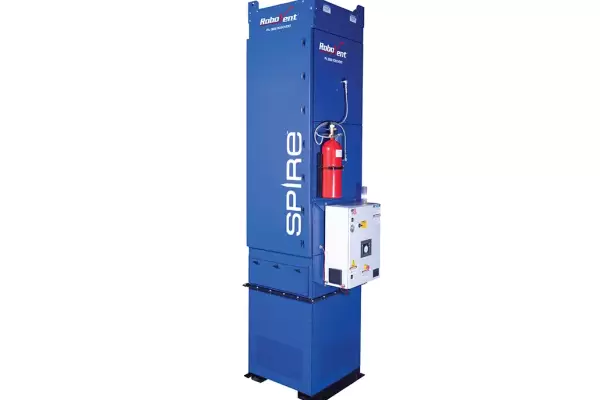
Spire Series
Spire Series Robotic Weld Fume Extractor ROBOTIC WELD FUME CONTROL TAILORED TO YOU Don't pay f...
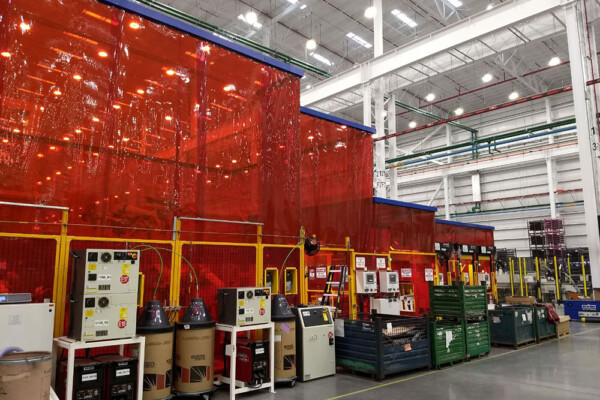
Welding Booth for Robotic Welding Cells
Streamline Hood™: Robotic Welding Hood A modular industrial hood engineered for efficient sou...
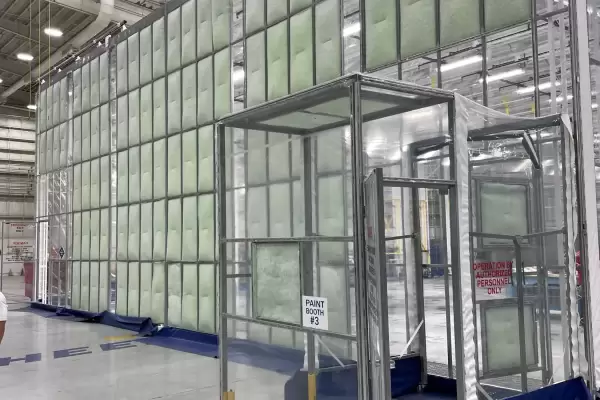
DuroRoom
Retractable Industrial Enclosures DuroRoom™ is a flexible process containment system engineer...
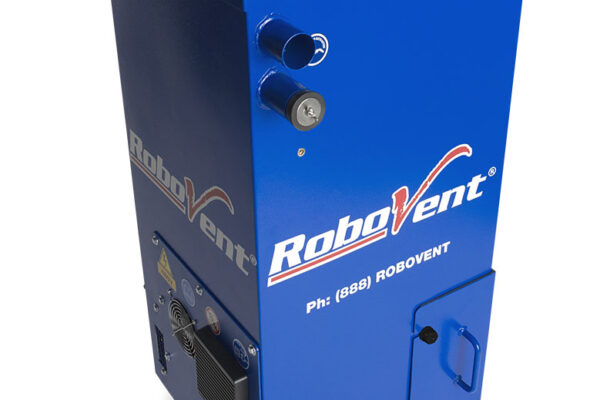
ProCube II
ProCube II Portable Weld Fume Extractor | RoboVent HI-VAC FILTRATION FOR MANUAL AND ROBOTIC WEL...
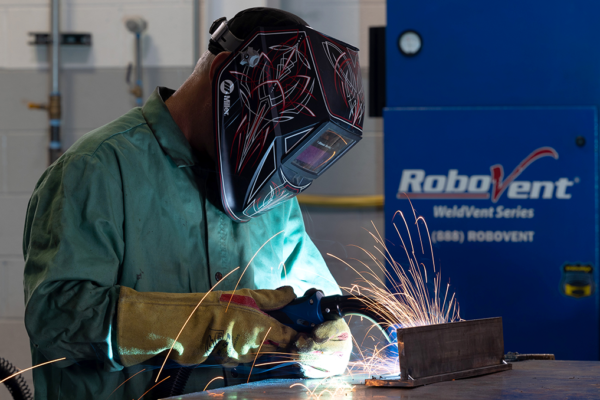
MIG Fume Guns
MIG Fume Extractor Gun XFUME™ FUME EXTRACTION WELDING GUNS Protect welders by collecting wel...
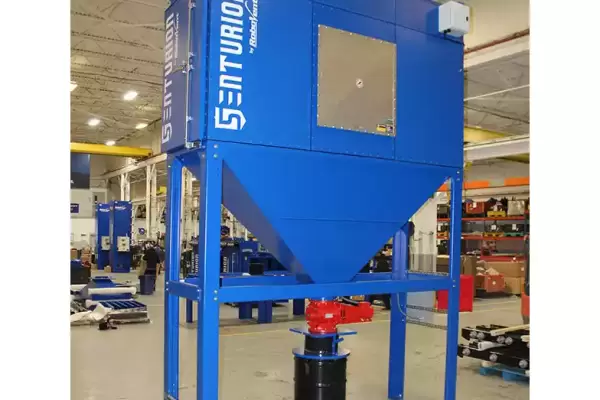
Deflagration System
Protecting your workers and facility from the risks of combustible dust, RoboVent's Deflagratio...
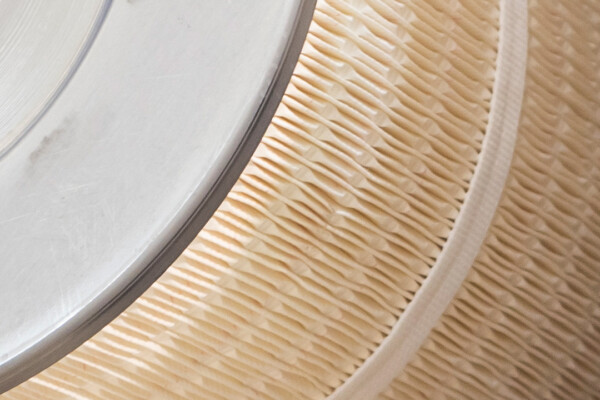
PleatLock Dust Collector Cartridge Filters
PLEATLOCK DUST COLLECTOR CARTRIDGE FILTERS Why PleatLock? 35% more media extends filter life a...
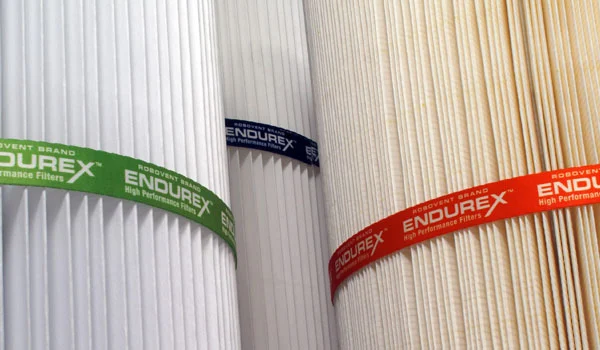
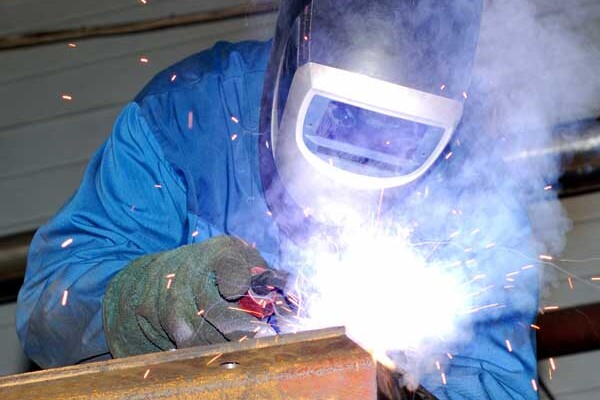
Welding Fumes Collection
EXPOSURE RISKS FOR WELDING FUMES Weld fumes are a particularly dangerous inhalation risk because...

Nanomaterials Dust Collection
WHAT ARE NANOMATERIALS? Nanomaterials are materials with a size ranging from 1 to 100 nanometers...
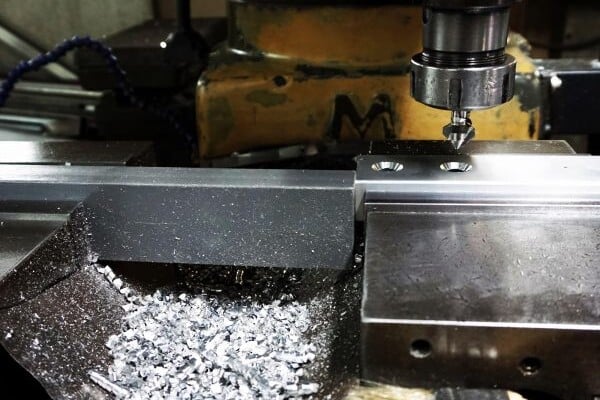
Aluminum Dust Collection System
EXPOSURE RISKS FOR ALUMINUM DUST While the most common physical problem associated with aluminum...
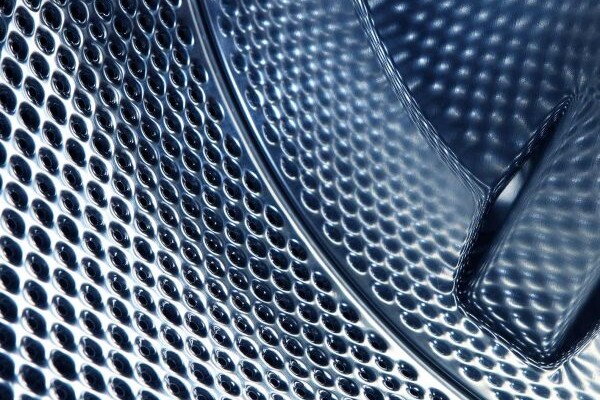
Iron and Chrome Dust Collection
EXPOSURE RISKS FOR IRON AND CHROME DUST Many industrial processes involve iron or chrome in eith...
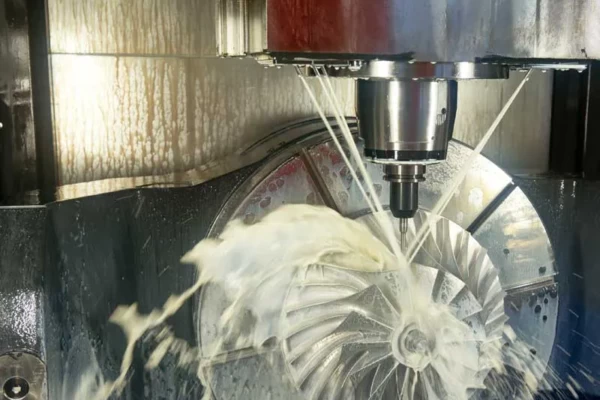
Oil Mist Collection System
EFFICIENT OIL MIST COLLECTION THROUGH SOURCE CAPTURE It is important to protect workers from th...
CONTACT US
Contact one of our industrial dust experts to gain the advantage against dust-generating processes and applications.


