


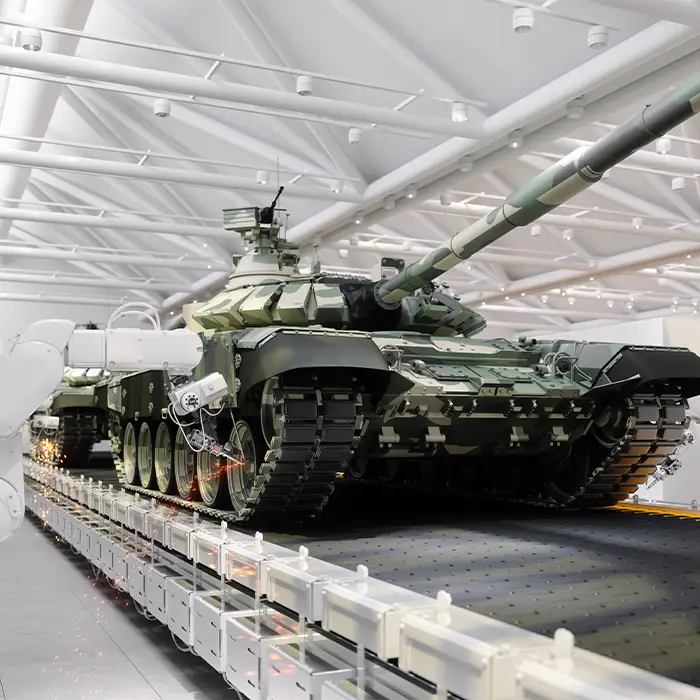
RoboVent Solutions for Military Vehicle and Equipment Manufacturing
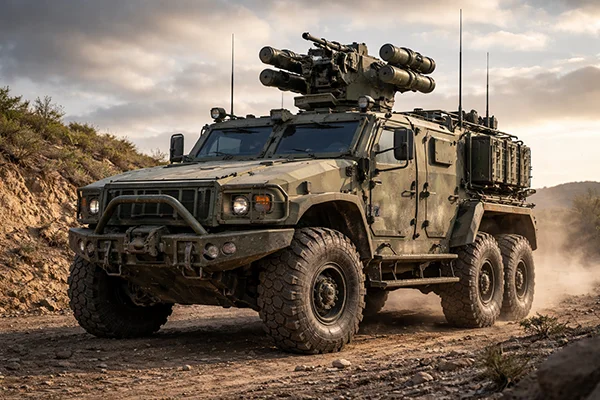 At RoboVent, we specialize in air quality systems that meet the heavy-duty demands of defense manufacturing. Our solutions are engineered to control hazardous dust, fumes and mist at every stage of production, keeping your people safe, your facility compliant and your operation mission-ready. From source capture systems for welding bays to ambient filtration for large fabrication floors, we design systems that work as hard as you do. RoboVent supports military vehicle and equipment manufacturers with:
- Durable, high-efficiency dust collectors for demanding fabrication and welding environments
- Custom hoods, enclosures and source capture solutions built for large, irregular parts
- Ambient air filtration systems to maintain safe, breathable air across large production spaces
- Modular clean air zones for welding, assembly or repair operations
- Lifecycle-focused designs that prioritize filter life, service access, and total cost of ownership
Related Resources
Processes in Military Vehicles and Equipment Manufacturing
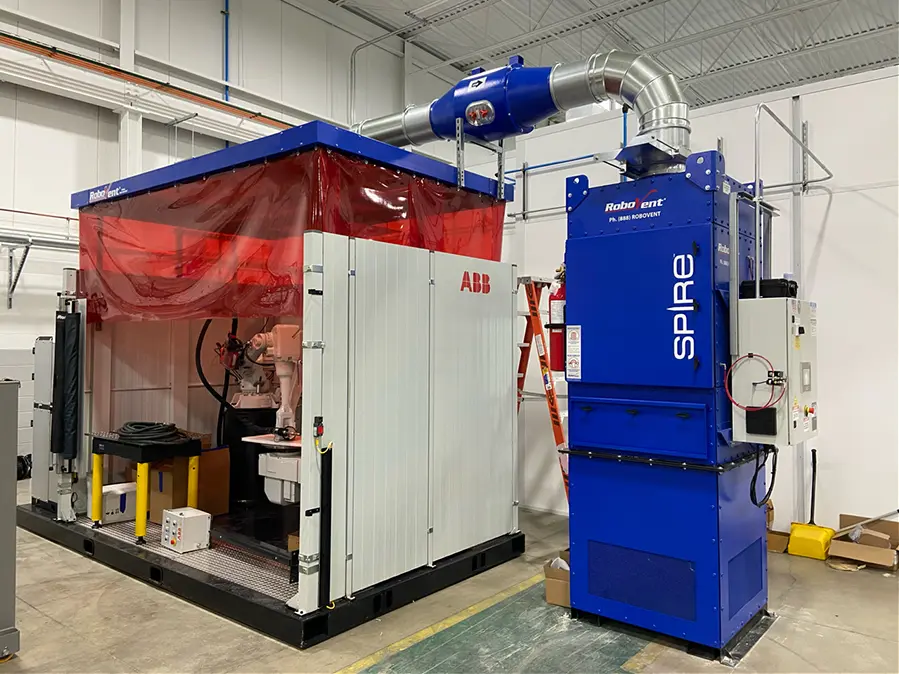 Manufacturing military vehicles and equipment involves a broad range of high-particulate and fume-generating processes, often performed on large, heavy components in demanding environments. RoboVent systems are engineered to address air quality challenges across these mission-critical applications:
- Metal Cutting and Machining: Plasma cutting, grinding and CNC machining of armored steel and alloy components generate fine metal dust and sparks, requiring both source capture and fire mitigation.
- Welding and Thermal Joining: Manual and robotic welding processes—especially on aluminum, steel, and composite parts—produce hazardous fumes containing hexavalent chromium, manganese, and other toxins.
- Surface Prep and Abrasive Blasting: Paint removal, rust cleaning and surface roughening generate large volumes of airborne dust and debris, particularly in chassis and armor plate work.
- Painting and Coating: Spray painting and powder coating operations release overspray, VOCs, and potentially flammable particulates, necessitating containment and ventilation controls.
- Assembly and Fabrication: General assembly processes—including drilling, fastening and brazing—contribute to background dust and require ambient filtration for worker protection.
Air Quality Challenges in Military Vehicle and Equipment Manufacturing
From armored vehicles to mobile weapons systems, military equipment manufacturing presents distinct environmental and safety challenges that push beyond typical industrial needs. Air quality systems must be rugged, adaptable and designed for both personnel protection and compliance in mission-critical settings.
- Heavy and Bulky Components: Vehicle frames, armor plating and turret systems require scalable solutions that can contain contaminants during fabrication and repair of large, hard-to-enclose parts.
- High-Duty Cycles and Tough Materials: Frequent welding and cutting on hardened steels and specialty alloys create dense fume and dust loads that demand high-capacity filtration and long filter life.
- Combustible Dust Hazards: Operations involving aluminum, titanium and magnesium alloys generate fine, reactive dusts that must be safely captured and contained to meet NFPA and DoD standards.
- Mobile and Outdoor Workspaces: Maintenance and fabrication often occur in open bays, depots or mobile setups, requiring flexible systems that perform reliably in less controlled environments.
- Dirty and Demanding Conditions: Military industrial environments can involve grease, oil, sand, humidity and temperature extremes that challenge system durability and serviceability.
- Strict Documentation and Lifecycle Expectations: Defense contractors face ongoing audits and reporting requirements, making it critical for systems to support clean operations, compliance logging and service tracking.
Health Risks in Military Vehicle Fabrication
Manufacturing military vehicles exposes workers to a range of hazardous airborne contaminants that can jeopardize respiratory health and long-term well-being. Effective dust and fume control is essential to protect skilled personnel and meet occupational safety standards.
- Welding Fumes: Manual and robotic welding of armor-grade steel, aluminum and specialty alloys generates toxic fumes containing hexavalent chromium, manganese and nickel-linked to lung disease, neurological effects and cancer.
- Grinding and Cutting Dusts: Machining and surface prep on hardened or coated metals produce fine particulates that can cause chronic respiratory irritation and increase the risk of occupational asthma or pneumoconiosis.
- Oil Mists and Residues: Fluid-based machining and lubrication processes introduce airborne oil mists, which can inflame airways and contribute to long-term respiratory conditions if left unfiltered.
- Paint and Coating Fumes: VOCs and overspray from military-grade coatings may contribute to acute symptoms such as dizziness or headaches, and long-term exposure is associated with respiratory and central nervous system impacts.
RoboVent systems are engineered to intercept these hazards through effective source capture or ambient air filtration, protecting personnel health, reducing facility risk and ensuring a safe, breathable work environment.
Regulatory Compliance for Defense Vehicle Production
Military vehicle and equipment manufacturers must meet a complex set of occupational safety and environmental standards, often exceeding typical industrial requirements. These include both federal regulations for general industry and DoD-specific mandates governing air quality, dust hazards and worker exposure for DoD agencies and contractors.
- OSHA (29 CFR 1910):Enforces permissible exposure limits (PELs) for hazardous substances like hexavalent chromium, manganese and oil mist. Also governs requirements for ventilation, PPE and engineering controls in general industry.
- NFPA 660:Provides standards for managing combustible dust hazards (including proper dust collection system design, explosion protection and deflagration mitigation), which is critical when working with aluminum, magnesium and other reactive metals common in vehicle manufacturing.
- MIL-STD and MIL-SPEC Requirements:Defense contracts may mandate specific environmental and safety standards for manufacturing facilities, processes and equipment to ensure reliability and safety in mission-critical applications.
- DOEHRS (Defense Occupational and Environmental Health Readiness System):Requires defense contractors to monitor and report worker exposures in accordance with DoD health surveillance programs. Robust engineering controls are essential to meet threshold levels and avoid audit findings.
- ISO 45001 (Occupational Health and Safety Management):Many contractors adopt ISO 45001 frameworks to demonstrate proactive risk management and safety leadership.
RoboVent systems are designed to support compliance at every level, offering rugged, auditable solutions that align with OSHA, NFPA, and DoD requirements. Our systems are engineered for safety and continuous performance, helping contractors pass inspections and maintain contract readiness.

Ready to Serve: Air Quality Solutions for Military Manufacturing
When it comes to military vehicles and defense equipment, reliability starts on the shop floor. RoboVent delivers engineered air quality solutions that help contractors protect their workforce, meet compliance requirements, and keep production moving for mission-critical programs.
With more than half of our leadership team made up of military veterans, we bring a deep understanding of the environments you operate in—and the standards you’re held to. Whether you’re welding armored hulls, machining drivetrain components or restoring field equipment, RoboVent is ready to support your mission with rugged, reliable systems built for the long haul.
Ready to align your air quality systems with defense-grade performance? Talk to RoboVent.
Ready to build a safer, more compliant workspace?
Talk to our team about air quality solutions built for defense environments—by people who understand the mission.
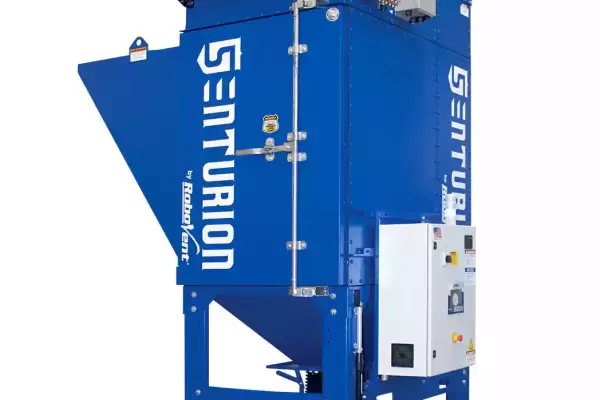
Senturion
Senturion Modular Dust Collector ONE TOUGH DUST COLLECTOR. COUNTLESS APPLICATIONS. Senturion i...
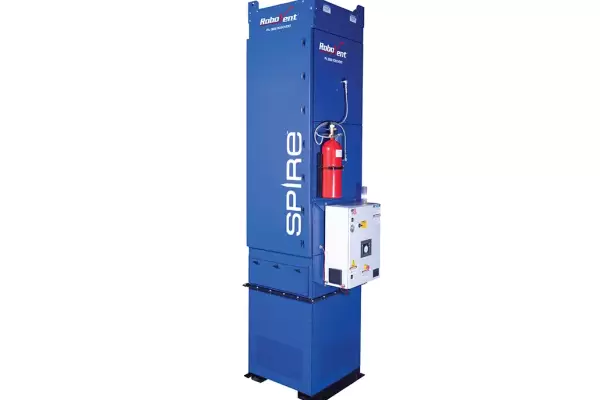
Spire Series
Spire Series Robotic Weld Fume Extractor ROBOTIC WELD FUME CONTROL TAILORED TO YOU Don't pay f...
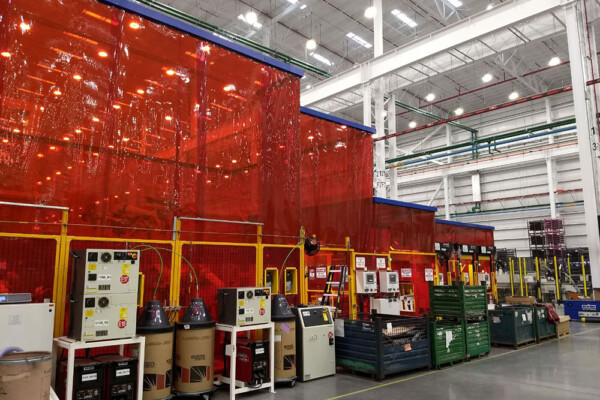
Welding Booth for Robotic Welding Cells
Streamline Hood™: Robotic Welding Hood A modular industrial hood engineered for efficient sou...
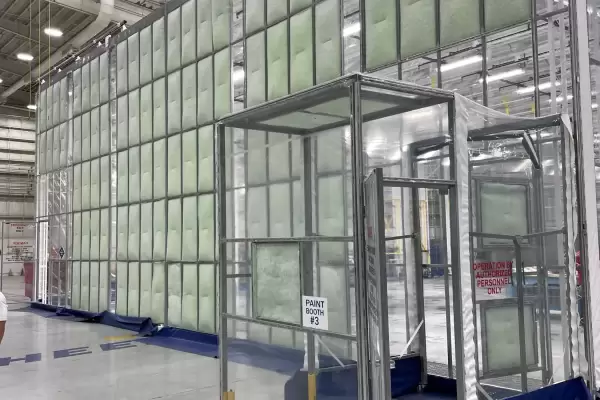
DuroRoom
Retractable Industrial Enclosures DuroRoom™ is a flexible process containment system engineer...
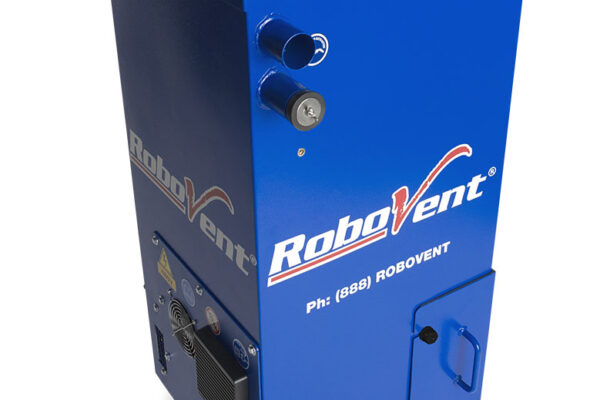
ProCube II
ProCube II Portable Weld Fume Extractor | RoboVent HI-VAC FILTRATION FOR MANUAL AND ROBOTIC WEL...
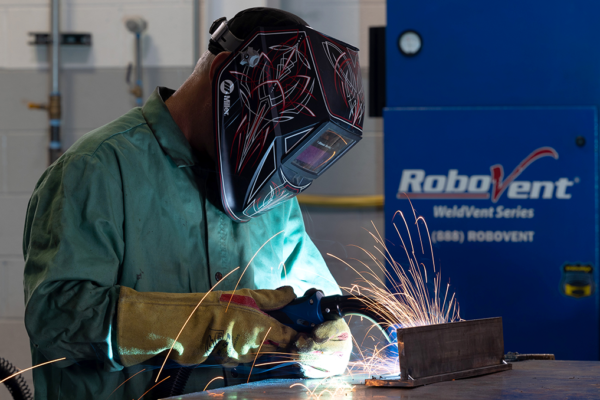
MIG Fume Guns
MIG Fume Extractor Gun XFUME™ FUME EXTRACTION WELDING GUNS Protect welders by collecting wel...
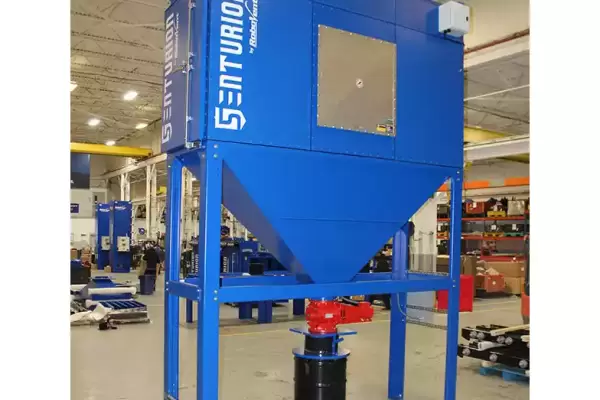
Deflagration System
Protecting your workers and facility from the risks of combustible dust, RoboVent's Deflagratio...
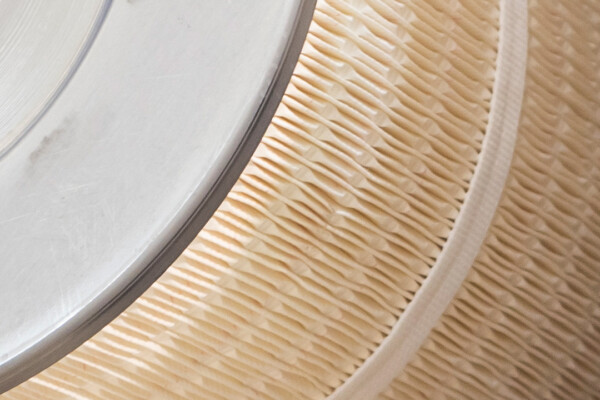
PleatLock Dust Collector Cartridge Filters
PLEATLOCK DUST COLLECTOR CARTRIDGE FILTERS Why PleatLock? 35% more media extends filter life a...
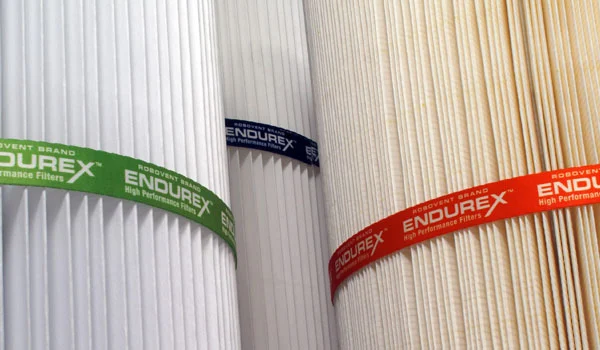
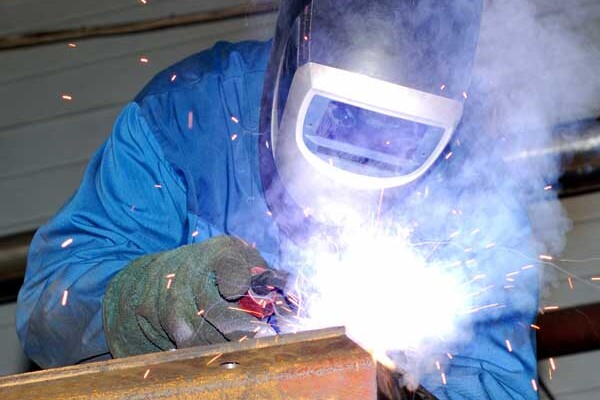
Welding Fumes Collection
EXPOSURE RISKS FOR WELDING FUMES Weld fumes are a particularly dangerous inhalation risk because...

Nanomaterials Dust Collection
WHAT ARE NANOMATERIALS? Nanomaterials are materials with a size ranging from 1 to 100 nanometers...
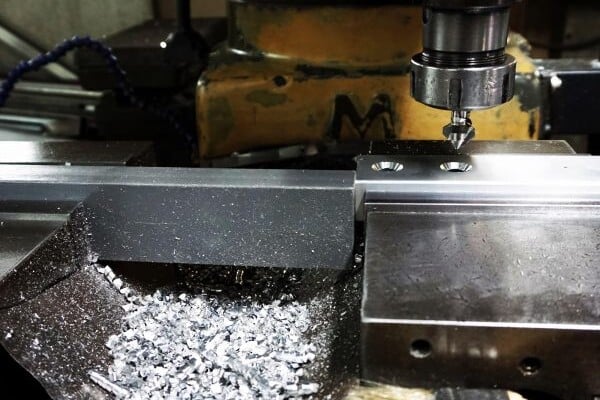
Aluminum Dust Collection System
EXPOSURE RISKS FOR ALUMINUM DUST While the most common physical problem associated with aluminum...
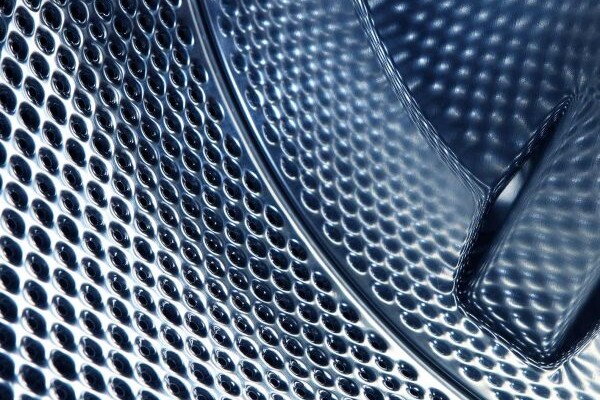
Iron and Chrome Dust Collection
EXPOSURE RISKS FOR IRON AND CHROME DUST Many industrial processes involve iron or chrome in eith...
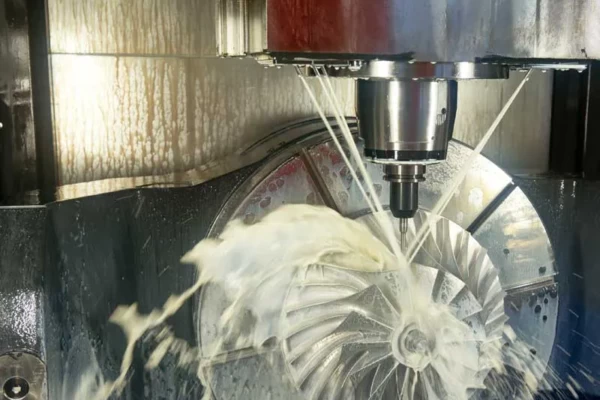
Oil Mist Collection System
EFFICIENT OIL MIST COLLECTION THROUGH SOURCE CAPTURE It is important to protect workers from th...
CONTACT US
Contact one of our industrial dust experts to gain the advantage against dust-generating processes and applications.


