


Solutions for Additive Manufacturing Dust and Fume Control
Industrial additive manufacturing introduces airborne contaminants at multiple stages of the production workflow. Effective dust and fume control requires an engineered approach that addresses emissions during printing, powder handling and post-processing rather than relying on a single point solution.
RoboVent designs dust and fume control systems to support industrial additive manufacturing environments, including:
- Post-processing and finishing operations, such as depowdering, abrasive blasting, grinding and sanding that generate fine particulate and metal dust.
- Powder handling and material transfer areas, where airborne powder can escape during loading, unloading and part cleaning.
- Open or mixed-use production spaces, where additive manufacturing operates alongside machining, fabrication or welding processes.
- Production-scale additive manufacturing facilities, where airflow management and containment are critical to prevent dust migration beyond the build area.
For many industrial additive manufacturing applications, Senturion® dust collectors provide the heavy-duty performance required to handle high particulate loads and demanding production environments as part of a broader engineered solution.
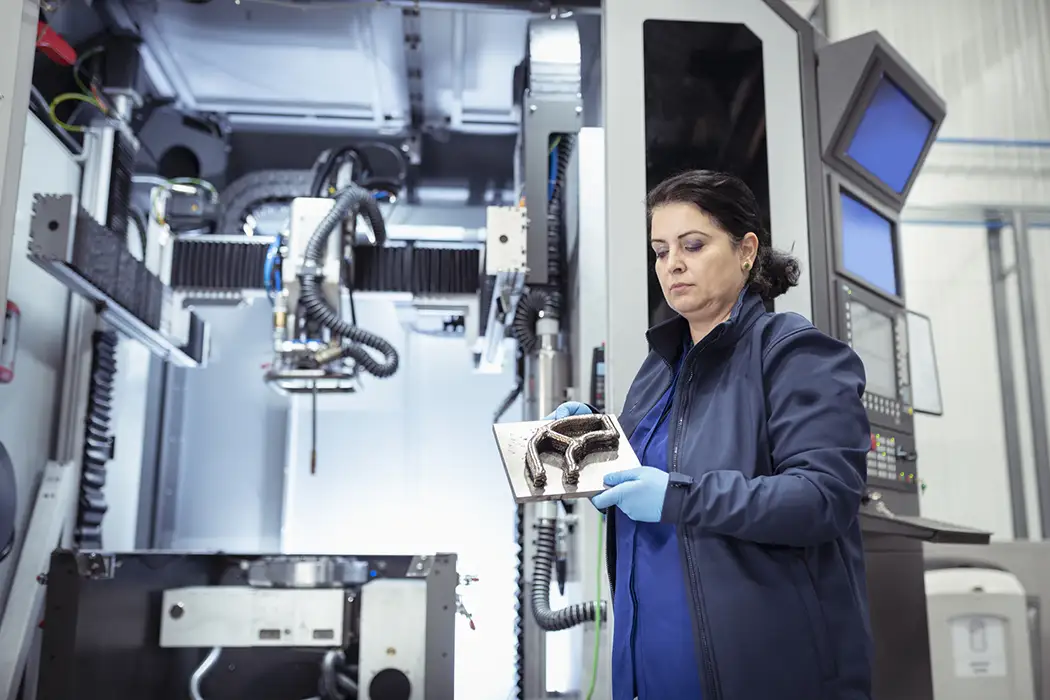
Air Quality Challenges in Industrial 3D Printing
Industrial additive manufacturing introduces a distinct set of air quality and safety challenges that differ from traditional machining or fabrication processes. These challenges often occur across multiple stages of production and become more pronounced as additive manufacturing operations scale.
Key air quality challenges include:
- Fine and ultrafine particulate generation: Metal and polymer additive manufacturing processes can generate fine particulate during printing and significantly higher concentrations during post-processing activities such as depowdering, blasting and finishing. These small particles remain airborne longer, increasing the potential for facility-wide migration and accumulation.
- Airborne powder and dust migration: Powder handling, part cleaning and material transfer can release airborne metal or polymer powder that settles on surfaces or spreads to adjacent areas. Without effective containment and airflow control, dust migration can affect cleanliness, worker exposure and downstream operations.
- Combustion and fire risk associated with fine powders and dust: Fine metal and polymer powders generated during additive manufacturing and post-processing can present combustion risk under certain conditions, particularly when powders become airborne under containment or accumulate on surfaces. Managing airflow, containment and dust control is essential to reducing unintended fire and safety hazards in industrial additive manufacturing environments.
- Intermittent but high-intensity emission events: Additive manufacturing often produces short-duration emission spikes during specific tasks such as depowdering, support removal, filter changes and cleanup. These intermittent events can be difficult to manage without an engineered ventilation and dust control strategy.
- Post-processing as a dominant emission source: While many printers incorporate internal filtration, post-processing steps frequently generate higher airborne dust loads than the printing process itself. Facilities that focus air quality control only at the printer often underestimate exposure and safety risks elsewhere in the workflow.
- Open and mixed-use production environments: Many industrial additive manufacturing operations are located in large, open facilities alongside machining, fabrication or welding processes. In these environments, uncontrolled airflow can allow dust and powder to migrate beyond intended zones, increasing both air quality and safety concerns.
Health and Safety Considerations for Industrial Additive Manufacturing
 Airborne dust, fumes and fine powders generated during industrial additive manufacturing can pose health and safety risks if not properly controlled. While many industrial 3D printers operate within enclosed build chambers, exposure risks often increase during powder handling, post-processing and cleanup activities that occur outside the printer enclosure. Exposure concerns are not limited to the printing process itself and can affect workers involved in downstream operations as well as those working nearby.
Key health considerations include:
- Fine and ultrafine metal particulate: Metal additive manufacturing processes can generate fine metal powders and metal oxide particulate. Short-term exposure may cause respiratory irritation or flu-like symptoms depending on the material. Long-term or repeated exposure to certain metal particulates may contribute to chronic respiratory conditions or other systemic health effects associated with specific alloy constituents.
- Polymer powders and fine plastic particulate: Polymer-based additive manufacturing can produce fine plastic dust and ultrafine particulate. Short-term exposure may result in irritation of the eyes, nose or throat. Long-term exposure to airborne polymer particulate may contribute to persistent respiratory irritation or reduced lung function depending on material composition and exposure duration.
- Binder, resin and solvent emissions: Additive manufacturing processes that use binders, resins or solvents can release volatile organic compounds and other chemical emissions. Short-term exposure may cause headaches, dizziness or irritation of the respiratory tract. Repeated or long-term exposure to certain chemicals may increase the risk of sensitization or other chronic health effects.
- Mixed particulate and chemical exposures: In industrial additive manufacturing environments that combine metal powders, polymer materials and chemical binders, workers may be exposed to a mixture of airborne contaminants. Short-term exposure to mixed emissions can intensify irritation or discomfort. Long-term cumulative exposure may increase overall health risk compared to exposure to a single contaminant type.
Regulatory Compliance for Additive Manufacturing Emissions
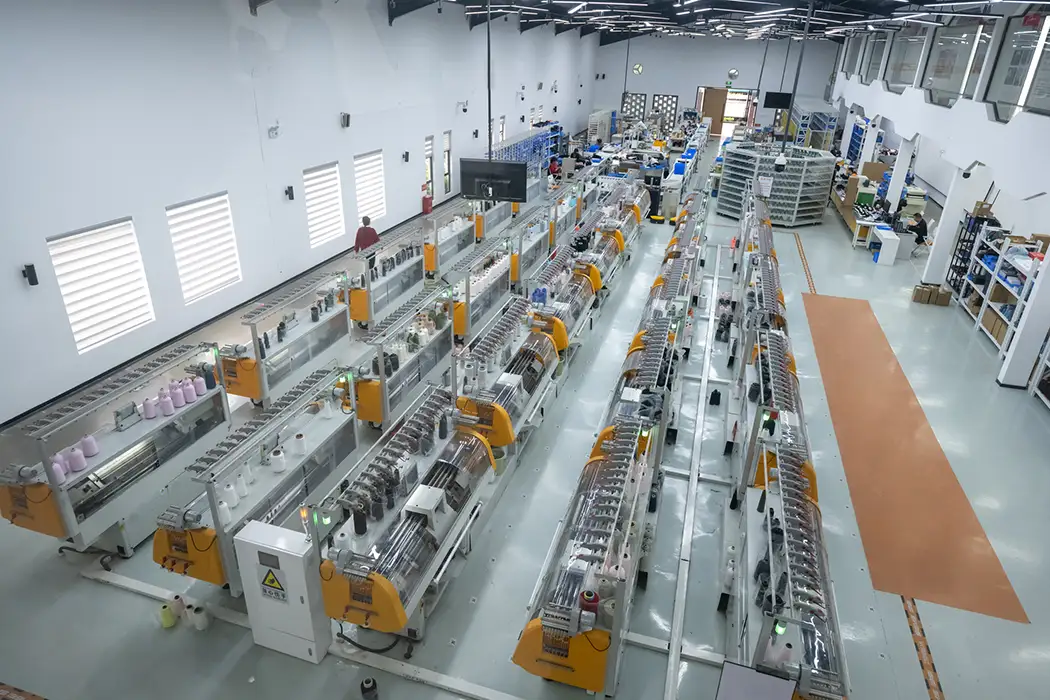 Industrial additive manufacturing operations are subject to existing occupational health, fire safety and environmental regulations that apply to airborne particulate, chemical emissions and combustible dust. While there is no single regulation written specifically for additive manufacturing, facilities must address compliance across multiple regulatory frameworks based on the materials and processes in use.
Key regulatory considerations include:
- Worker exposure to airborne contaminants: Employers are responsible for controlling worker exposure to airborne dust, fumes and chemical emissions generated during additive manufacturing. Applicable requirements are defined under U.S. Occupational Safety and Health (OSHA) standards for air contaminants, hazard communication and respiratory protection. OSHA permissible exposure limits and control expectations vary depending on the specific metals, polymers or chemical binders used.
- Combustible dust and fire protection requirements: Fine metal and polymer powders used in additive manufacturing may fall under combustible dust safety considerations. Fire prevention and risk management guidance is commonly informed by with National Fire Protection Association (NFPA) standards including NFPA 660, which addresses combustible dust behavior, dust hazard analysis and system design considerations intended to reduce fire and explosion risk. Dust collection systems for 3D printing dust may also have to comply with additional requirements under NFPA 68 and NFPA 69.
- Chemical emissions and environmental compliance: Additive manufacturing processes that generate volatile organic compounds or other regulated emissions may be subject to federal, state or local environmental requirements. Facilities must consider obligations under U.S. Environmental Protection Agency Clean Air Act frameworks, including permitting, reporting and emissions control where applicable.
- Evolving standards and best practices: As industrial additive manufacturing continues to mature, consensus standards and best-practice guidance specific to AM materials and workflows are emerging. Many facilities reference industry standards and internal risk assessments to supplement regulatory requirements and support consistent compliance as operations scale.
Considerations in Dust and Emission Control for Additive Manufacturing
Effective dust and fume control in industrial additive manufacturing environments requires a systems-level design approach. Because emissions are generated across multiple processes and materials, control strategies must be integrated into the facility rather than applied as isolated fixes.
Key design considerations include:
- Source capture combined with facility-level airflow control: Wherever possible, airborne dust and emissions should be captured close to the point of generation. In industrial additive manufacturing environments, this is often supplemented by facility-level airflow planning to manage residual particulate and prevent migration beyond designated work zones.
- Containment and zoning strategies: Additive manufacturing operations benefit from clearly defined zones for printing, powder handling and post-processing. Ventilation design should support pressure relationships that limit the movement of airborne particulate between additive manufacturing areas and adjacent operations.
- Filtration matched to material characteristics: Fine metal powders, polymer dusts and process-related emissions differ significantly in particle size and behavior. Dust and fume control systems must be designed with filtration strategies appropriate to the materials in use and capable of maintaining performance as conditions vary.
- Design for intermittent peak conditions: Additive manufacturing emissions are often generated during short-duration tasks rather than continuously. Systems should be engineered to handle peak emission events associated with depowdering, finishing and maintenance rather than average operating conditions.
- Integration with existing manufacturing infrastructure: In many facilities, additive manufacturing operates alongside machining, fabrication or finishing processes. Dust and fume control design should account for interactions between processes and support coordinated air quality management across the production environment.
- Maintainability and operational continuity: Long-term effectiveness depends on system reliability and ease of maintenance. Access for filter changes, predictable performance and minimal disruption to production workflows are critical considerations in industrial additive manufacturing environments.
- Flexibility for material and process change: Industrial additive manufacturing programs frequently evolve to include new materials or processes. Dust and fume control systems should be designed with sufficient flexibility to accommodate change without requiring extensive redesign.
RECOMMENDED SOLUTIONS
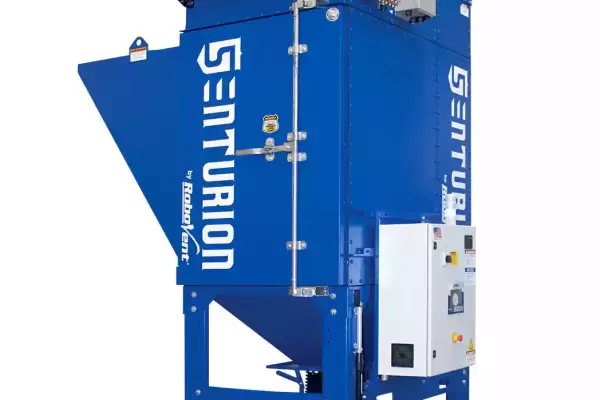
Senturion
Senturion Modular Dust Collector ONE TOUGH DUST COLLECTOR. COUNTLESS APPLICATIONS. Senturion i...
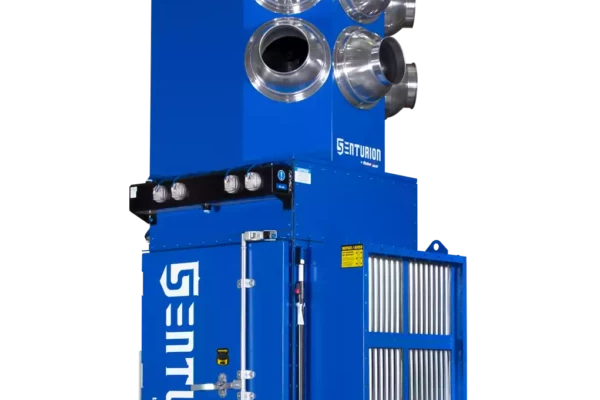
Vortex™ Series
Vortex Ductless Ambient Air Filtration System UNLEASH THE POWER OF THE VORTEX FOR CLEANER, HEAL...
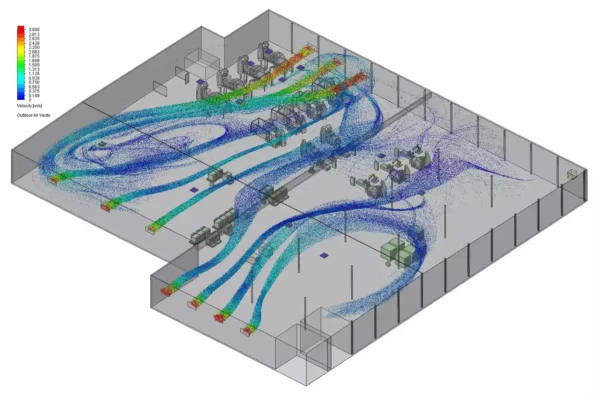
VentMapping® Engineering
VENTMAPPING® ENGINEERING A SOLUTION FOR EVERY APPLICATION In designing ventilation systems, a...
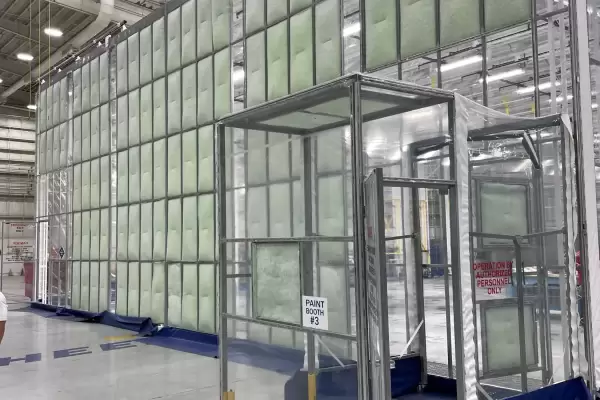
DuroRoom
Retractable Industrial Enclosures DuroRoom™ is a flexible process containment system engineer...
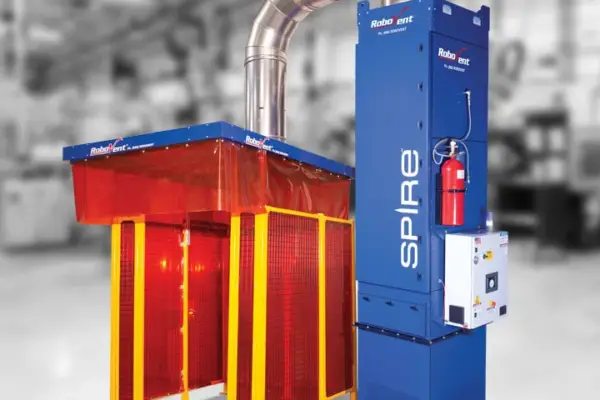
Industrial Hoods and Enclosures
Industrial Hoods and Enclosures Manufacturing Process Containment and Source Capture Effective...
TOTAL FILTRATION PARTNER
RoboVent is your full turnkey resource for clean air in industrial environments. From facility testing and engineering, to installing equipment, providing replacement filters and preventive maintenance, RoboVent is ready to manage the whole process.



CONTACT US
Contact one of our industrial dust experts to gain the advantage against dust-generating processes and applications.


