



SOLUTIONS FOR CARBON FIBER AND COMPOSITE DUST COLLECTION
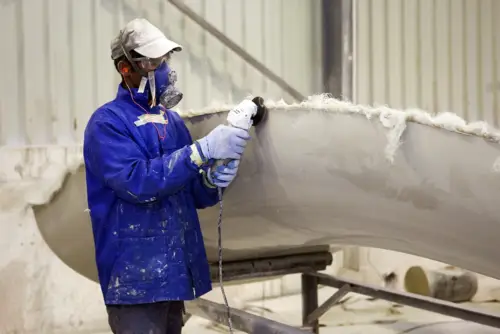 Controlling carbon fiber dust, fiberglass dust, and other composite particulate requires a purpose-engineered solution — the right collector, the right filtration, and a system designed for the specific hazards of composite machining environments.
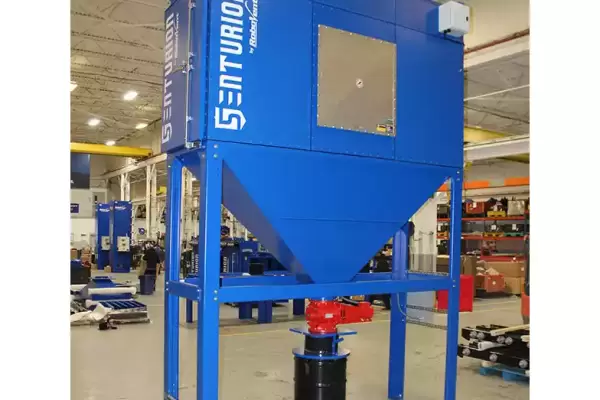
The Senturion modular dust collector is well-suited to composite dust collection applications. Powerful, flexible, and configurable for a wide range of process types and facility layouts, the Senturion can be specified with the high-efficiency filtration, anti-static filter media, and grounded metallic components required for CFRP and other advanced composite dusts.
RoboVent engineers can develop a complete composite dust control solution including:
- Hood, ductwork, and system design optimized for composite machining processes
- VentMapping® facility airflow analysis and engineering services
- Filter selection for composite dust characteristics, including anti-static and PTFE-coated media
- Indoor air quality and occupational exposure testing
- Regulatory compliance support for OSHA PEL requirements and NFPA 660 Dust Hazard Analysis
Contact RoboVent to discuss your composite dust collection requirements.
 EXPOSURE RISKS FOR CARBON FIBER DUST, CFRP AND ADVANCED COMPOSITES
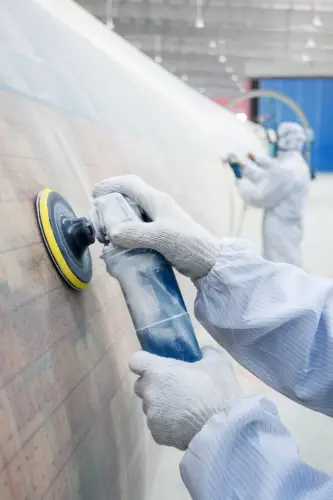 Machining, finishing and repair of composite materials (cutting, routing, grinding, and sanding of CFRP, fiberglass and other advanced composites) generate airborne carbon fiber dust, glass fiber dust and resin dust that pose real health risks. The nature of those risks depends on which composite components workers are exposed to.
- Epoxy and other resin systems are the most clearly documented hazard. Epoxy products are potent skin sensitizers; skin contact frequently gives rise to allergic contact dermatitis, typically presenting on the hands, forearms, and face. Critically, sensitization is cumulative and irreversible; once a worker develops an epoxy allergy, even trace exposures can trigger reactions, and the only option is removal from contact. Once sensitized, even dust from sanding or grinding cured epoxy composite parts can trigger an asthma attack. Resin dust also carries eye and upper respiratory irritation risks, and some epoxy constituents — particularly epichlorohydrin — carry carcinogenicity classifications.
- Reinforcing fibers (carbon fiber, graphite, fiberglass and aramid) primarily cause mechanical irritation of the skin and upper respiratory tract. Skin rashes from carbon fiber dust are common and can be more severe than reactions to glass fiber. Respiratory effects from fiber exposure are generally irritant in nature; long-term exposure to any dust can aggravate existing respiratory or pulmonary conditions. The long-term pulmonary risks of carbon fiber dust specifically are still under investigation; human epidemiological data is limited, and current evidence does not yet confirm the development of chronic lung disease in exposed workers at typical occupational concentrations. Precautionary controls are nonetheless warranted.
- Carbon fiber dust also poses a distinctive electrical hazard not shared by other composite dusts. Carbon fiber is electrically conductive. Airborne carbon fiber particles can infiltrate electrical enclosures, cause short circuits, and damage or destroy sensitive equipment — a serious operational risk in facilities running precision manufacturing systems, CNC equipment, or avionics. This hazard is independent of any health risk and requires its own control strategy.
 REGULATIONS FOR CARBON FIBER DUST AND COMPOSITE MATERIALS
There are currently no substance-specific OSHA health standards for composite materials. Instead, most composite dusts, including carbon fiber dust and fiberglass, fall under OSHA's general particulates regulations, with exposure governed by permissible exposure limits (PELs) established under 29 CFR 1910, Subpart Z.
OSHA's PEL for particulates not otherwise regulated (PNOR), the category covering most composite dusts, is 15 mg/m³ (total dust) and 5 mg/m³ (respirable fraction). Carbon fiber dust, fiberglass and aramid fiber dust all fall under this framework in the absence of substance-specific standards. However, the legally enforceable PEL is widely regarded as insufficiently protective by current occupational health standards. OSHA's own technical manual notes that composite dusts should probably be controlled at levels below the PNOR PEL.
- The American Conference of Governmental Industrial Hygienists (ACGIH) sets more protective recommended limits: its threshold limit value (TLV-TWA) for particles not otherwise classified is 3 mg/m³ (respirable fraction) and 10 mg/m³ (inhalable fraction) — significantly lower than the OSHA PEL. While TLVs are not legally enforceable, they represent current best practice in industrial hygiene and are the appropriate benchmark for worker protection programs.
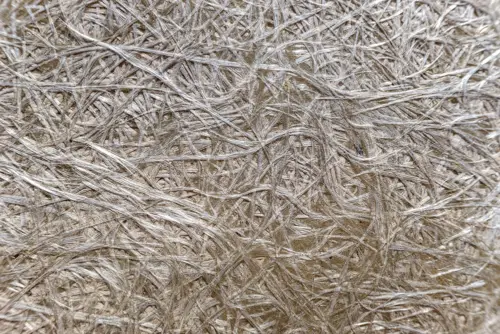
- For fiberglass specifically, ACGIH recommends a TLV-TWA of 1 fiber/cm³for respirable glass fibers, and NIOSH recommends 3 fibers/cm³ for fibrous glass dust. Neither is legally enforceable (OSHA proposed a fiber-count standard for glass wool in 1989 but withdrew it before finalization), but both inform best-practice exposure control programs. Facilities should consult current ACGIH TLV documentation for applicable limits by material.
- Beyond exposure limits, facilities that machine, finish, or repair composite materials must also address combustible and conductive dust hazards under NFPA 660, the consolidated standard for combustible dust that took effect in December 2024. While carbon fiber and fiberglass themselves have low combustibility, resin dusts (particularly epoxy and polyester) can present deflagration risks under the right conditions. A Dust Hazard Analysis (DHA) is required for facilities where combustible dust may be present and is the starting point for determining applicable NFPA requirements for housekeeping, system design, and fire suppression.
TYPES OF ADVANCED COMPOSITE MATERIALS
Advanced composites are classified primarily by their matrix material — the binding phase that surrounds and holds the reinforcing fibers or particles. Within each matrix category, the reinforcing material determines the composite's final mechanical properties and, critically for dust control purposes, the specific hazard profile of the dust it generates.
Polymer Matrix Composites (PMCs)
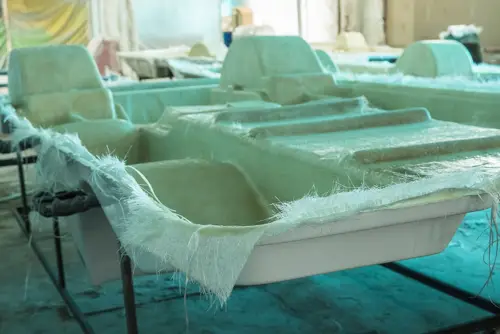 The dominant category in aerospace, automotive, wind energy, marine, and sporting goods manufacturing. A polymer resin serves as the matrix, with structural fibers as reinforcement. PMCs are the most common source of occupational composite dust exposure.
Key PMC types by reinforcing fiber:
- Carbon Fiber Reinforced Polymer (CFRP)— Also referred to as carbon fiber reinforced plastic or graphite fiber reinforced polymer. The highest-performance PMC, used extensively in aerospace primary structures, automotive lightweighting, and wind turbine blades. Generates electrically conductive dust during machining. Brand names: Toray, Hexcel, Solvay.
- Glass Fiber Reinforced Polymer (GFRP)— Also called fiberglass reinforced plastic (FRP) or glass reinforced plastic (GRP). The most widely used composite by volume, common in marine, construction, wind energy, and automotive applications. Less expensive than CFRP; generates mechanical irritant dust.
- Aramid Fiber Reinforced Polymer (AFRP)— Aramid fibers are synthetic, heat-resistant, high-strength fibers. Common brand names include Kevlar (DuPont) and Twaron (Teijin). Used in ballistic protection, aerospace interior components, and sporting goods. Generates respirable fibrils when machined.
- Boron Fiber Reinforced Polymer (BFRP)— High stiffness and strength; used in military aircraft, aerospace structural components, and some sporting goods. Less common than CFRP due to higher cost.
- Basalt Fiber Reinforced Polymer (BaFRP)— An emerging alternative to fiberglass, made from volcanic basalt rock. Growing use in construction, automotive, and marine applications.
Common PMC resin systems (the matrix component, and a primary dust hazard):
- Epoxy resin— The most prevalent matrix in advanced composites; the primary sensitization and dermatitis risk in composite dust
- Polyester resin— Common in marine and construction composites; lower cost than epoxy
- Vinyl ester resin— Used where improved chemical and moisture resistance is required
- Phenolic resin— Used in aerospace and defense applications where fire resistance is critical
- Thermoplastic matrices(PEEK, PEKK, nylon/PA) — Growing use in aerospace and automotive; different dust characteristics than thermoset resins
Metal Matrix Composites (MMCs)
A metal — typically aluminum, titanium, or magnesium — serves as the matrix, reinforced with ceramic particles or fibers. Used in aerospace, defense, and high-performance automotive applications where elevated temperature performance is required. MMC machining generates metallic and ceramic dusts with distinct hazard profiles from PMC dust; applicable PELs and controls differ accordingly.
- Aluminum Matrix Composite (AMC)— Aluminum reinforced with silicon carbide (SiC) or alumina particles; used in aerospace structures and brake systems
- Titanium Matrix Composite (TMC)— High-temperature aerospace and defense applications
- Magnesium Matrix Composite— Lightweight aerospace and electronics applications
Ceramic Matrix Composites (CMCs)
Ceramic fibers (typically silicon carbide (SiC) or alumina) embedded in a ceramic matrix. Used almost exclusively in extreme-temperature applications: jet engine hot sections, gas turbine components, hypersonic vehicle structures, and industrial furnace components. The fastest-growing composite category by market share. CMC dust presents distinct respiratory hazard considerations and requires specific control strategies.
- Silicon Carbide/Silicon Carbide (SiC/SiC)— Dominant CMC in aerospace propulsion
- Oxide/Oxide CMC— Used in lower-temperature high-corrosion environments
DUST COLLECTION SYSTEM DESIGN FOR CARBON FIBER AND COMPOSITE MATERIALS
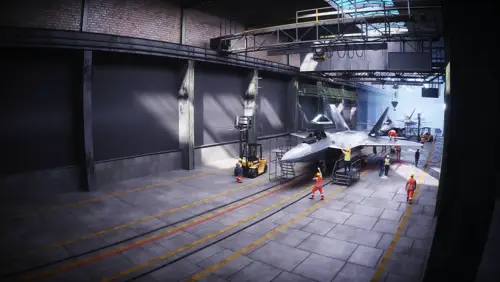 Composite dust collection presents challenges not found in most industrial dust applications. Three factors drive the design requirements:
- Electrical conductivity. Carbon fiber dust is electrically conductive. Airborne CFRP particles can infiltrate electrical enclosures, short circuit equipment, and damage precision manufacturing systems and avionics. This makes carbon fiber dust collection a facility protection issue, not just a health issue. Every component of the collection system — ductwork, collector housing, filter media, filter cages, flexible connections — must be metallic, bonded, and grounded to earth. Non-conductive ductwork such as PVC is not appropriate. Learn more about grounding and bonding for dust collection systems.
- Fine, respirable particulate. Composite machining generates dust across a wide particle size range, including submicron fractions from resin systems. High-efficiency cartridge air filters (MERV15 or higher) are required to protect worker health and prevent fine dust from recirculating into the facility. Anti-static filter media (carbon-impregnated or conductive) are required for CFRP dust to safely dissipate charge within the collector. PTFE-coated or nanofiber media improve submicron capture and resist the moisture and chemical content present in resin-bearing dust.
- Sensitive manufacturing environments. Composite fabrication often occurs alongside precision equipment, finished parts and clean manufacturing atmospheres. Source capture (collecting dust at the point of generation rather than relying on ambient filtration) is strongly preferred. It controls worker exposure at the breathing zone, limits conductive dust migration, and protects the manufacturing environment. Common source capture configurations include integrated machine enclosures for CNC operations, close-capture hoods for manual grinding and sanding, downdraft tables for finishing work and on-tool vacuum extraction.
Before any system is designed, facilities should conduct a Dust Hazard Analysis (DHA) under NFPA 660 to identify combustibility risks — primarily from resin dusts — and establish applicable engineering requirements.
For a detailed overview of dust collection system design principles, see How to Design a Dust Collection System. For facility-level airflow analysis and custom composite dust control design, ask about RoboVent's dust collection system design and engineering services.
MORE DUST TYPES
Composite Dust Control Collectors
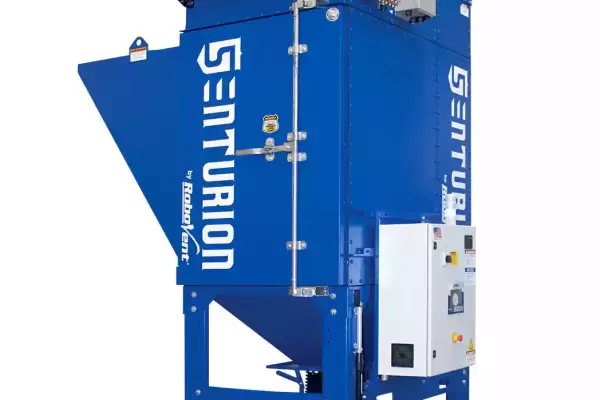
Senturion
Senturion Modular Dust Collector ONE TOUGH DUST COLLECTOR. COUNTLESS APPLICATIONS. Senturion i...
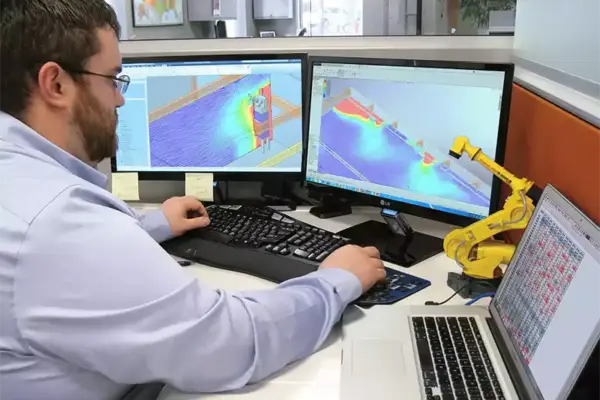
VentMapping® Engineering Services
VentMapping® Engineering Services Engineered Solutions for Complex Dust, Fume & Ventilatio...
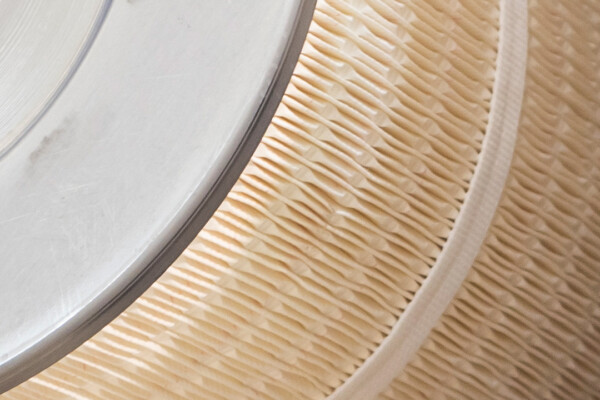
PleatLock Dust Collector Cartridge Filters
PLEATLOCK DUST COLLECTOR CARTRIDGE FILTERS Why PleatLock? 35% more media extends filter life a...
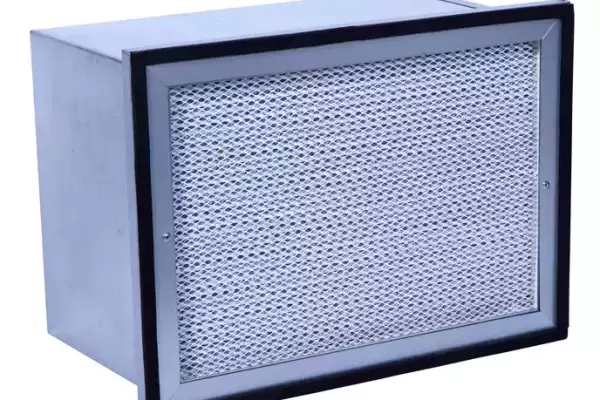
HEPA Filters
HEPA Filters Designed for high flow applications that require HEPA filtration at the lowest pos...
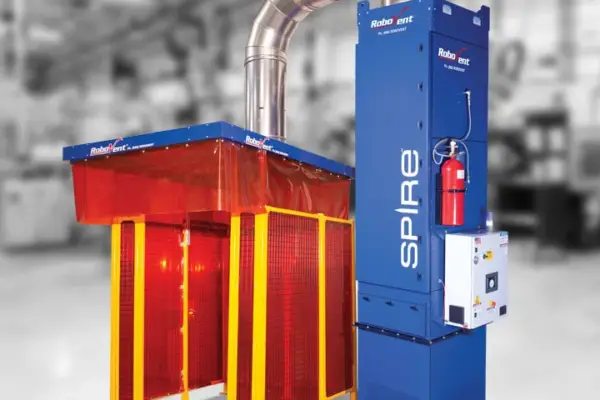
Industrial Hoods and Enclosures
Industrial Hoods and Enclosures Manufacturing Process Containment and Source Capture Effective...
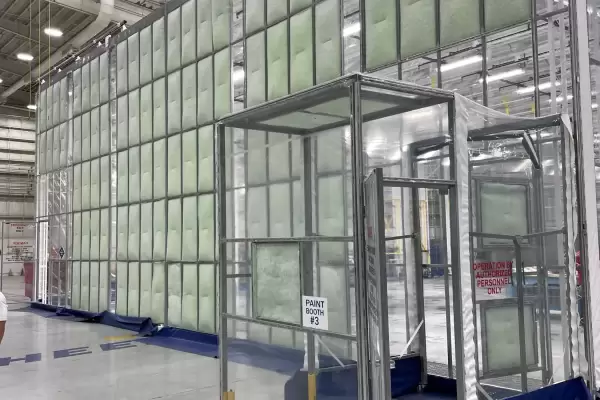
DuroRoom
Retractable Industrial Enclosures DuroRoom™ is a flexible process containment system engineer...
Composite Dust Control Filters
Clean Air Technology Services
Deflagration System
Protecting your workers and facility from the risks of combustible dust, RoboVent's Deflagratio...
CONTACT US
Contact one of our industrial dust experts to gain the advantage against dust-generating processes and applications.


