


Occupational Exposure Risks in Food Processors and Bakeries
Food processing and bakery environments are defined by cleanliness, where sanitized surfaces, tightly controlled processes and strict food safety standards are part of everyday operations. Yet even in these well-maintained spaces, exposure risks can exist in the air that are not immediately visible.
Many ingredients used every day—flour, sugar, starches, spices and powdered additives—can become airborne during routine operations. While these materials are safe to ingest, inhaling them at elevated concentrations over time presents a very different type of risk. Fine dusts can linger in the air, accumulate in the respiratory zone and expose workers in ways that are not always visible from the surface level.
Understanding where and how these exposures occur is the first step toward protecting worker health and maintaining a safe, compliant facility.
Learn more:
Dust Collection for Food Processing
Dust Collection for Bakeries
Understanding Occupational Exposure in Food Processing
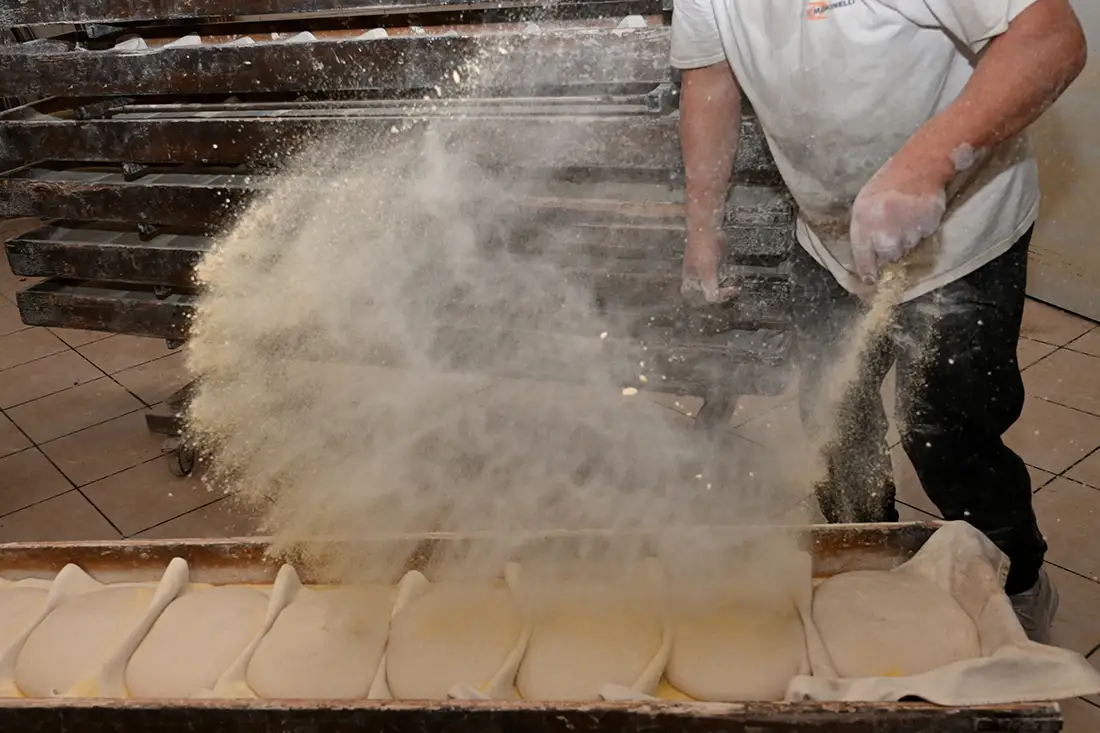 Occupational exposure in food manufacturing refers to the inhalation of airborne particles generated during production. These exposures often occur during normal, everyday tasks, especially when dry ingredients are handled, transferred or processed.
What makes these environments challenging is that exposure is not always obvious. A facility may appear clean and well-maintained while still having elevated airborne dust levels. Fine particles, particularly respirable dust, can remain suspended in the air long after visible dust has settled.
Exposure risks can vary widely depending on:
- The type of ingredient being handled
- The process used (manual vs. automated)
- Airflow patterns within the facility
- The duration and frequency of worker interaction
Short-term exposure spikes are also common. Tasks like dumping a bag of flour or adding powdered ingredients to a mixer can release concentrated bursts of dust directly into a worker’s breathing zone—even if overall facility conditions seem well controlled.
These exposures matter not only for regulatory awareness, but for worker health, comfort, retention and the overall effectiveness of Environmental Health & Safety (EHS) programs.
Exposure Risks from Airborne Food Dusts
When ingredients become airborne, their behavior can vary significantly. Some particles disperse quickly and linger in the air, while others settle more rapidly but still pose exposure risks during handling. Each brings its own health considerations, making it all the more important to understand how different materials behave in order to manage exposure effectively.
Flour, Grain and Cereal Dust

Flour dust is one of the most well-documented exposure risks in bakeries and food production. Repeated inhalation can lead to respiratory conditions such as occupational asthma, commonly referred to as “baker’s lung.”
Even at relatively low concentrations, prolonged exposure can sensitize workers over time, leading to chronic symptoms such as coughing, wheezing and shortness of breath. Because flour particles are often fine and easily aerosolized, they can remain airborne longer than expected.
Sugars and Sweeteners
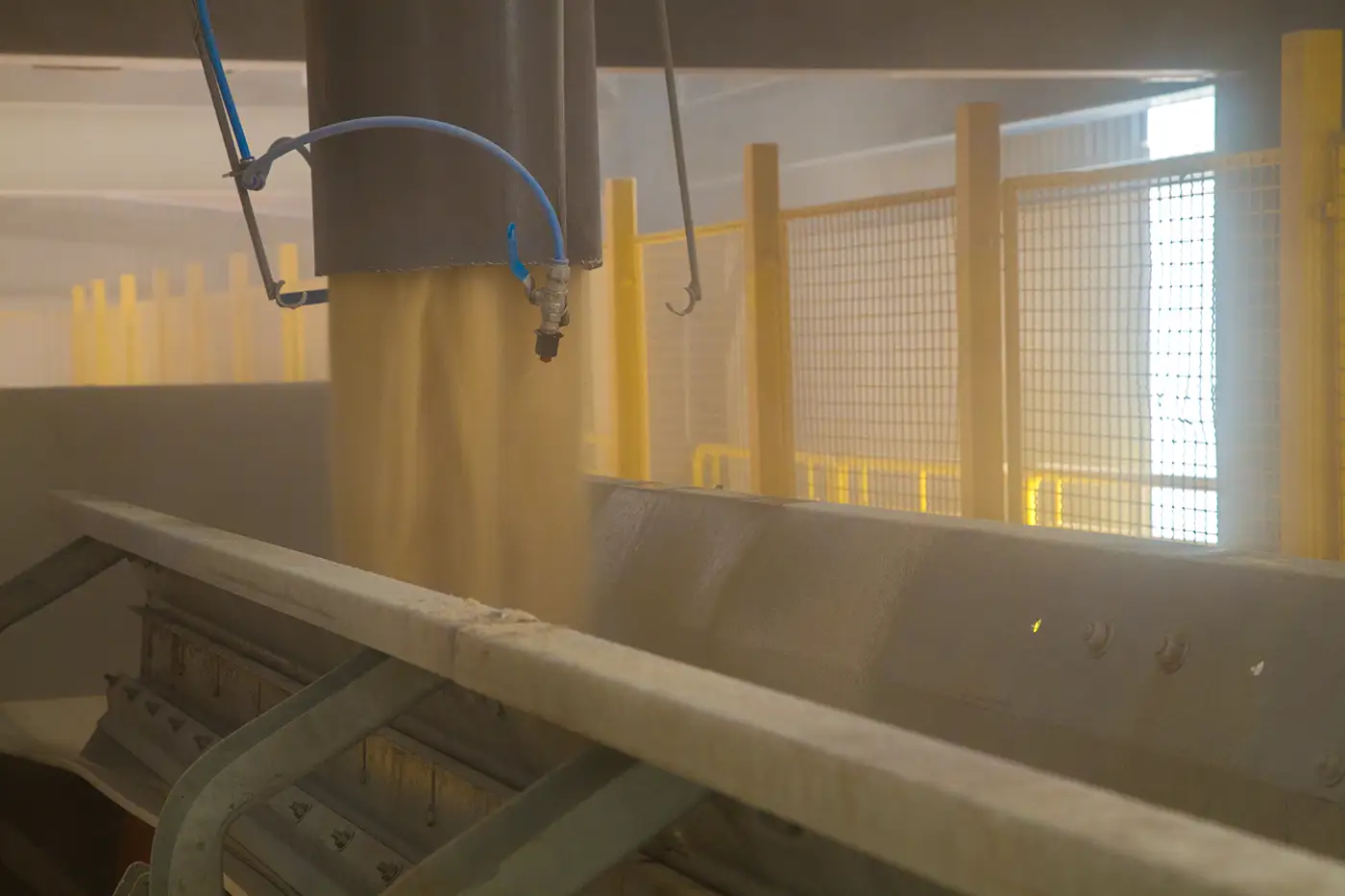
Sugar and sweetener dusts are often perceived as low-risk due to their food-safe nature. However, when handled in powdered form, they can become airborne and contribute to inhalable dust exposure.
While typically less associated with sensitization than flour, high concentrations can still irritate the respiratory system, particularly during tasks that generate dust clouds such as dumping or conveying.
Starches, Powders and Dry Bases
Ingredients like corn starch, milk powder and other dry bases are frequently used in food processing and can create fine airborne particulates during handling.
These materials may contribute to both inhalable and respirable dust exposure, depending on particle size. Their ability to disperse quickly into the air makes them a common source of short-term exposure spikes during batching and mixing operations.
Spices, Flavoring and Additives
Spices and flavoring agents present a unique exposure challenge. Many are highly potent in small quantities and can cause irritation or sensitization when inhaled.
Fine spice particles can affect the eyes, skin and respiratory system, and certain additives may carry additional health considerations depending on their composition. Because these materials are often handled in smaller batches, exposure can be localized but intense.
Nuts, Seeds and Allergen-Containing Dusts
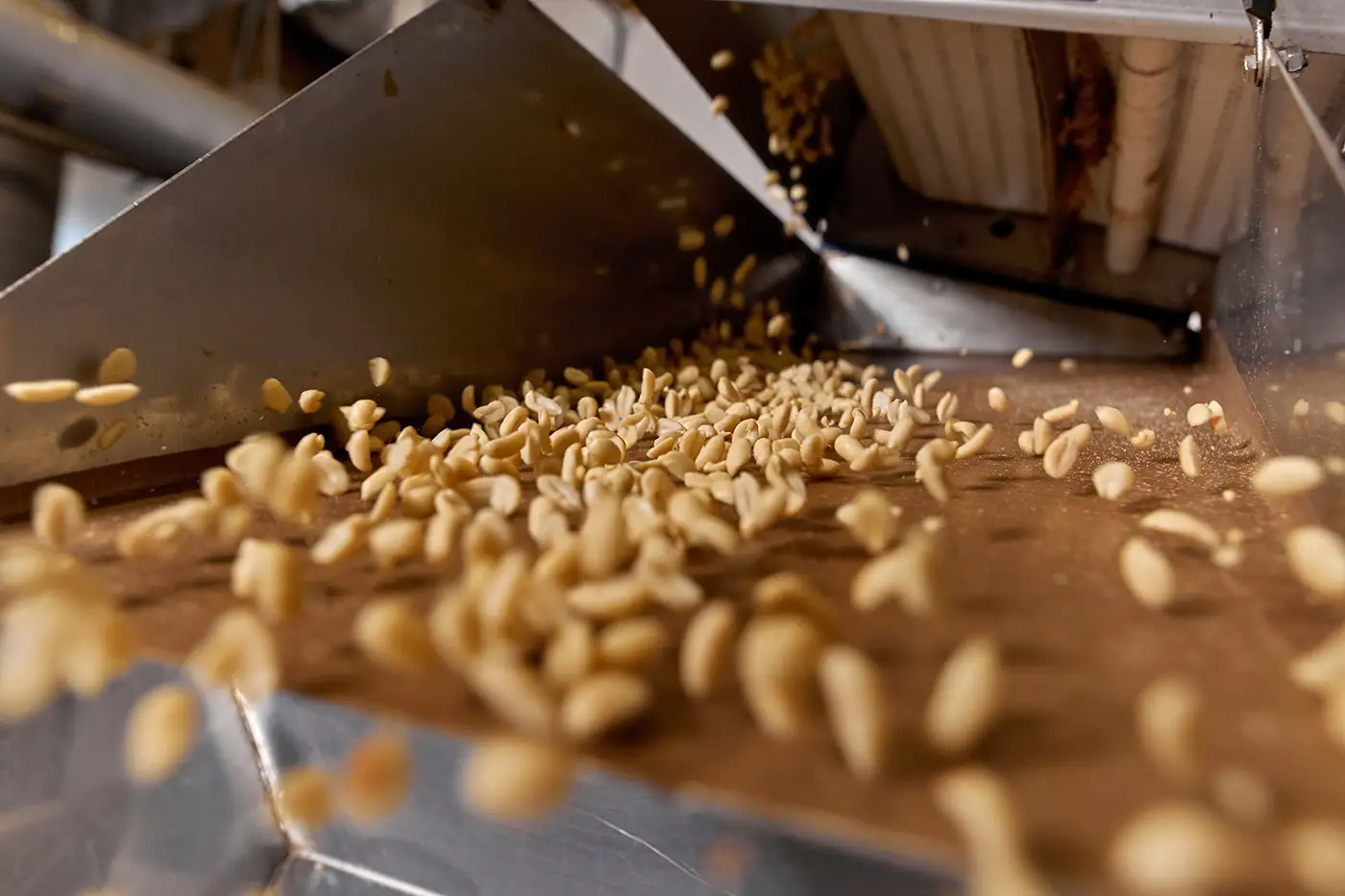 Dust generated from nuts, seeds, wheat and other allergen-containing ingredients can introduce additional risks, particularly for workers with sensitivities.
Airborne allergen exposure may trigger reactions even at low levels, making control and containment especially important in facilities that handle these materials.
Where Food Dust Exposure Occurs
Exposure risks in food processing are closely tied to the flow of production. Even in controlled environments, specific tasks within that process consistently generate airborne dust, often creating localized and short-duration exposure events.
Bag Dumping and Manual Ingredient Addition
Opening and emptying bags of dry ingredients is one of the most common sources of exposure. Dust can be released in concentrated bursts directly into the worker’s breathing zone.
Weighing, Batching and Sifting
Handling ingredients in smaller quantities—especially when pouring, transferring or sifting—can create repeated, short-duration exposure events throughout a shift.
Mixing and Blending
Adding dry materials to mixers or blenders can release dust as ingredients are introduced and agitated. The initial loading phase is often the highest-risk moment.
Milling, Grinding and Size Reduction
Processes that break down materials into finer particles inherently increase the potential for airborne dust. The smaller the particle, the more likely it is to remain suspended in the air.
Breading, Coating and Dry Mix Operations
Applying coatings or working with dry mixes can generate continuous dust exposure, particularly in open or semi-enclosed systems.
Pneumatic Conveying and Bulk Transfer
While enclosed systems reduce visible dust, leaks, connection points or improper airflow can still lead to airborne exposure in surrounding areas.
Packaging, Filling and Sealing
Filling containers with powdered products can release dust during transfer, especially if systems are not fully sealed or properly ventilated.
Equipment Cleanout and Dry Housekeeping
Cleaning activities—such as brushing, sweeping or using compressed air—can reintroduce settled dust back into the air, often creating some of the highest short-term exposure levels.
Protecting Workers from Occupational Exposure in Food Manufacturing
Managing occupational exposure in food processing environments starts with recognizing that clean surfaces do not always reflect clean air.
Understanding where dust is generated, how it behaves and when workers are most exposed allows facilities to take a more targeted approach to risk reduction. This may include improving containment at the source, optimizing airflow or implementing effective dust collection strategies designed specifically for food production environments.
For more information on solutions tailored to your industry, explore our food processing and bakery pages.
Get a Clearer Picture of Exposure in Your Facility
If you’re working to better understand or reduce exposure risks in your facility, talk to an expert about practical next steps for protecting your workforce.


