


Hexavalent Chromium Exposure: Welding Stainless Steel Dangers and How to Protect Workers
Hexavalent chromium (hex chrome) is one of the most serious airborne hazards in many metalworking and manufacturing environments. Generated by processes such as welding, thermal cutting and other high-heat applications involving chromium-containing metals, this toxic contaminant can put workers at risk if fumes are not properly controlled.
Protecting worker health starts with understanding what workers are breathing. RoboVent helps manufacturers identify and reduce exposure risks from airborne dust, fumes, smoke and other industrial contaminants that can affect employee health, productivity or operations, including stainless steel weld fumes and other chromium-containing fumes. For operations where hexavalent chromium may be present, RoboVent can help evaluate fume sources, improve capture and filtration strategies, and support engineering controls designed to reduce worker exposure.
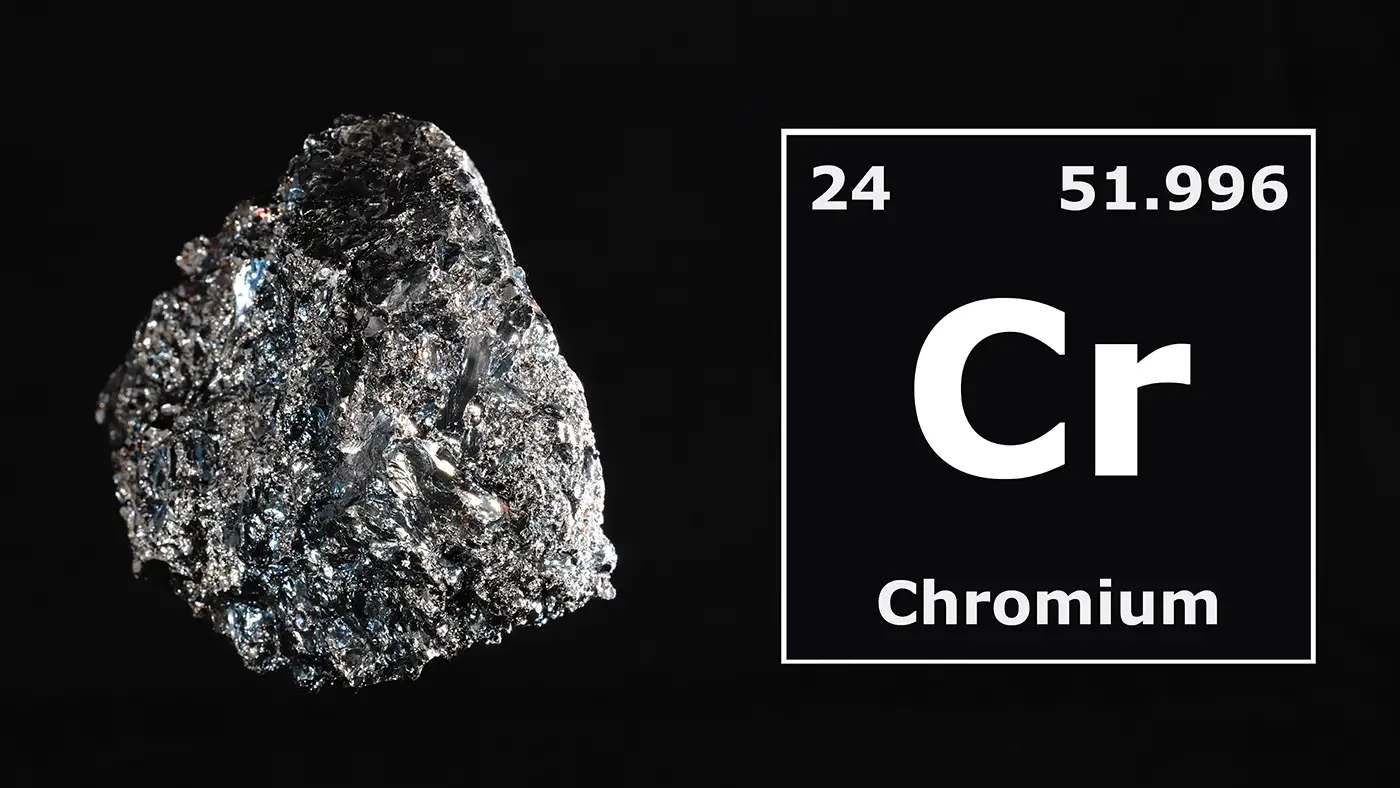
What Is Hexavalent Chromium?
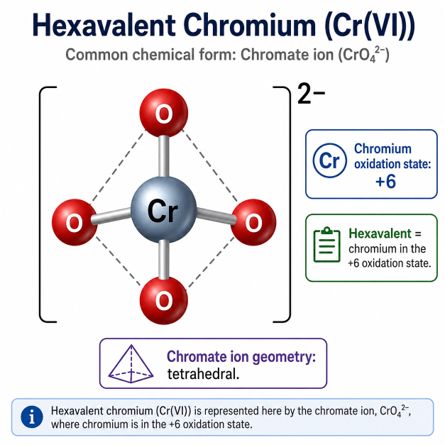 Hexavalent chromium—also known as hex chrome or Cr(VI)—is a highly toxic substance commonly released when welding stainless steel and other chromium-containing metals.
Hexavalent chromium, often written as Cr(VI) or chromium-6, is not a single chemical compound. It refers to chromium in its +6 oxidation state, meaning the chromium atom has lost six electrons and can readily react with other substances.
In industrial environments, hexavalent chromium is most often found as part of chromium-containing compounds, such as chromate and dichromate compounds. Common chemical forms include:
Chromate ion: CrO₄²⁻
Dichromate ion: Cr₂O₇²⁻
Chromium trioxide: CrO₃
How Hexavalent Chromium Is Formed
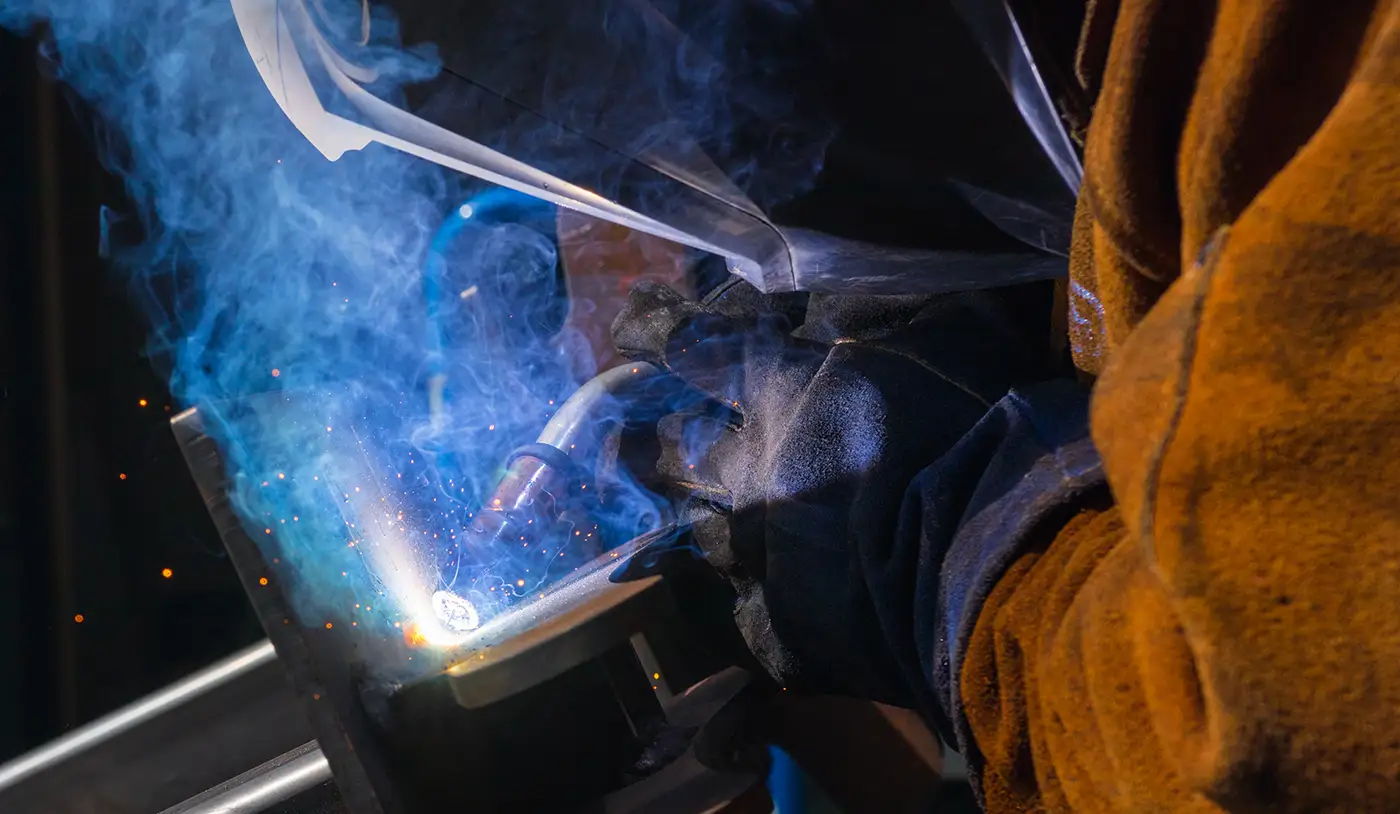
Hexavalent chromium can be generated when chromium-containing materials are heated to high temperatures. For example, stainless steel and some specialty alloys contain chromium. During processes such as welding, plasma cutting, laser cutting, thermal spraying or other hot work, chromium in the base metal, filler metal or coating can be converted into airborne hexavalent chromium compounds within the fume.
Exposure Risks of Hexavalent Chromium
What makes hex chrome so dangerous? The heightened toxicity of hexavalent chromium primarily stems from its high oxidizing potential and its ability to penetrate cells. Once inside the body, Cr(VI) is reduced to its trivalent form, Cr(III), releasing reactive intermediates that can damage DNA and other cellular components. This damage is linked to its carcinogenic, mutagenic and teratogenic (fetal development) effects.
While chromium in stainless steel is not typically dangerous in its original form, the intense heat of welding can transform it into hazardous hexavalent chromium fumes that may create serious health risks when inhaled. Because stainless steel alloys often contain 10% to 30% chromium, the dangers of welding stainless steel should not be overlooked, particularly in facilities without effective weld fume controls.
Exposure to hexavalent chromium can cause serious short- and long-term health effects, including respiratory irritation, coughing, wheezing and skin irritation. Prolonged exposure to hexavalent chromium can result in chronic respiratory illness, lung damage and increased cancer risk. Understanding hexavalent chromium exposure symptoms, Occupational Safety and Health Administration (OSHA)exposure limits and how to reduce chromium exposure through proper weld fume extraction and ventilation is essential for welders, safety managers and employers alike.
How Hexavalent Chromium Impacts the Body
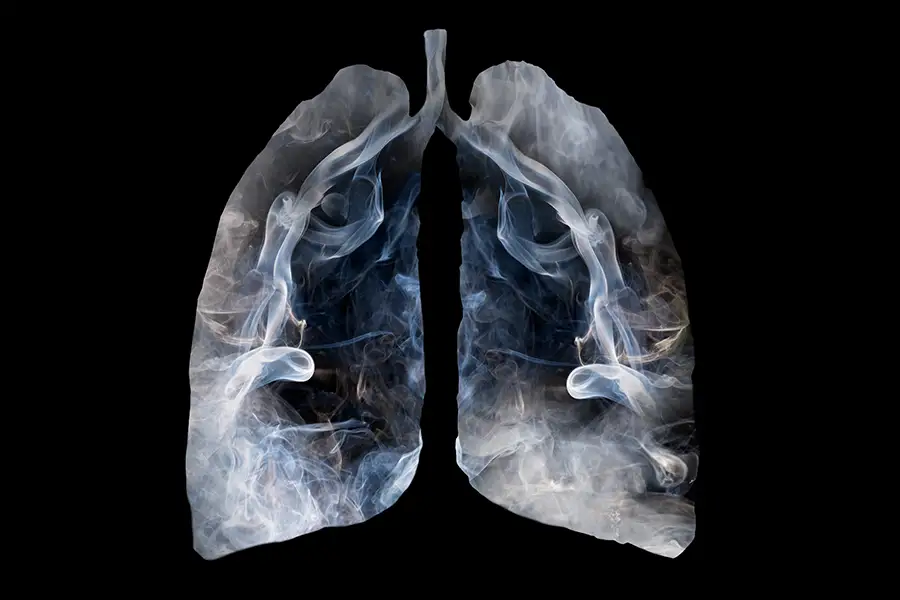 When Cr(VI) compounds are inhaled, ingested, or come in contact with the skin, they pose several risks.
- Respiratory System: Inhalation of Cr(VI) particles can lead to lung damage, chronic bronchitis, occupational asthma, and nasal septum ulcerations and perforations.
- Digestive System: Ingestion can lead to stomach ulcers and disruptions in gastrointestinal function.
- Dermatological Effects: Direct skin contact with Cr(VI) may cause skin ulcers and allergic contact dermatitis.
- Cancer Risk: Hex chrome is a well-known carcinogen and has been linked to several forms of cancer. Welders inhaling hex chrome fume are at heightened risk of lung cancer. Hexavalent chromium has also been linked to nasal and sinus cancer and stomach cancer.
- Kidney and Liver: The liver and kidneys have a central role to play in breaking down and excreting toxins such as hex chrome. Cr(VI) is broken down into Cr(III) by the liver; chronic or high levels of exposure may lead to liver damage. Chronic exposure to Cr(VI) can also lead to nephrotoxicity (damage to the kidneys) and reduced kidney function.
- Developmental and Reproductive Effects: Hexavalent chromium exposure can have adverse effects on both development and reproduction. The effects span a range of concerns from embryonic development to fertility and are of particular importance for pregnant individuals and those planning a pregnancy. Pregnant workers exposed to hex chrome may be at higher risk for miscarriage, and there is evidence that exposure in the womb may cause fetal growth retardation, skeletal malformations, and neurological damage. Men exposed to high levels of hex chrome fumes may experience a decline in sperm count and an increase in sperm abnormalities.
Symptoms of Hexavalent Chromium Exposure
The symptoms resulting from Cr(VI) exposure can vary based on the route and duration of exposure.
- Short-term exposure may result in irritation or damage to the nose, throat, and lungs (coughing or wheezing), a runny or itchy nose, skin rashes or contact dermatitis, or eye irritation.
- Long-term exposure is associated with chronic respiratory issues, permanent skin damage, stomach ulcers and other long-term health impacts.
- It is important to note that many people do not have acute short-term effects from hexavalent chromium exposure. Many welders exposed to toxic levels of hex chrome in the workplace do not show immediate symptoms. That does not, however, mean that exposure is safe.
What to Do If You’ve Been Exposed to Hex Chrome
Employees experiencing acute symptoms of hexavalent chromium exposure should take steps to remove themselves from the exposure source and seek medical attention if symptoms are present. The incident should be reported to a workplace safety officer so remedies can be put in place to prevent future exposures. For employees who have experienced long-term exposure to hex chrome, a medical surveillance program should be put in place to monitor exposed employees for development of lung damage, cancer, stomach ulcers and other long-term effects. The most reliable way to test for hexavalent chromium exposure is through blood testing; chromium levels can also be measured in hair and urine.

Weld Fume Composition and Hexavalent Chromium
The exact amount of Cr(VI) in the welding fume varies based on several factors, such as the welding process, current settings, type of electrode used, and specific alloy of stainless steel. Studies have shown that the concentration of hexavalent chromium in weld fumes can vary dramatically depending on these factors. The best way to determine the concentration of weld fumes produced by a specific process or application is through air sampling and laboratory testing.

Factors Impacting Hex Chrome Exposure in Welding
Several factors influence the exposure levels to hex chrome during welding.
- Base materials: The higher the chromium content in the base metal, the more hexavalent chromium will be found in the weld fumes. Hex chrome is primarily associated with stainless steel welding, as stainless steel alloys typically contain 10-30% chromium. However, other alloys may also have chromium added. It is important to understand the chemical composition of the metals you are welding.
- Welding process: Different welding processes can produce different amounts of fumes and Cr(VI). For instance, shielded metal arc welding (SMAW), gas metal arc welding (GMAW), and flux-cored arc welding (FCAW) have been noted to produce significant amounts of Cr(VI) when welding stainless steel.
- Duration and frequency of welding: Longer welding sessions and more frequent welding activities will generally result in increased cumulative exposure to Cr(VI), elevating the risk.
- Welding parameters: Higher welding currents and voltages can increase the amount of fumes generated and, consequently, the amount of Cr(VI) produced.
- Weld fume mitigation: The presence and effectiveness of air filtration and ventilation play a significant role in determining exposure levels. Local exhaust ventilation and source capture filtration solutions (such as fume arms, fume guns, backdraft plenums, or receiving hoods) can effectively reduce Cr(VI) concentrations in the immediate vicinity of the welders.
OSHA Hexavalent Chromium PEL and Exposure Limits
Because of the serious health risks associated with hexavalent chromium exposure, regulatory agencies like the OSHA have established strict workplace exposure limits to protect welders and other workers. When welding stainless steel and other chromium-containing alloys, employers must understand not only total weld fume concentrations, but also the specific hazards associated with hex chrome (Cr(VI)), which carries far stricter limits than weld fume as a whole.
OSHA Exposure Limits for Hexavalent Chromium
The OSHA hexavalent chromium PEL (Permissible Exposure Limit) for general industry—including welding, metalworking and fabrication—is:
- OSHA hexavalent chromium PEL: 5 µg/m³ over an 8-hour time-weighted average (TWA)
- OSHA Action Level: 2.5 µg/m³, or half the PEL
If employee exposure reaches or exceeds the OSHA Action Level, employers may be required to implement additional protective measures, including:
- Increased exposure monitoring and air sampling
- Medical surveillance programs for exposed workers
- Engineering controls to reduce airborne contaminants
- Additional documentation and workplace protections
Employers must ensure worker exposure remains below the OSHA hexavalent chromium PEL through effective engineering controls, exposure monitoring and protective measures. In welding environments, this often means implementing source capture systems, industrial ventilation and air filtration to prevent hazardous fumes from reaching the welder’s breathing zone.
OSHA vs. ACGIH and NIOSH Exposure Recommendations
While OSHA standards establish the legal minimum requirements, other organizations recommend even stricter exposure limits based on newer scientific research. Both the National Institute for Occupational Safety and Health (NIOSH) and the American Conference of Governmental Industrial Hygienists (ACGIH) recommend significantly lower exposure levels of 0.2 µg/m³ for hexavalent chromium—a threshold 25 times lower than OSHA’s PEL.
This difference highlights an important reality for manufacturers: meeting minimum compliance does not always mean exposure risks are fully controlled.
It is also important to understand that the hex chrome PEL is dramatically lower than the exposure limit for weld fumes as a whole. OSHA currently sets the weld fume PEL at 5 mg/m³, making the hexavalent chromium PEL 1,000 times lower. In other words, a facility may appear to control total weld fume exposure while still exceeding safe levels for highly toxic contaminants such as hex chrome.
Because exposure levels vary significantly depending on the welding process, base material, ventilation and work practices, facilities welding stainless steel should consider routine air sampling and exposure testing to confirm compliance and protect workers from long-term health risks.
How to Protect Welders from Hexavalent Chromium Exposure
Reducing hexavalent chromium exposure and promoting hexavalent chromium safety starts with controlling weld fumes before they reach the welder’s breathing zone. Because welding stainless steel dangers often stem from inhaling toxic hex chrome fumes, employers should prioritize engineering controls such as weld fume extraction, industrial ventilation and air filtration systems designed to meet the stringent OSHA hexavalent chromium PEL.
When welding stainless steel and other chromium-containing alloys, effective respiratory protection for hexavalent chromium should begin with source capture, collecting fumes as close to the weld as possible to minimize worker exposure.
Remember: air filtration and ventilation systems are important engineering controls, but compliance must be verified through exposure assessment. For welding applications with potential Cr(VI) exposure, employers should use personal air sampling, historical data or objective data sufficient to characterize employee exposure.
Want to learn more about weld fume control? Explore our Complete Guide to Welding Fume Extraction Systems to learn how to reduce worker exposure and improve compliance when welding stainless steel.
Source Capture Methods for Welding Stainless Steel
When welding stainless steel, source capture systems should be used whenever possible. Depending on the application, these may include:
- Fume extraction arms positioned directly over the weld seam
- Welding tables with integrated fume extraction
- Backdraft plenums designed to pull fumes away from the welder’s face
- Fume extraction guns or torches that capture fumes at the source
The goal is to prevent hazardous fumes from entering the breathing zone. Properly positioned fume extraction systems can significantly reduce chromium exposure, and fume guns may capture 90–95% of weld fumes as they are generated.


For robotic welding operations, welding cells should be fully enclosed or isolated under fume hoods to prevent contaminants from spreading throughout the facility.
Ambient Air Filtration and Exposure Testing
Ambient air filtration should not be the primary method of controlling hexavalent chromium exposure, because it does not stop rising fumes from reaching the welder’s breathing zone. However, ambient filtration can serve as an effective secondary control when source capture alone does not capture 100% of weld fume.
Because exposure to hexavalent chromium can cause serious long-term health risks, facilities welding stainless steel should also conduct routine exposure testing to confirm compliance. Personal air sampling—using a device clipped near the welder’s collar or lapel—is one of the most accurate ways to measure exposure levels and verify whether worker exposure remains below the OSHA hexavalent chromium PEL.
Respiratory Protection for Hexavalent Chromium
If engineering controls cannot adequately reduce exposure, respiratory protection for hexavalent chromium may be necessary. Depending on exposure levels, this could include:
- NIOSH-approved respirators half-mask or full-face respirators
- Powered air-purifying respirators (PAPRs)
However, respirators should not be the first or only line of defense. Following the Hierarchy of Controls, employers should prioritize source capture, air filtration and industrial ventilation before relying on PPE alone.
Connect with the weld fume safety experts at RoboVent to learn how you can reduce exposure to hex chrome and other hazardous substances.
Frequently Asked Questions About Hexavalent Chromium Exposure
How is hexavalent chromium formed during welding?
Hexavalent chromium (Cr(VI)) forms when high temperatures oxidize chromium-containing metals during welding and other thermal processes. Stainless steel naturally contains chromium in its less harmful trivalent form (Cr(III)), but welding heat can transform it into toxic hex chrome fumes that may be inhaled by workers.
Several factors can increase hexavalent chromium exposure during welding, including:
- Welding method used: some processes create more fumes than others
- Chromium content of the metal: higher chromium content may increase exposure risk
- Contaminants or additional metals in the base material
- Welding temperature and duration
What processes generate hex chrome fumes?
While welding stainless steel is one of the most common sources of hex chrome exposure, other processes may also generate Cr(VI), including:
- Thermal cutting and smelting
- Chrome plating and thermal spraying
- Printing and chemical manufacturing
- Recycling chromium-containing materials
- Glass manufacturing using lead chromates
- Chemical manufacturing (especially dyes, paints and pigments)
What toxic substance is released when welding stainless steel?
Hexavalent chromium (Cr(VI))—also called hex chrome—is one of the primary toxic substances released when welding stainless steel. While stainless steel naturally contains chromium in a less harmful form called trivalent chromium (Cr(III)), the intense heat of welding can oxidize it into highly toxic hexavalent chromium fumes. These fumes may create serious health risks when inhaled and are a major concern for welders and employers.
Is chromium in stainless steel toxic?
Not inherently. Chromium in stainless steel is typically present as trivalent chromium (Cr(III)), which is not considered highly toxic in its original form. The danger occurs during high-heat processes such as welding, thermal cutting or grinding, when chromium may transform into hexavalent chromium (Cr(VI)), a known carcinogen associated with respiratory illness and other long-term health effects.
Does all stainless steel contain hexavalent chromium?
No. Stainless steel does not typically contain hexavalent chromium initially. However, most stainless steel alloys contain 10% to 30% chromium, which can be converted into hex chrome fumes during welding or thermal processing. This means nearly any stainless steel has the potential to create hexavalent chromium exposure risks when welded.
What other materials contain chromium?
Chromium is used in various industrial applications due to its anti-corrosive properties. It’s often used in paints, inks, and other surface coatings. Chromium is commonly found in:
- Paints and primers (especially in the automotive and aerospace industries)
- Dyes and pigments
- Leather tanning agents
- Chrome plating
- Anti-corrosion products
When chromium-containing materials are heated during welding, cutting, grinding and other thermal processes, dangerous hexavalent chromium can form.
What are the dangers of welding stainless steel?
One of the biggest welding stainless steel dangers is exposure to toxic weld fumes, particularly hexavalent chromium. Welders may also be exposed to manganese, nickel and other hazardous metal particulates depending on the base material and process. Without proper ventilation and weld fume control, long-term exposure can increase the risk of respiratory illness, organ damage and cancer.
What health problems can exposure to hexavalent chromium cause?
Exposure to hexavalent chromium can cause a wide range of health concerns depending on exposure level and duration. Short-term exposure may lead to coughing, wheezing, throat irritation, skin irritation or eye discomfort. Long-term exposure may contribute to:
- Lung damage and chronic respiratory illness
- Occupational asthma and chronic bronchitis
- Nasal irritation and tissue damage
- Kidney and liver damage
- Reproductive concerns
- Lung, nasal and sinus cancers
What are hexavalent chromium exposure symptoms?
Hexavalent chromium exposure symptoms often affect the respiratory system first, though some workers may not experience immediate symptoms.
Common symptoms may include:
- Coughing or wheezing
- Runny or itchy nose
- Throat irritation
- Skin rashes or contact dermatitis
- Eye irritation
It is important to remember that many workers exposed to unsafe levels of hex chrome do not show immediate symptoms. The absence of symptoms does not mean exposure is safe.
Prolonged exposure to hexavalent chromium can result in what conditions?
Prolonged exposure to hexavalent chromium can result in serious long-term health consequences, including:
- Lung cancer
- Nasal and sinus cancers
- Chronic respiratory illness
- Permanent skin damage
- Reduced kidney function
- Liver damage
- Reproductive and developmental concerns
Because hexavalent chromium exposure is cumulative, repeated low-level exposure may still create long-term health risks.
What is the OSHA hexavalent chromium PEL?
The OSHA hexavalent chromium PEL (Permissible Exposure Limit) for general industry is:
- 5 µg/m³ over an 8-hour time-weighted average (TWA)
OSHA also establishes an Action Level of 2.5 µg/m³, which may trigger additional monitoring and protective measures. Employers are responsible for ensuring worker exposure remains below these limits through engineering controls, air monitoring and protective measures.
What respiratory protection is used for hexavalent chromium?
Respiratory protection for hexavalent chromium may be necessary if engineering controls alone cannot adequately reduce exposure. Depending on the exposure level, protection may include:
- NIOSH-approved half-mask or full-face respirators
- Powered air-purifying respirators (PAPRs)
However, OSHA and industrial hygiene best practices prioritize engineering controls first, meaning weld fume extraction and ventilation should be implemented before relying on PPE alone.
How can employers reduce hexavalent chromium exposure?
The most effective way to reduce hexavalent chromium exposure is through source capture and weld fume control systems designed to keep fumes out of the breathing zone.
Common control methods include:
- Fume extraction arms
- Fume extraction guns/torches
- Backdraft plenums
- Welding tables with integrated extraction
- Industrial ventilation systems
- Ambient air filtration as secondary control
Routine air sampling and exposure testing are also important to confirm compliance with OSHA limits.
How do employers test for hexavalent chromium exposure?
The most reliable way to evaluate worker exposure is through personal air sampling in the welder’s breathing zone. During testing, a small sampling device is clipped near the welder’s collar or lapel to collect airborne contaminants during work activities. Samples are then analyzed in a laboratory to determine exposure levels and confirm compliance with the OSHA hexavalent chromium PEL.
Is ambient air filtration enough for stainless steel welding?
Usually not. Ambient air filtration should not be the primary method of controlling hex chrome exposure during stainless steel welding, because it does not prevent fumes from entering the welder’s breathing zone. Source capture methods that collect fumes at or near the point of generation are generally the preferred approach. Ambient filtration may still be valuable as a secondary layer of protection.
How do I reduce exposure to hexavalent chromium (hex chrome) in stainless steel weld fumes?
Reducing hexavalent chromium exposure starts with controlling weld fumes before they reach the breathing zone. Because hex chrome is a highly toxic byproduct of welding stainless steel, employers should prioritize engineering controls and process improvements before relying on PPE alone.
Key ways to reduce exposure include:
- Improve the welding process: changes in materials or welding wire (such as switching from flux-core to solid wire) may reduce weld fume generation.
- Use source capture systems: fume guns, backdraft tables and extraction arms help capture hazardous fumes close to the source. Robotic welding cells should be enclosed whenever possible.
- Add ambient air filtration: while not a standalone solution, ambient systems can help reduce lingering fumes throughout a facility.
- Use PPE when necessary: if exposure remains high, respirators such as powered air-purifying respirators (PAPRs) may help protect workers.
Because OSHA considers PPE a last resort, employers should first implement effective weld fume extraction and ventilation systems to help maintain exposure levels below the OSHA hexavalent chromium PEL.
Should PPE be used when welding stainless steel?
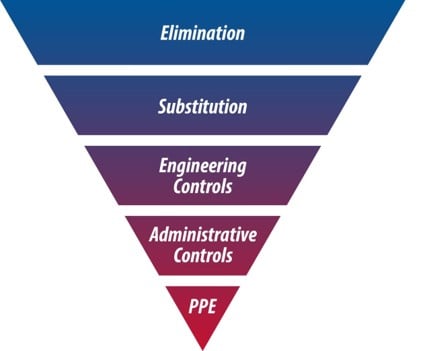
If engineering controls cannot adequately control fumes from stainless steel welding, it may be necessary to provide welders with appropriate respirators to reduce exposure to hexavalent chromium. This might range from disposable N95/KN95 masks to powered air-purifying respirators (PAPRs), depending on the level of exposure. However, keep in mind that respirators should not be the first or only line of defense from hex chrome in welding fumes. According to the hierarchy of controls, engineering controls such as air filtration and ventilation must be implemented before relying on PPE.
Contact Us With Your Questions!
SUBSCRIBE TO
BLOG UPDATES


