


Dust Collection Systems Design and Engineering
Industrial dust collection engineering services for cleaner air and reliable performance.
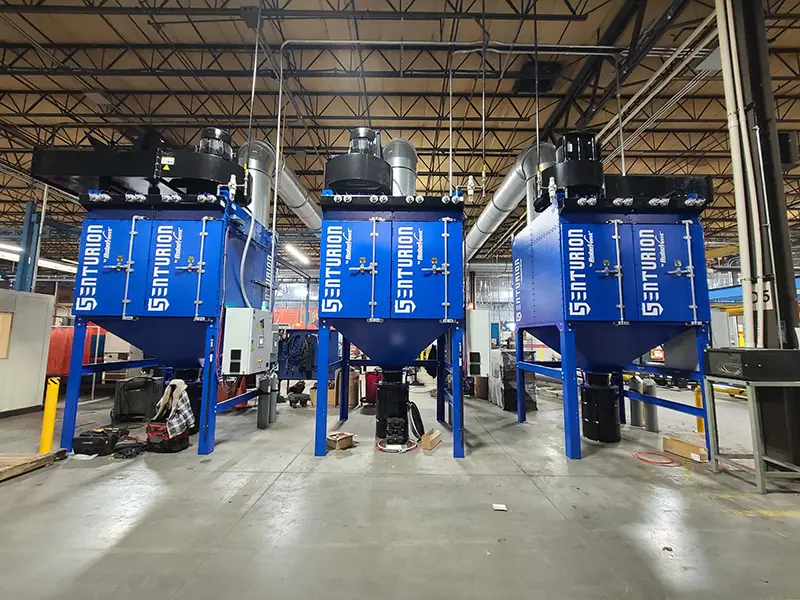
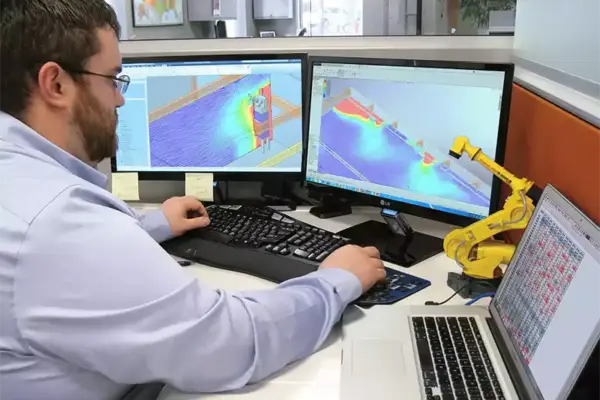
Designing an effective dust collection system requires more than selecting equipment. RoboVent engineers industrial dust collection systems customized for your facility and applications to deliver dependable performance in demanding manufacturing environments.


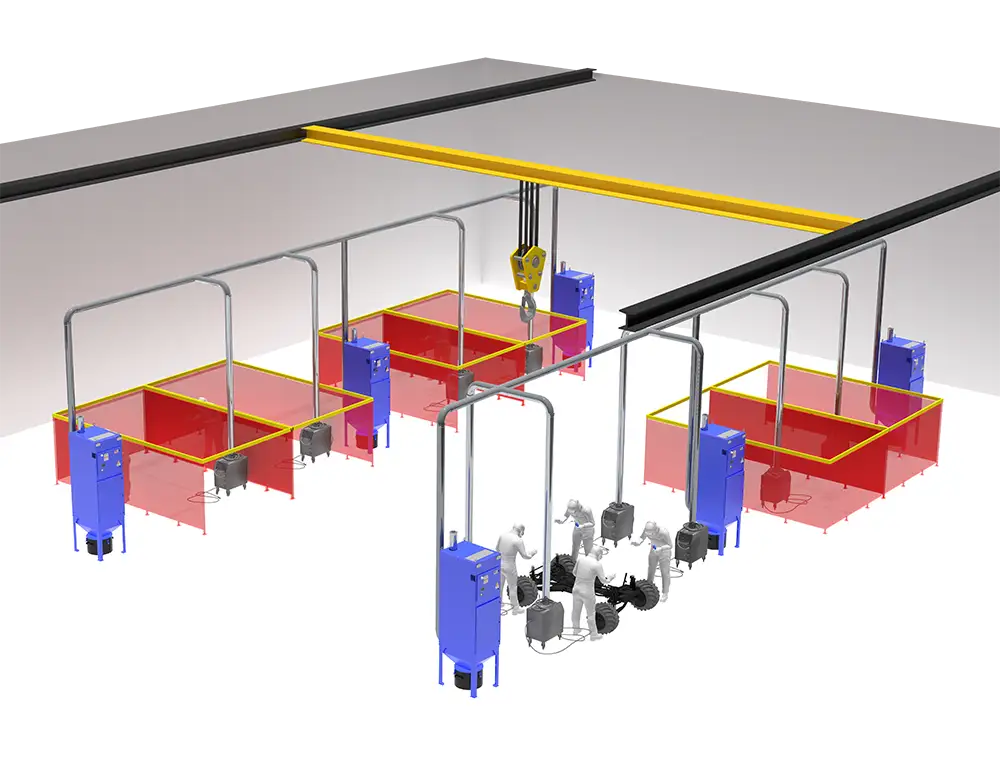
Dust Collection Systems Design for Better Plant Performance
Poorly designed dust collection systems don’t just affect air quality. They can create operational problems that impact productivity, safety and maintenance costs across the facility.
Common issues caused by inadequate system design include:
- Dust escaping into work areas or settling on equipment
- Collectors that can’t keep up with production demands
- Filters clogging too quickly and requiring frequent replacement
- Excessive downtime and increased repair costs
- Increased energy consumption from inefficient system operation
- Systems that become outdated as production lines change or expand
Properly engineered dust collection systems improve air quality, increase system efficiency and support safe, compliant manufacturing operations. By designing systems that match your facility layout, processes and airflow requirements, RoboVent helps manufacturers control airborne dust and maintain reliable long-term compliance with indoor air quality standards.



The Experts in Dust Collection Systems Design
RoboVent brings decades of experience in industrial air filtration and ventilation engineering, helping manufacturers design custom dust collection systems that deliver reliable performance in demanding production environments.
KEY ADVANTAGES OF WORKING WITH ROBOVENT INCLUDE:





RELATED SERVICES
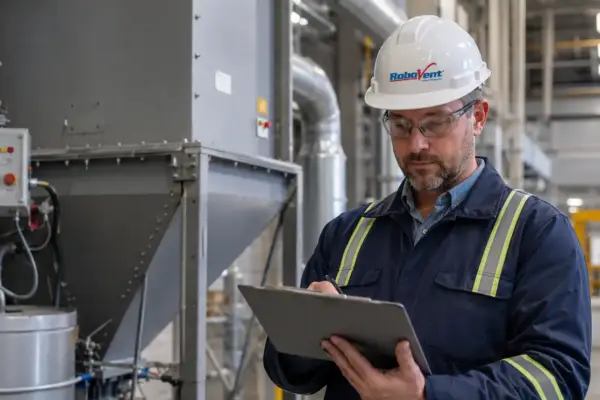
NFPA Compliance Audit for Dust Collection Systems
NFPA Compliance Audit for Dust Collection Systems Ensure Your Dust Collection System Meets NFPA...
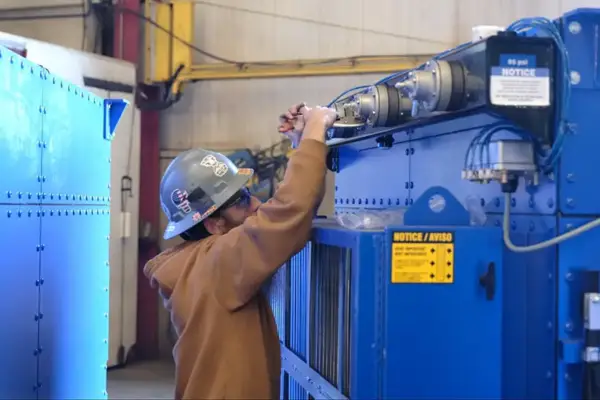
Dust Collection System Optimization
Dust Collection System Optimization Improve the Performance of Your Dust Collection System Dus...
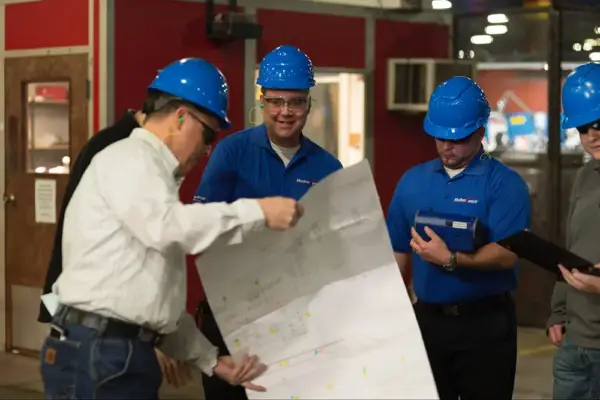
Dust Collection System Audit
Dust Collection System Audit Identify What’s Limiting Your System Performance A dust collect...
Industrial Ventilation System Design
Industrial Ventilation System Design Improving Indoor Air Quality, Comfort and Compliance Throu...
VentMapping® Engineering Services
VentMapping® Engineering Services Engineered Solutions for Complex Dust, Fume & Ventilatio...
Frequently Asked Questions
Systems Design and Engineering
What is involved in dust collection system design?
Dust collection system design involves analyzing dust sources, airflow requirements, facility layout and filtration needs to determine the most effective way to control airborne particulate. Engineers evaluate capture methods, ductwork design, collector sizing and airflow balance to ensure the system captures dust efficiently and operates reliably. A properly engineered design helps improve air quality, reduce maintenance issues and support safe manufacturing operations.
Why does dust collection system design require a systems approach?
Dust collection systems work best when they are designed as integrated systems rather than individual components. Airflow, ductwork layout, filtration and collector capacity must all work together to maintain proper system balance. A systems approach ensures contaminants are captured effectively while minimizing energy use, filter wear and maintenance problems. Without coordinated engineering, even high-quality equipment may fail to perform as expected.
What are the main components of a dust collection system?
A typical industrial dust collection system includes several key components: capture hoods or pickup points, ductwork to transport dust-laden air, a dust collector that filters the air and a fan that moves air through the system. Additional components may include discharge systems, filter cleaning mechanisms and monitoring controls. Each element must be properly designed and balanced to ensure effective dust capture and reliable system performance.
How do engineers determine the right size for a dust collection system?
Engineers size dust collection systems based on airflow requirements, typically measured in cubic feet per minute (CFM). They evaluate the number of dust sources, the airflow needed to capture contaminants and the layout of the ductwork system. Proper sizing ensures the collector can handle the required airflow while maintaining efficient filtration and stable system performance.
When should a dust collection system be redesigned or upgraded?
A dust collection system may need redesign or upgrades when it can no longer keep up with production demands or maintain effective dust control. Common signs include dust escaping into the facility, filters clogging too quickly or inconsistent airflow at pickup points. Changes to equipment, processes or facility layout can also require system redesign to maintain proper airflow balance and reliable performance.
CONTACT US
Need to schedule a repair or PM appointment? Just fill out the form below. Or call us at (888) 762-6836 to schedule an emergency repair.


