


NFPA Compliance Audit for Dust Collection Systems
Ensure Your Dust Collection System Meets NFPA Combustible Dust Standards
RoboVent helps manufacturers ensure their dust collection systems meet the National Fire Protection Association (NFPA) combustible dust safety requirements.
Combustible dust hazards are often built into normal operations, but without proper system design, engineering controls and ongoing evaluation, these risks can lead to serious incidents. NFPA standards provide the framework for managing these risks, but applying them correctly requires a deep understanding of both dust behavior and system performance.
RoboVent helps you evaluate, understand and implement NFPA dust collection compliance in a way that improves safety, supports compliance and aligns with real-world operating conditions.
The Combustible Dust Risks Hiding in Your Dust Collection System
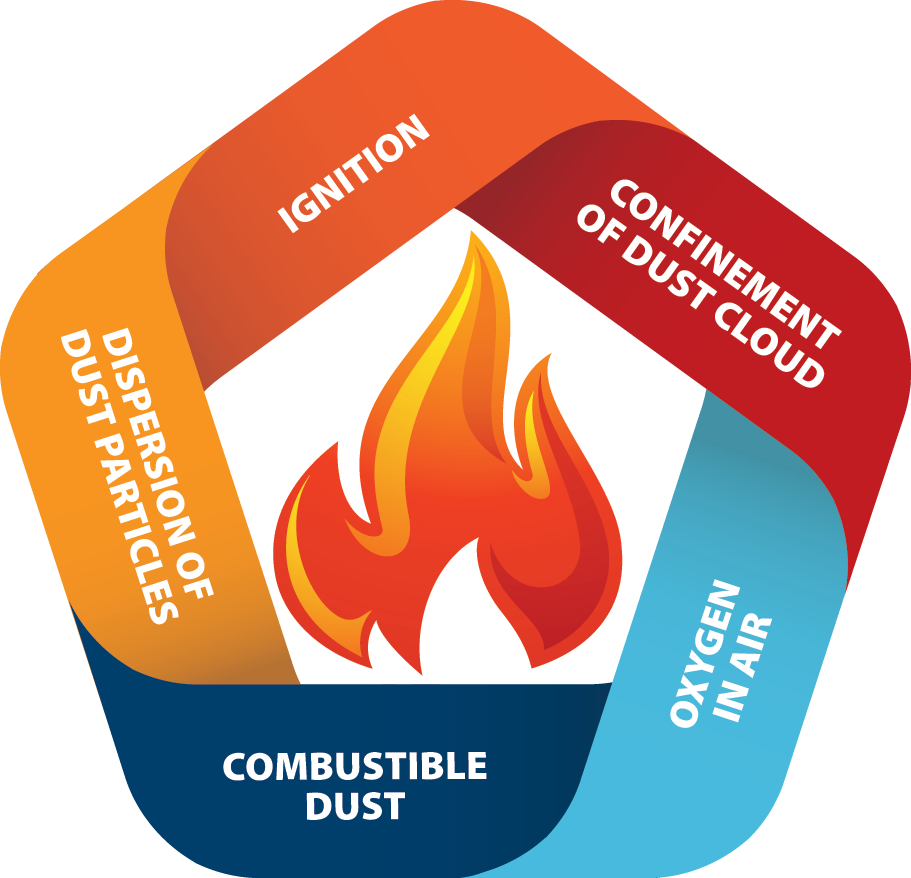
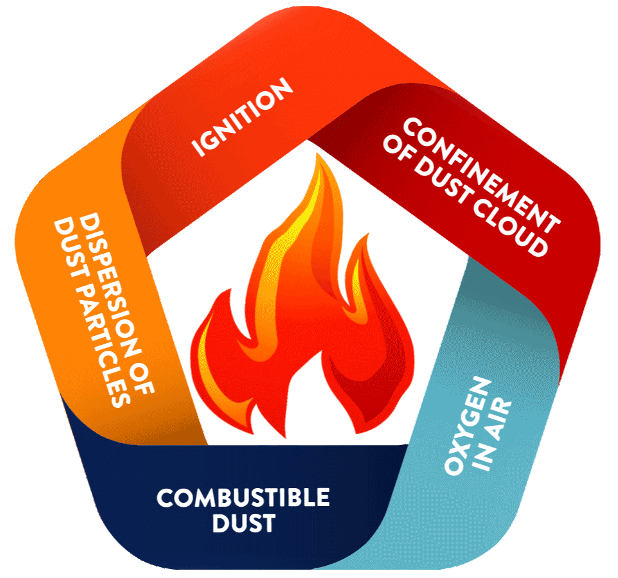
Dust collection systems play a critical role in combustible dust safety, but they can also introduce risk if not properly designed or maintained. The dust collector provides most of the elements required for a combustible dust explosion (see explosion pentagon), including airflow, fuel, airborne dust and containment. All that is needed is a spark. That’s why dust collection systems for combustible dust must be designed in accordance with NFPA standards for combustible dust safety.
Common risks include:
- Dust explosion hazards within collectors or ductwork
- Deflagration propagation through improperly designed duct systems
- Inadequate explosion venting or suppression
- Missing or ineffective explosion isolation devices
- Accumulation of combustible dust within equipment or facility areas
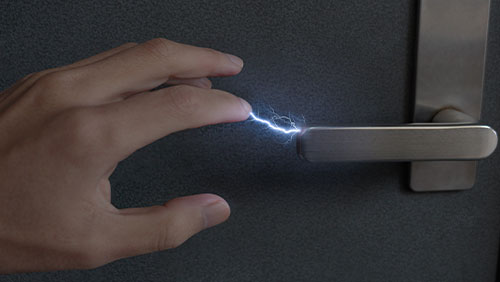
- Improper bonding and grounding leading to ignition sources
- Unsafe indoor collector placement or inadequate protection systems
These risks are not always visible and many systems that appear functional may still have significant compliance gaps.
Engineering Controls and System Design for NFPA Compliance
NFPA dust collection compliance is ultimately achieved through proper system design and engineering controls, not just documentation. RoboVent can help you audit your dust collection system for NFPA compliance and recommend improvements to bring your system up to the standards.
Key system design considerations include:

Explosion Venting: Properly sized and located venting systems to safely relieve pressure during a deflagration (per NFPA 68).
Explosion Isolation: Devices such as isolation valves or barriers to prevent flame propagation through ductwork (per NFPA 69).
Collector Placement: Outdoor placement when possible, or protected indoor systems using flameless venting or suppression.
Ductwork Design: Maintaining proper conveying velocity to prevent dust accumulation and reduce ignition risk.
Bonding and Grounding: Ensuring all conductive components are properly grounded to prevent static discharge.
Filtration and Air Return: Preventing reintroduction of combustible dust into the workspace.

Ignition Source Control: Managing hot surfaces, sparks and electrical classification.
These elements are critical to ensuring that your dust collection system actively reduces combustible dust risk, not contributes to it.

Talk to RoboVent About Dust Collector Safety and NFPA Compliance
NFPA compliance for dust collection systems requires more than checking boxes; it requires understanding how dust behaves, how systems perform and how risks develop in real environments.
RoboVent brings:
- Deep expertise in combustible dust behavior and NFPA standards
- Experience evaluating and improving dust collection systems across industries
- Ability to connect DHA findings to real system design and performance
- Knowledge of explosion protection, airflow and system engineering
- A data-driven approach to combustible dust compliance services
Rather than delivering static reports, RoboVent helps you build systems that are safer, more compliant and designed for real-world operation.
RELATED SERVICES
Dust Collection Systems Design and Engineering
Dust Collection Systems Design and Engineering Industrial dust collection engineering services ...
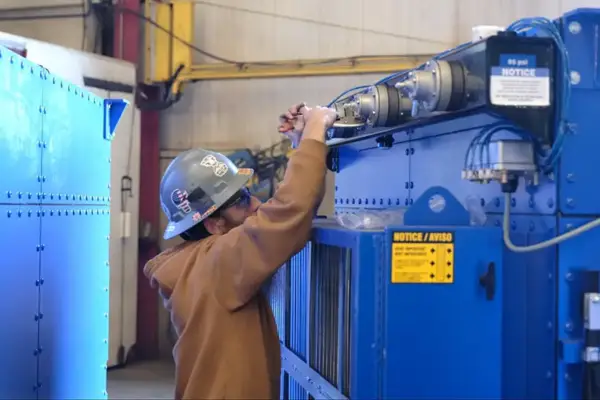
Dust Collection System Optimization
Dust Collection System Optimization Improve the Performance of Your Dust Collection System Dus...
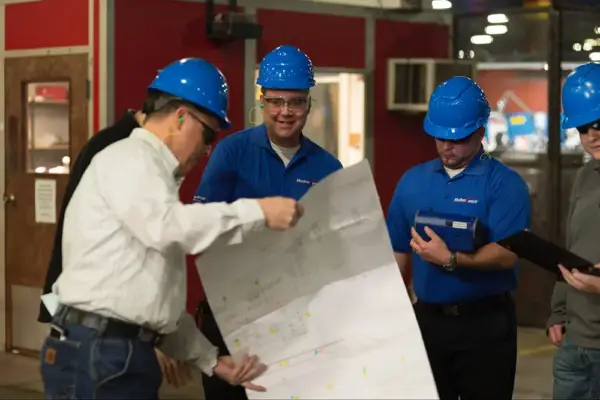
Dust Collection System Audit
Dust Collection System Audit Identify What’s Limiting Your System Performance A dust collect...
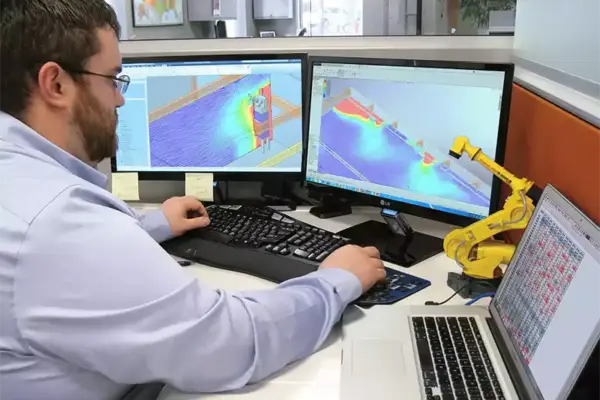
Industrial Ventilation System Design
Industrial Ventilation System Design Improving Indoor Air Quality, Comfort and Compliance Throu...
VentMapping® Engineering Services
VentMapping® Engineering Services Engineered Solutions for Complex Dust, Fume & Ventilatio...
Frequently Asked Questions
NFPA
What is an NFPA compliance audit for dust collection systems?
An NFPA compliance audit is a detailed evaluation of a dust collection system against combustible dust safety standards, including NFPA 660. It reviews system design, explosion protection, airflow, dust accumulation and operational practices. The goal is to identify gaps that could increase fire or explosion risk. This process helps facilities ensure their systems are both safe and aligned with current standards.
What is NFPA 660 and why does it matter?
NFPA 660 is the consolidated standard for combustible dust safety, combining several previous standards into one unified framework. It covers key areas such as dust hazard analysis, system design, explosion protection and housekeeping. This standard provides a comprehensive approach to managing combustible dust risks. Compliance with NFPA 660 is critical for reducing safety risks and supporting regulatory alignment.
What NFPA standards apply to dust collection systems?
NFPA dust collection compliance is governed by a group of combustible dust safety standards that define how systems should be designed, installed and maintained.
At the center is National Fire Protection Association NFPA 660, which consolidates multiple legacy standards into a unified framework for combustible dust safety.
Key standards that apply to dust collection systems include:
- NFPA 660: Fundamental standard covering combustible dust hazards, system design, housekeeping and safety management
- NFPA 68: Requirements for explosion venting and deflagration protection
- NFPA 69: Explosion prevention and isolation systems
- NFPA 70 (NEC): Electrical classification, grounding and ignition control
- NFPA 652 / 484 (legacy + material-specific standards): Guidance for specific dust types and hazard scenarios
These standards are not just theoretical—they directly impact how dust collection systems must be designed and operated to prevent explosions and protect workers.
How does an NFPA audit relate to a Dust Hazard Analysis (DHA)?
A Dust Hazard Analysis (DHA) identifies potential combustible dust hazards within a facility, while an NFPA compliance audit evaluates whether your systems and practices adequately address those hazards. The audit helps ensure that DHA recommendations are properly implemented. Together, they form a complete approach to combustible dust risk management. Both are essential for maintaining a safe and compliant facility.
What are the most common NFPA compliance issues in dust collection systems?
Common issues include improper collector placement, missing explosion protection, inadequate duct design and poor housekeeping practices. Facilities may also have gaps in grounding, electrical classification or system documentation. These issues often develop over time as systems age or processes change. An audit helps identify and prioritize these risks before they lead to incidents.
Is NFPA compliance legally required?
NFPA standards themselves are not laws, but they are widely used as the basis for enforcement by OSHA and other regulatory agencies. In practice, failing to follow NFPA guidelines can result in citations under OSHA’s General Duty Clause. Compliance is considered a best practice for managing combustible dust hazards. It also helps reduce liability and improve overall safety.
How often should an NFPA compliance audit be performed?
Audits should be performed periodically, especially when processes, materials or facility layouts change. They are also recommended following a DHA or when preparing for inspections. Regular audits help ensure ongoing compliance and identify new risks as operations evolve. Proactive evaluation is key to maintaining long-term safety and performance.
Contact Us
Need to schedule a repair or PM appointment? Just fill out the form below. Or call us at (888) 762-6836 to schedule an emergency repair.


