


Building a Dust Collection System
From initial evaluation to long-term performance, we design and deliver systems that work.
Building a dust collection system is not just a single step but a process that requires data, engineering, precise execution and ongoing support to ensure performance over time.
RoboVent guides that entire journey, delivering fully integrated systems designed to protect your people, support your operations and perform reliably.
Why Most Dust Collection Systems Fall Short
Many dust collection systems are designed in isolation, installed without full integration or left without proper follow-through. The result is a system that may function but will not perform as intended.
Common challenges include:
- Systems designed without real-world facility data
- Poor alignment between design, installation and operation
- Airflow issues that are never fully addressed
- Systems that degrade over time without optimization or support
- Gaps between vendors, contractors and system responsibilities
When the process is fragmented, performance suffers. Dust collection is not just about equipment, it is about how every phase works together.

How We Build a Dust Collection System
RoboVent takes a comprehensive, step-by-step approach to building dust collection systems, ensuring that each phase is connected, intentional and focused on long-term performance.
1. Facility Testing and Evaluation
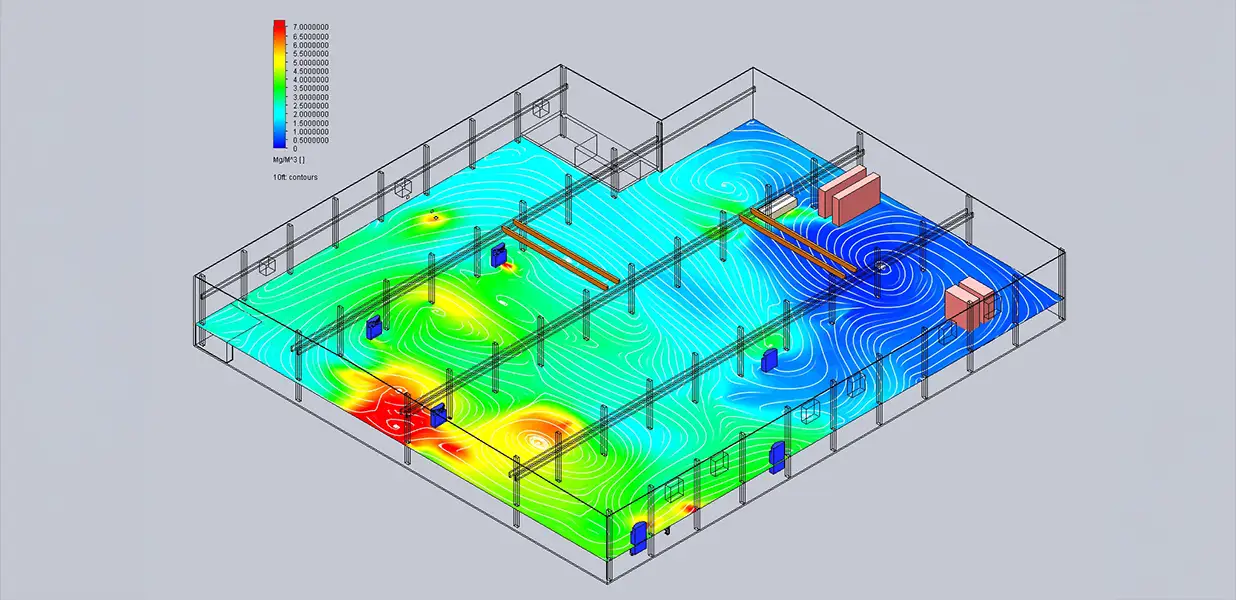
Every project begins with understanding current conditions. Depending on project complexity, this may include evaluating airflow, identifying dust sources and measuring airborne contaminants to establish a clear baseline. By gathering real data, we ensure the system is designed to address actual conditions not assumptions.
Learn more about our VentMapping Engineering Services for ambient dust collection system design.
2. System Design and Engineering
With a clear understanding of the environment, we design a system that delivers the required airflow and capture efficiency. This includes system sizing, duct layout, equipment selection and detailed engineering documentation to guide implementation. System design also incorporates applicable safety and compliance requirements, including NFPA 660 combustible dust standards, explosion protection and engineering controls necessary to manage identified hazards. Every decision is grounded in performance, safety and compliance.
3. System Fabrication and Installation
Once the design is finalized, the system is built and installed. This includes dust collectors, fans, ductwork and full system integration within the facility. Installation is executed with precision to ensure the system performs as designed and integrates seamlessly with existing operations.
4. Commissioning and Optimization
After installation, the system is tested, balanced and verified. Airflow is measured and adjusted to ensure proper distribution and dust capture. Optimization ensures the system is not only operational, but performing at peak efficiency.
5. Ongoing Service and Support
Performance does not stop at startup. Ongoing service includes maintenance, system monitoring, upgrades and continuous improvement to ensure long-term reliability. As your facility evolves, your dust collection system evolves with it.
A Fully Integrated Approach to Dust Collection System Projects
RoboVent does not treat dust collection as a one-time project. We deliver complete, end-to-end solutions designed to perform from day one and continue performing over time.
This approach includes:

Data-driven decision making: Beginning with real facility data, ensuring accurate design and performance.
Engineering-led system design: Airflow, capture efficiency and system performance guide every design decision.
Precision installation and integration: Systems are built and installed to match design intent and facility needs.
Performance verification and optimization: Ensuring that systems operate as expected, with ongoing optimization available.

Long-term partnership and support: To help maintain performance as conditions change.
We don’t just design systems. We deliver working solutions that support your operation at every stage.
RELATED SERVICES
Dust Collector Retrofitting
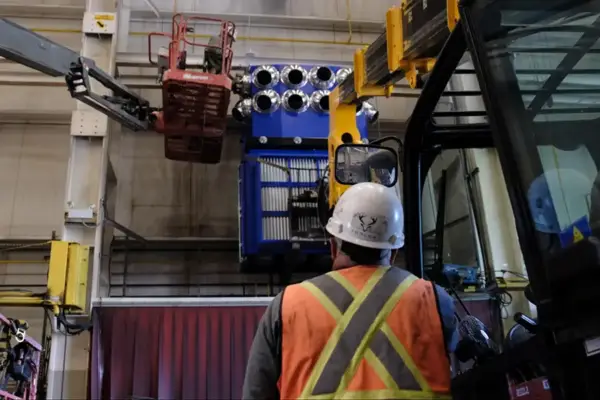
Dust Collector Retrofitting Upgrade your existing system to improve performance, increase capac...
Dust Collection System Installation
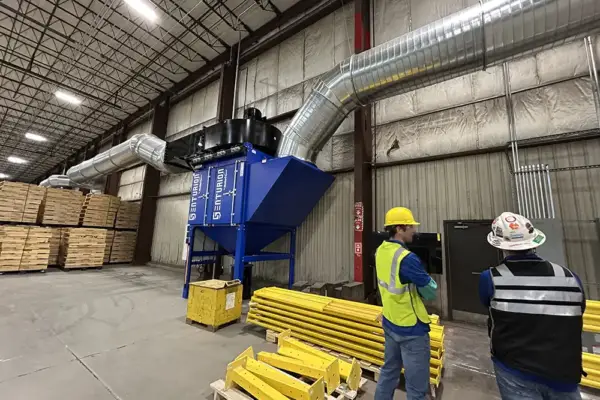
Dust Collection System Installation Ensure your system is installed correctly, performs as desi...
Frequently Asked Questions
Building
What is the process for building a dust collection system?
Building a dust collection system involves several key phases, including facility testing, system design, installation, commissioning and ongoing support. Each phase builds on the previous one to ensure the system performs as intended. Skipping or rushing any step can lead to performance issues or inefficiencies. A structured, end-to-end approach ensures better long-term results.
How long does it take to build a dust collection system?
The timeline depends on the size and complexity of the system, as well as the specific needs of the facility. Smaller systems may take weeks, while larger, facility-wide projects can take several months from evaluation through installation. Proper planning and coordination help keep projects on schedule. Working with a single provider across all phases can also streamline timelines.
Why is testing important before designing a dust collection system?
Testing provides the data needed to understand current conditions, including airflow patterns, dust sources and exposure levels. Without this information, systems are often designed based on assumptions, which can lead to poor performance. Testing ensures that the system is tailored to the actual environment. This leads to more accurate design and better long-term results.
What happens after a dust collection system is installed?
After installation, the system must be commissioned and optimized to ensure it performs as designed. This includes testing airflow, balancing the system and verifying performance. Ongoing maintenance and monitoring are also important to maintain efficiency and reliability over time. A system that is installed but not properly commissioned may not deliver expected results.
Can a dust collection system be expanded or upgraded later?
Yes, many systems can be expanded or upgraded as facility needs change. This may include adding new pickup points, increasing capacity or modifying ductwork. Planning for flexibility during the initial design phase can make future changes easier. Ongoing support ensures the system can evolve alongside your operations.
Contact Us
Need to schedule a repair or PM appointment? Just fill out the form below. Or call us at (888) 762-6836 to schedule an emergency repair.


