


Dust Hazard Analysis (DHA) Support
Strengthen Your Dust Hazard Analysis with the Right Data and Expertise
A Dust Hazard Analysis (DHA) is essential for identifying fire, flash fire and explosion risks associated with combustible dust. But the effectiveness of a DHA depends on the accuracy of your data and the practicality of your next steps.
RoboVent provides the testing, system insight and engineering support needed to help you prepare for, support and act on your DHA with confidence.
A DHA Is Only as Strong as the Information Behind It
A Dust Hazard Analysis is a detailed, systematic process but it does rely on accurate inputs about your materials, processes and facility conditions. Without the right preparation, critical risks can be overlooked or difficult to address.
This can lead to:
- Incomplete identification of combustible dust hazards
- Gaps in understanding ignition sources and dust accumulation points
- Recommendations that are difficult to implement in real operations
- Misalignment between DHA findings and actual system performance
- Ongoing exposure to fire or explosion risk
Combustible dust hazards exist in a wide range of industries, and incidents can have severe consequences for both people and operations.

Dust Hazard Analysis (DHA) Support Services from RoboVent
A Dust Hazard Analysis (DHA) is a structured evaluation used to identify and assess fire, flash fire and explosion hazards associated with combustible dust in a facility. It examines materials, processes, ignition sources and conditions that could lead to a dust-related incident.
DHA support ensures that this process is backed by accurate data, thorough system understanding and actionable outcomes.
RoboVent works with qualified testing and engineering companies specializing in Dust Hazard Analysis to provide:

Dust Testing & Material Characterization: Identification of combustible dust properties, including key metrics such as Kst and Pmax, to support accurate hazard evaluation.

Process & Facility Characterization: Mapping where dust is generated, how it moves and where it accumulates across the facility.
Hazard Identification Support: Helping identify potential ignition sources, dust concentrations and conditions that could support a fire or explosion.

Pre-DHA Preparation: Organizing process information, documentation and system data (such as P&IDs) to support a thorough analysis.

Post-DHA Implementation Support: Translating DHA findings into practical system improvements, including ventilation and dust collection optimization.

Ongoing Risk Reduction Strategies: Supporting long-term safety through system performance improvements, maintenance strategies and operational adjustments.

Talk to the Combustible Dust Mitigation Experts
A DHA identifies risk, but reducing that risk requires a deep understanding of how dust behaves in real-world industrial environments.
RoboVent brings:
- Expertise in combustible dust behavior and system design
- Experience supporting a wide range of dust-generating processes
- Ability to connect DHA findings to practical engineering solutions
- A data-driven, implementation-focused approach
RoboVent can work alongside your DHA provider or bring in our own experts to support the DHA process and translate DHA recommendations into effective, real-world outcomes.
RELATED SERVICES
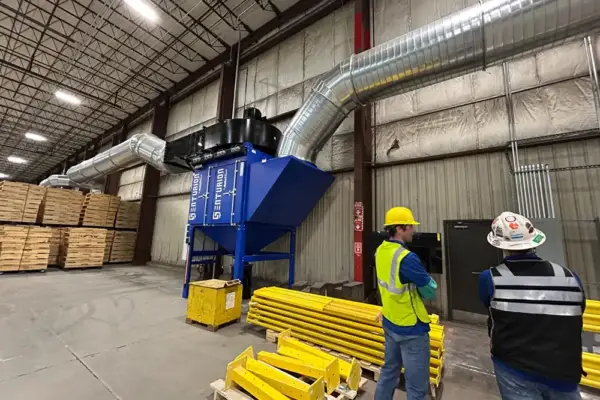
Facility Testing & Evaluation Services
Facility Testing & Evaluation Services Identify indoor air quality problems, improve ventil...
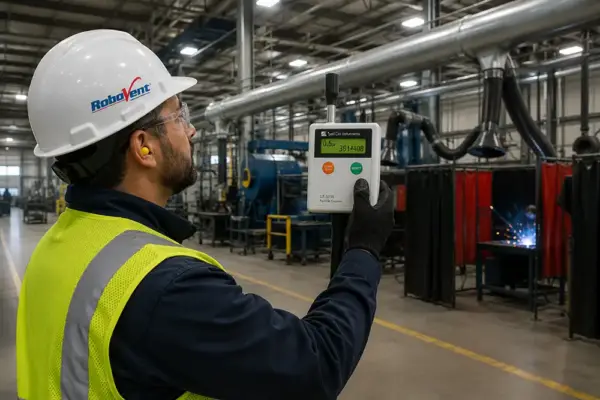
Indoor Air Quality Testing
Indoor Air Quality Testing Measure What’s in Your Air and What It Means for Your Operation C...
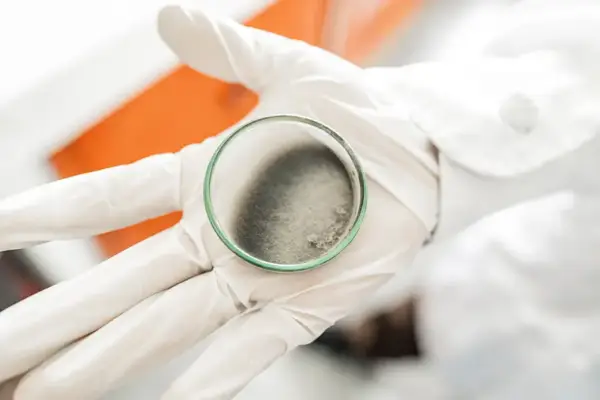
Dust Testing and Analysis
Dust Testing and Analysis Understanding Dust Composition Analysis and What It Means for Your Fa...
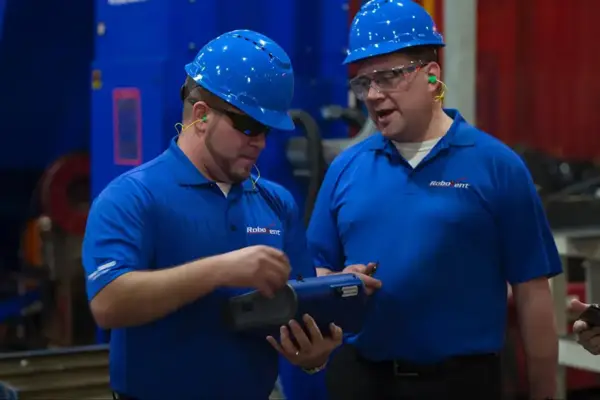
Indoor Air Quality Compliance
Indoor Air Quality Compliance Navigate Workplace Air Quality Regulations with Clarity and Confi...
Frequently Asked Questions
DHA
What is a Dust Hazard Analysis (DHA)?
A Dust Hazard Analysis is a systematic review used to identify and evaluate fire, flash fire and explosion hazards associated with combustible dust in a facility. It examines materials, processes and conditions that could lead to an incident. A thorough DHA evaluates multiple elements including material characteristics, process conditions and hazard mitigation strategies to create a clear and actionable safety plan.
How do I know if my dust is combustible?
You cannot determine whether a dust is combustible based on appearance alone. If your facility generates dust from materials like metals, wood, chemicals, plastics, food, paper or other organic solids, dust testing and material characterization provide the data needed to support a proper Dust Hazard Analysis (DHA) and determine the right risk reduction strategies for your operation.
This testing evaluates key explosibility metrics, including the Kst value (which indicates how quickly a dust explosion can develop) and Pmax (the maximum pressure generated during an explosion). Together, these indices help classify the severity of a potential dust explosion and inform appropriate safety measures.
Is a DHA required for my facility?
Facilities that manufacture, process or handle combustible dust are required to conduct a DHA under NFPA 660, the consolidated standard for combustible dust safety. Requirements depend on the materials and processes involved. Even if a facility is unsure whether it falls under specific requirements, completing a DHA is considered a best practice for identifying and managing potential risks.
Who can perform a DHA?
A DHA is conducted by qualified professionals with expertise in combustible dust hazards and applicable standards. Supporting services, such as dust testing and system evaluation, may involve additional specialists. Working with experienced partners helps ensure the analysis is accurate, thorough and aligned with real-world operating conditions.
What information is needed for a DHA?
A DHA requires detailed information about materials, dust properties, process flows, equipment and facility layout. Accurate data is critical for identifying hazards and developing effective recommendations. This often includes dust testing results, process documentation and an understanding of how dust moves and accumulates throughout the facility.
How often should a DHA be updated?
A DHA should be reviewed and updated periodically, especially when processes, materials or facility conditions change. It is considered an ongoing component of a facility’s safety strategy, not a one-time exercise. Regular updates help ensure that new risks are identified and that existing controls remain effective over time.
Contact Us
Need to schedule a repair or PM appointment? Just fill out the form below. Or call us at (888) 762-6836 to schedule an emergency repair.


