


Dust Collector Retrofitting
Upgrade your existing system to improve performance, increase capacity and meet evolving facility demands.
You don’t always need a new system–somtimes you just need a better one. Dust collector retrofitting allows you to modernize and improve your existing dust collection system to align with current production needs, airflow requirements and compliance standards.
When Your Dust Collection System No Longer Matches Your Facility
Over time, facilities change but their dust collection systems often do not. As production increases, processes evolve and equipment ages, systems that once performed well can begin to fall behind.
Common signs that a retrofit may be needed include:
- Systems that no longer keep up with production demands
- Facility or process changes made without updating the dust collection system
- Aging equipment that still runs but operates inefficiently
- Compliance gaps related to OSHA exposure limits or NFPA combustible dust standards
- Rising maintenance costs and frequent repairs
These issues can lead to poor dust capture, inconsistent airflow, increased energy consumption and greater risk to both workers and operations. Without system updates, performance declines; even if the system is still technically “working.”

Dust Collector Retrofitting Services
Dust collector retrofitting focuses on improving and transforming existing systems through targeted upgrades and modifications. Rather than replacing the entire system, retrofitting enhances performance by addressing specific limitations in capacity, airflow, equipment or layout.
RoboVent provides comprehensive dust collection system retrofit services designed to align your system with current operating conditions and future needs.
This may include:
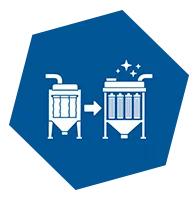
Upgrading Dust Collectors: Replacing outdated equipment or converting to more efficient technologies, such as cartridge collectors, to improve filtration and performance.
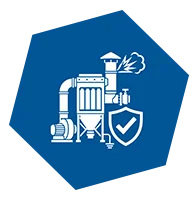
Upgrading for Safety and Compliance: Addressing combustible dust hazards, explosion protection gaps and NFPA 660 compliance requirements through targeted system modifications, including explosion venting, isolation devices, bonding and grounding, and collector placement.
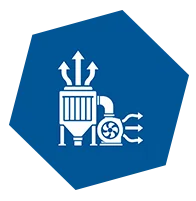
Expanding System Capacity: Increasing airflow and collection capability to support higher production volumes or additional processes.
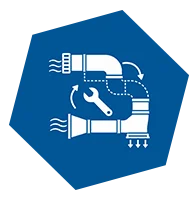
Ductwork Modification and Reconfiguration: Adjusting routing, resizing ductwork or improving transitions to optimize airflow and reduce pressure loss.
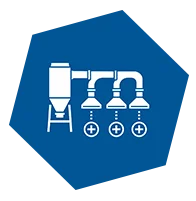
Adding New Pickup Points: Extending the system to capture dust at new or previously unaddressed sources.
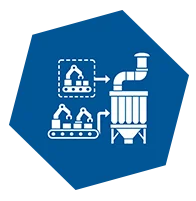
Integrating New Production Lines: Modifying the system to support equipment additions or process changes within the facility.
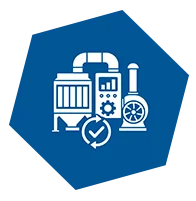
Modernizing System Performance: Updating components, controls and system design elements to improve efficiency, reliability and compliance.
By making strategic physical and system-level improvements, retrofitting allows facilities to extend the life of their dust collection systems while significantly improving performance.
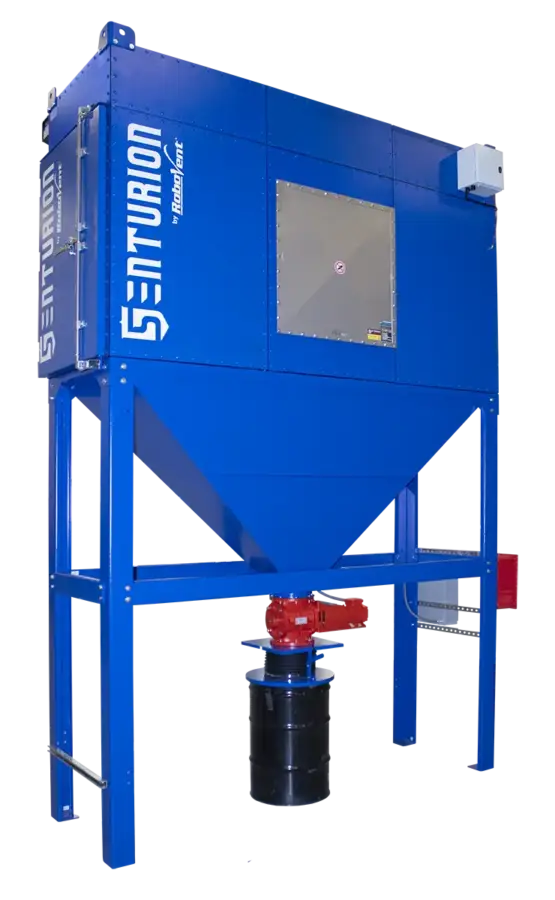
Retrofit Your Dust Collection System with Confidence
Retrofitting an existing system requires more than equipment upgrades; it requires a deep understanding of how the system operates today and how it needs to perform tomorrow. RoboVent brings engineering expertise and real-world installation experience to every retrofit project.
This approach includes:
- System-level evaluation before modification: Every retrofit begins with a detailed understanding of current performance, airflow and system limitations
- Engineered retrofit solutions: Modifications are based on airflow principles and system design best practices, not guesswork
- Seamless integration with existing systems: New components and modifications are carefully aligned with existing infrastructure to ensure compatibility and performance
- Minimized operational disruption: Retrofit work is planned around your production schedule to reduce downtime and maintain productivity
- Performance-driven results: Every change is focused on improving airflow, capture efficiency, system capacity and reliability
By combining engineering insight with practical execution, RoboVent transforms underperforming systems into high-performing assets.
RELATED SERVICES
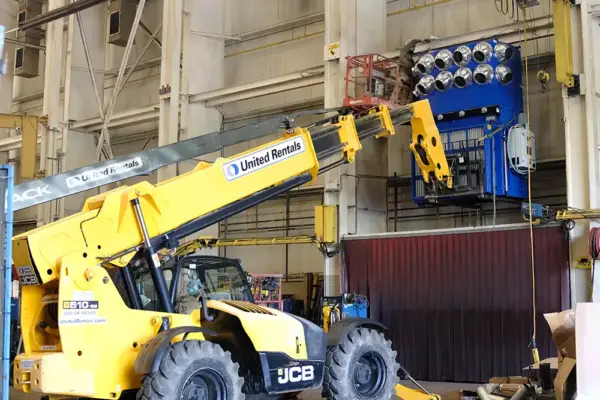
Building a Dust Collection System
Building a Dust Collection System From initial evaluation to long-term performance, we design a...
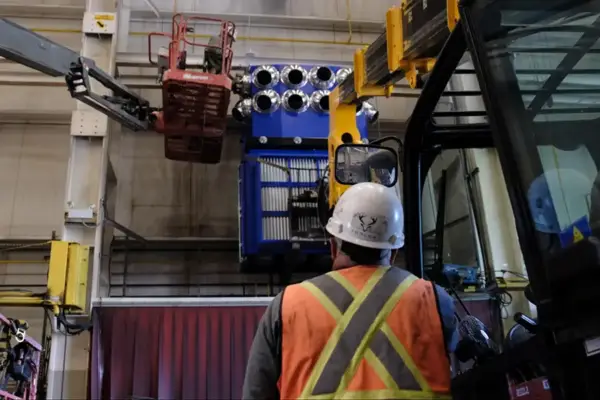
Dust Collection System Installation
Dust Collection System Installation Ensure your system is installed correctly, performs as desi...
Frequently Asked Questions
Retrofitting
What is dust collector retrofitting?
Dust collector retrofitting involves upgrading or modifying an existing dust collection system to improve performance, increase capacity or address operational changes. This can include equipment upgrades, ductwork modifications or system reconfiguration. Retrofitting allows facilities to enhance system effectiveness without fully replacing the system. It is often a cost-effective way to extend system life and improve results.
Is dust collector retrofitting more cost-effective than replacing the system?
Retrofitting is often significantly less expensive than full system replacement, particularly when the existing infrastructure — ductwork, supports, electrical and controls — is still serviceable. By targeting specific performance gaps rather than replacing everything, facilities can achieve meaningful improvements at a fraction of the cost of a new system. However, retrofitting is not always the right answer. When a system has fundamental design limitations, aging infrastructure or cannot be cost-effectively upgraded to meet current demands, full replacement may deliver better long-term value. RoboVent can help evaluate which approach makes more sense for your specific situation.
When should a dust collection system be retrofitted?
A retrofit is typically needed when a system no longer keeps up with production demands, struggles with airflow or requires frequent maintenance. It is also common when facilities add new equipment, expand operations or need to meet updated compliance standards. Even systems that are still operational may benefit from retrofitting if performance has declined. Addressing these issues early can prevent larger system failures.
How is retrofitting different from dust collection system optimization?
Dust collection system optimization focuses on fine-tuning system performance through adjustments such as airflow balancing, maintenance or control changes. Retrofitting involves physical modifications to the system, such as upgrading equipment, changing ductwork or expanding capacity. While optimization improves how a system operates, retrofitting changes the system itself. Both can improve performance, but retrofitting is typically required when structural or capacity limitations exist.
How is retrofitting different from installing a new dust collection system?
Installing a new system involves building a dust collection solution from the ground up, typically for new facilities or major redesigns. Retrofitting focuses on improving an existing system by modifying or upgrading specific components. This allows facilities to enhance performance without the cost and complexity of full replacement. Retrofitting is often the best option when the existing system has a solid foundation but needs improvement.
Contact Us
Need to schedule a repair or PM appointment? Just fill out the form below. Or call us at (888) 762-6836 to schedule an emergency repair.


