


Dust Collection System Optimization
Improve the Performance of Your Dust Collection System
Dust collection system optimization is about making your current system work better—not replacing it.
Many systems are already installed and operational, but small inefficiencies in airflow, filtration or system balance can prevent them from performing at their full potential. RoboVent can fine-tune your system to improve dust collection system efficiency, stabilize performance and reduce operating costs without major structural changes.
Even Functional Dust Collection Systems Can Be Underperforming
A dust collection system can be technically functional while still underperforming. These inefficiencies often go unnoticed until they begin to impact air quality, energy usage or maintenance.
Common signs of underperformance include:
- Uneven airflow across the facility or weak suction at pickup points
- High energy costs due to inefficient airflow or system imbalance
- Frequent filter changes or excessive maintenance
- Inconsistent air quality in different areas of the facility
- Dust escaping capture points or accumulating on surfaces
- Difficulty maintaining OSHA or NFPA compliance over time
These issues are rarely caused by a single failure; they are typically the result of small system imbalances that compound over time.

Dust Collection System Optimization Services from RoboVent
Dust collection system optimization is a targeted system performance assessment and adjustment process focused on improving airflow, efficiency and compliance. It often starts with a dust collection system audit to identify opportunities for improvement.
RoboVent’s dust collector efficiency improvement services include:

Airflow Optimization and System Balancing: Rebalancing airflow across branches to ensure consistent performance at all pickup points.
Damper Adjustments: Fine-tuning dampers to correct airflow distribution and eliminate weak zones.
Leak and Pressure Loss Correction: Identifying and fixing leaks or restrictions that reduce system efficiency.
Filtration Performance Improvements: Optimizing filter loading, cleaning cycles and overall collector performance.
Capture Point Performance Adjustments: Improving airflow at hoods and pickup points for better dust capture.
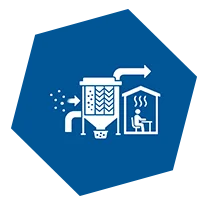
System Imbalance Correction: Addressing inconsistencies that lead to unstable or unpredictable system behavior.

Compliance Alignment: Supporting dust collection compliance improvement for OSHA and NFPA requirements.

Common Optimization Opportunities That Deliver Immediate Impact
In many facilities, performance improvements can be achieved through relatively simple adjustments:
- Rebalancing airflow to eliminate weak suction zones
- Adjusting dampers to improve distribution
- Sealing leaks in ductwork or system connections
- Reducing pressure losses caused by poor routing or restrictions
- Improving filter performance to stabilize airflow
- Correcting system imbalances that impact consistency
These changes can significantly improve dust collector performance improvement, reduce energy consumption and stabilize system operation, without major capital investment.
Trust RoboVent for Dust Collection System Optimization and Efficiency
Effective optimization requires more than small adjustments; it requires understanding how airflow, dust behavior and system components interact.
RoboVent brings:
- Expertise in airflow optimization and industrial dust collection system efficiency
- Experience improving performance across a wide range of applications
- Advanced diagnostic tools to identify inefficiencies and system imbalances
- A data-driven approach focused on measurable performance improvements
- The ability to improve performance without unnecessary system replacement
Rather than making guesswork adjustments, RoboVent delivers targeted improvements that enhance performance where it matters most.


RELATED SERVICES

Dust Collection Systems Design and Engineering
Dust Collection Systems Design and Engineering Industrial dust collection engineering services ...
NFPA Compliance Audit for Dust Collection Systems
NFPA Compliance Audit for Dust Collection Systems Ensure Your Dust Collection System Meets NFPA...
Dust Collection System Audit
Dust Collection System Audit Identify What’s Limiting Your System Performance A dust collect...
Industrial Ventilation System Design
Industrial Ventilation System Design Improving Indoor Air Quality, Comfort and Compliance Throu...
VentMapping® Engineering Services
VentMapping® Engineering Services Engineered Solutions for Complex Dust, Fume & Ventilatio...
Frequently Asked Questions
System Optimization
What is dust collection system optimization?
Dust collection system optimization is the process of improving how an existing system performs by adjusting airflow, capture points, filtration and system design. It focuses on increasing efficiency and effectiveness without necessarily replacing major equipment. Optimization uses real data to identify where performance is being lost. The goal is to create a system that works better under actual operating conditions.
What is the difference between optimization and system redesign?
Optimization improves the performance of your current system through adjustments and fine-tuning. Redesign involves changing system structure, layout or major components. Optimization is typically faster and more cost-effective. It is often the first step before considering larger system changes.
How do I know if my dust collection system needs optimization?
Signs include visible dust in the facility, inconsistent airflow, frequent maintenance issues or poor capture at the source. Increased energy costs and filter wear can also indicate inefficiencies. Changes in processes or materials often impact system performance as well. A system evaluation can confirm whether optimization is needed.
How does dust collection system optimization support OSHA and NFPA compliance?
Optimization helps ensure that dust collection systems effectively control airborne contaminants and combustible dust hazards. By improving system performance, facilities can reduce exposure risks and better align with OSHA air quality standards. It also supports NFPA guidelines for combustible dust safety. A well-optimized system is easier to defend during inspections and audits.
Is optimization more cost-effective than replacing a system?
In many cases, yes. Optimization targets specific inefficiencies, allowing facilities to improve performance without the cost of a full system replacement. This can deliver significant improvements in airflow, efficiency and safety at a lower cost. It also extends the life of existing equipment. Replacement is typically only necessary when systems are fundamentally undersized or outdated.
How often should a dust collection system be optimized?
Optimization should be considered whenever processes, materials or facility layouts change. It is also beneficial when performance issues arise or as part of regular system evaluations. Periodic optimization helps maintain consistent performance over time. Proactive adjustments can prevent larger issues and reduce long-term costs.
Contact Us
Need to schedule a repair or PM appointment? Just fill out the form below. Or call us at (888) 762-6836 to schedule an emergency repair.


