
Indoor Air Quality Compliance
Navigate Workplace Air Quality Regulations with Clarity and Confidence
Air quality compliance in industrial environments requires more than awareness of regulations. It requires a clear understanding of how those standards—especially OSHA air quality compliance requirements and PELs—apply to your facility. With evolving guidelines and increasing scrutiny, staying compliant means staying proactive.
Air quality compliance services help you evaluate current conditions, identify compliance gaps and build a strategy that supports both regulatory alignment and long-term performance.
Compliance Gaps Can Lead to Costly Consequences
Indoor air quality regulations are complex and continuously evolving. Many facilities believe they are compliant until an audit, inspection or incident reveals otherwise.
Workplace air quality is governed by multiple agencies and guidelines, making it difficult to navigate without a structured, data-driven approach. Without a clear compliance strategy, organizations may face regulatory fines and enforcement actions, increased liability related to employee health and safety, and air quality compliance gaps. Facilities that take a proactive approach to facility air quality compliance can:
- Establish a defensible baseline of air quality performance
- Adapt more easily to changing regulations
- Reduce risk of enforcement actions and compliance gaps
- Align operational decisions with long-term safety goals
- Create a safer, more consistent work environment

Air Quality Compliance Services from RoboVent
Air quality regulatory compliance involves evaluating your facility against applicable standards, identifying areas of risk and implementing strategies to meet or exceed those requirements. It connects air quality data with regulatory expectations to ensure your operation is both safe and defensible. Rather than focusing on a single metric or agency, compliance requires a comprehensive view; one that considers workplace exposure, environmental impact and industrial ventilation compliance practices.
RoboVent’s air quality compliance services may include:
Air Quality Assessments and Audits: Establishing a baseline of current conditions through facility-wide testing and evaluation.
Exposure Monitoring Compliance Support: Understanding how airborne contaminants impact employees throughout their workday.
Compliance Gap Analysis: Identifying discrepancies between current conditions and applicable standards or guidelines.

Strategy Development: Creating a practical roadmap to address compliance risks and improve air quality performance.
System Evaluation & Recommendations: Aligning ventilation, filtration and dust collection systems with compliance goals.

Ongoing Monitoring & Documentation Support: Supporting long-term compliance through tracking, reporting and performance validation.

Why RoboVent for Industrial Air Quality Compliance and Ventilation Expertise
Air quality compliance is not just about understanding regulations, it’s about applying them effectively in real-world environments. RoboVent brings:
- Expert knowledge of indoor air quality standards and industrial hygiene
- Experience translating regulatory requirements into practical solutions for industrial ventilation and dust collection
- Expertise in air quality testing, industrial ventilation system design and dust collection optimization
- A data-driven approach to indoor air quality compliance rooted in actual facility conditions
Rather than simply identifying air quality compliance issues, RoboVent helps you understand what they mean and how to address them in a way that supports both safety and performance.
RELATED SERVICES
Facility Testing & Evaluation Services
Facility Testing & Evaluation Services Identify indoor air quality problems, improve ventil...
Dust Hazard Analysis (DHA) Support
Dust Hazard Analysis (DHA) Support Strengthen Your Dust Hazard Analysis with the Right Data and...
Indoor Air Quality Testing
Indoor Air Quality Testing Measure What’s in Your Air and What It Means for Your Operation C...

Dust Testing and Analysis
Dust Testing and Analysis Understanding Dust Composition Analysis and What It Means for Your Fa...
Frequently Asked Questions
Indoor Air Quality Compliance
Which standards apply to industrial air quality compliance?
Air quality compliance in industrial facilities typically involves multiple frameworks that serve different functions.
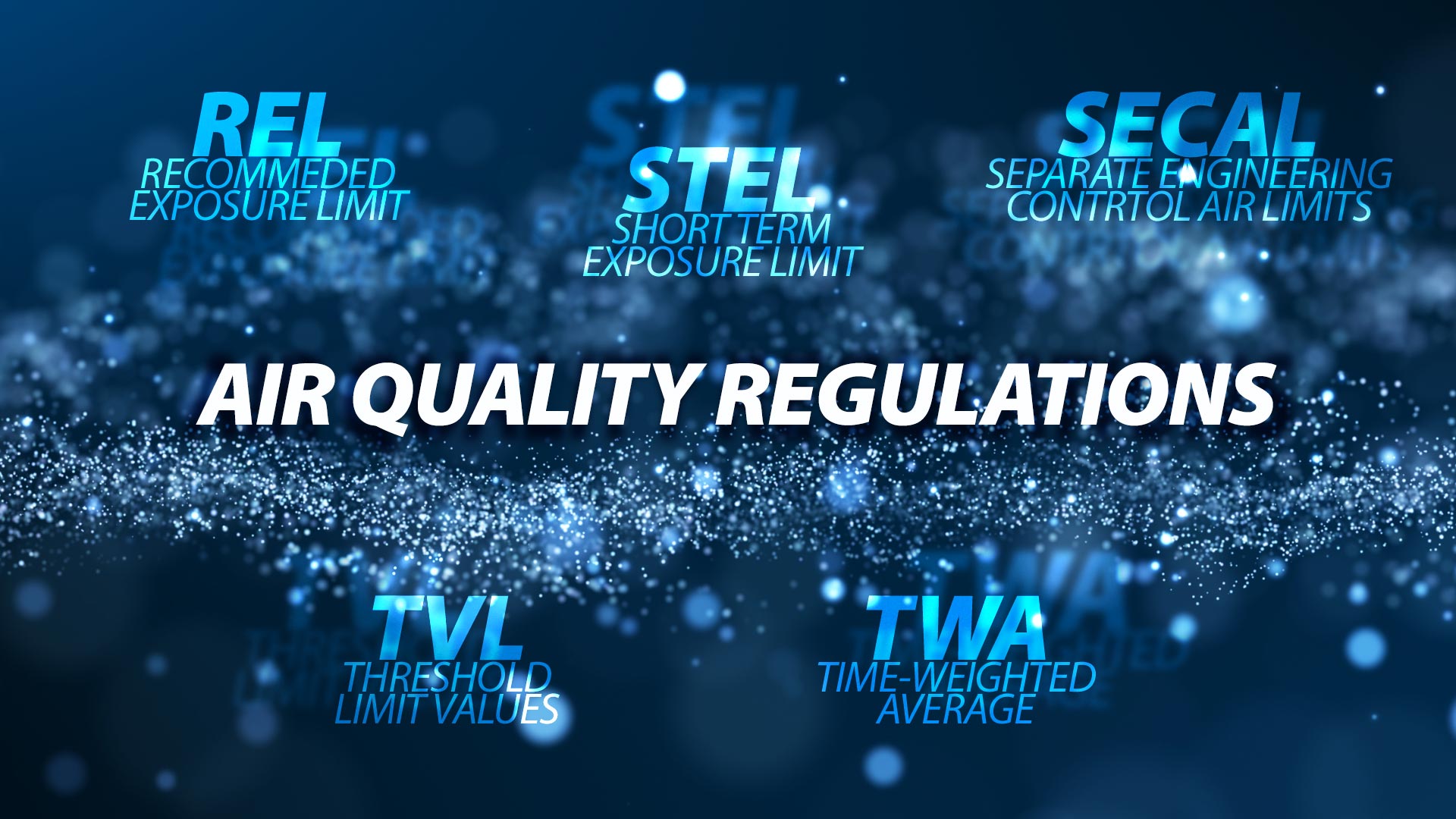
- OSHA establishes legally enforceable permissible exposure limits (PELs) for workplace contaminants; these are the regulatory floor.
- ACGIH threshold limit values (TLVs) and NIOSH recommended exposure limits (RELs) are not enforceable regulations but are widely used as benchmarks because they reflect current health-based science and are generally more protective than OSHA PELs.
- EPA standards govern environmental emissions and ambient air quality rather than worker exposure directly.
The specific combination of standards that applies to your facility depends on your processes, materials and location.
How can I determine if my facility is compliant?
The most reliable way to determine compliance is through a formal air quality compliance assessment or audit. This process measures current conditions, compares them to applicable standards and identifies any gaps that need to be addressed.
What are the risks of noncompliance?
Noncompliance with industrial air quality regulations can lead to fines, enforcement actions, operational disruptions and increased liability, especially if employee health or environmental impact is affected. It can also damage reputation and create long-term operational challenges.
Is air quality compliance a one-time process?
No, industrial air quality compliance is ongoing. As regulations evolve and facility conditions change, regular monitoring and adjustments are necessary to maintain alignment and reduce risk over time.
Contact Us
Need to schedule a repair or PM appointment? Just fill out the form below. Or call us at (888) 762-6836 to schedule an emergency repair.


