


Dust Collection System Audit
Identify What’s Limiting Your System Performance
A dust collection system audit is the first step in fixing an underperforming system. As production evolves—new processes, different dust types or increased throughput—systems that once worked well can quickly fall out of balance.
Dust collection systems often struggle not just from wear, but from no longer matching current conditions. RoboVent provides detailed dust collection system assessments to pinpoint where performance is breaking down and why, giving you a clear path to restore efficiency, airflow and control.
If Your Dust Collection System Isn’t Performing, It’s Creating Risk
Many facilities move straight to upgrades or adjustments without fully understanding the root cause of performance issues. Without a structured dust system evaluation, this often leads to temporary fixes instead of long-term solutions.
When system issues go undiagnosed, facilities may experience:
- Poor capture of dust at critical process points
- Airflow imbalances that reduce system effectiveness
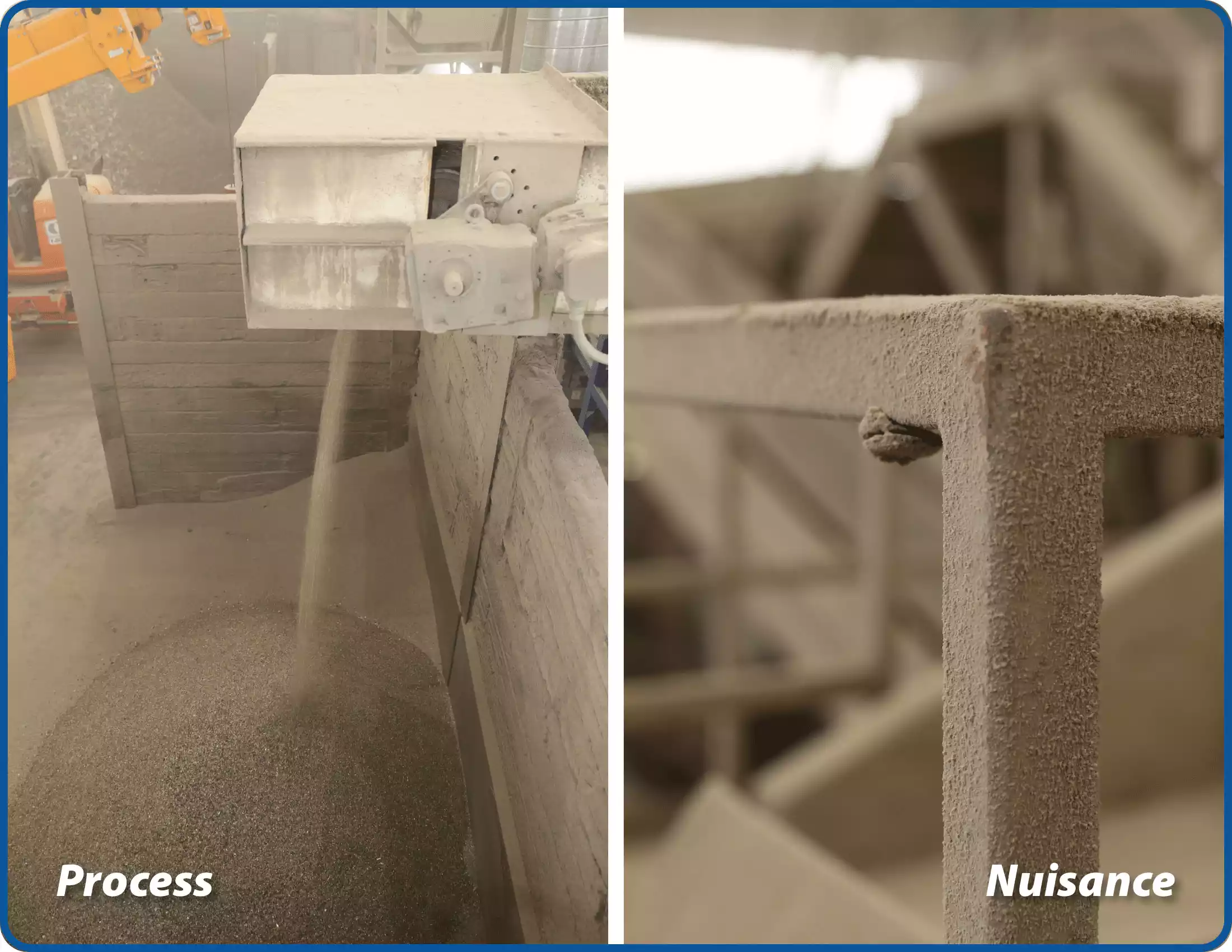
- Dust escaping into the facility and spreading across work areas
- Accumulation of nuisance dust on surfaces and equipment
- Increased maintenance and operational inefficiencies
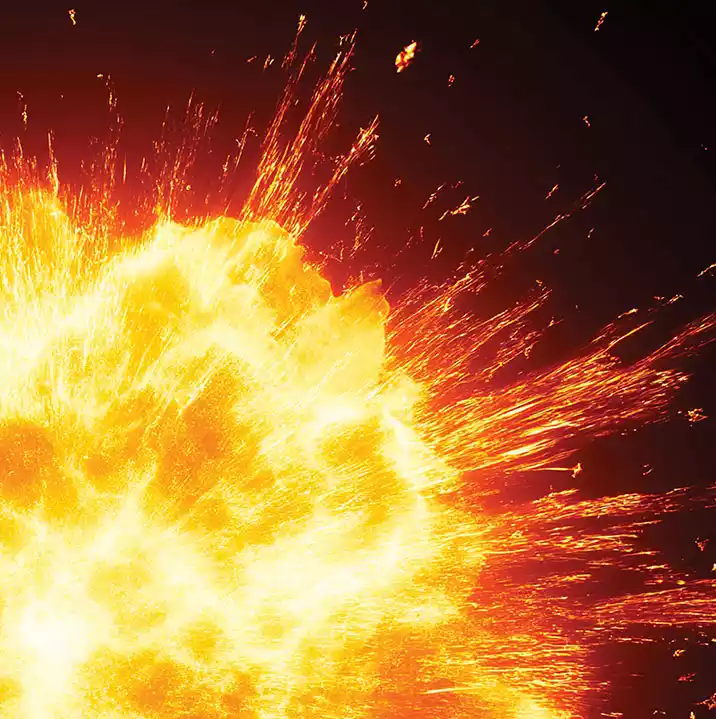
- Hidden compliance gaps related to OSHA or NFPA requirements
- Ongoing troubleshooting without resolving the underlying issue
A dust collection system audit is not about fixing the system yet. It’s about understanding exactly what is wrong so it can be fixed correctly.

Dust Collection System Audit Services from RoboVent
NFPA dust collection compliance is ultimately achieved through proper system design and engineering controls, not just documentation. RoboVent can help you audit your dust collection system for NFPA compliance and recommend improvements to bring your system up to the standards.
Key system design considerations include:

Airflow Measurement and Analysis: Conducting an airflow performance audit to measure air volume, velocity and pressure throughout the system.

System Inspection and Evaluation: Inspecting collectors, ductwork, hoods and system components for wear, leaks and improper configuration.

Bottleneck and Failure Identification: Identifying restrictions, airflow losses and system limitations that reduce performance.

Capture Effectiveness Assessment: Evaluating how well dust is being captured at the source.

Dust Migration and Accumulation Analysis: Understanding where dust is escaping, settling or recirculating.

Compliance Gap Identification: Reviewing system alignment with OSHA air quality standards and NFPA combustible dust requirements.
This process provides a clear, data-backed understanding of system performance and a solid basis for making upgrade, replacement or retrofit decisions.

Dust Collection System Assessment Expertise
Diagnosing a dust collection system requires more than a visual inspection—it requires understanding how airflow, dust behavior and system components interact.
RoboVent brings:
- A science-based approach to dust collection system engineering based on ACGIH standards and the physics of airflow
- Expertise in airflow performance audits and industrial dust system evaluation
- Experience identifying hidden inefficiencies across complex systems
- Advanced tools for measuring airflow, pressure and system behavior
- Ability to connect audit findings to next steps, including optimization and compliance
- A data-driven approach focused on accurate diagnosis before action
Rather than guessing at solutions, RoboVent helps you define the problem clearly first.

RELATED SERVICES

Dust Collection Systems Design and Engineering
Dust Collection Systems Design and Engineering Industrial dust collection engineering services ...
NFPA Compliance Audit for Dust Collection Systems
NFPA Compliance Audit for Dust Collection Systems Ensure Your Dust Collection System Meets NFPA...
Dust Collection System Optimization
Dust Collection System Optimization Improve the Performance of Your Dust Collection System Dus...
Industrial Ventilation System Design
Industrial Ventilation System Design Improving Indoor Air Quality, Comfort and Compliance Throu...
VentMapping® Engineering Services
VentMapping® Engineering Services Engineered Solutions for Complex Dust, Fume & Ventilatio...
Frequently Asked Questions
System Audit
What is a dust collection system audit?
A dust collection system audit is a comprehensive evaluation of how well your current system captures, transports and filters airborne dust. It includes analyzing airflow, equipment performance and dust behavior throughout the facility. The goal is to identify inefficiencies, risks and opportunities for improvement. This process helps ensure your system is performing as intended and supporting overall air quality goals.
What is the difference between a dust collection system audit and optimization?
An audit identifies what is wrong with the system, while optimization focuses on improving performance. The audit is the diagnostic phase, where data is collected and analyzed. Optimization comes after, using that data to make targeted improvements. Skipping the audit can lead to ineffective solutions.
Why is a dust collection system audit important?
Over time, system performance can decline due to wear, process changes or improper airflow balance. Without regular evaluation, these issues can lead to poor dust control, increased exposure and higher maintenance costs. An audit helps uncover hidden inefficiencies before they become major problems. It also provides the data needed to make informed decisions about system improvements.
What does an airflow performance audit include?
An airflow performance audit measures air volume, velocity and pressure throughout the system. This helps identify imbalances, restrictions and inefficiencies. Proper airflow is critical for effective dust capture and transport. Without accurate measurements, it is difficult to diagnose system issues.
What issues can a dust collection system audit identify?
An audit can reveal a wide range of issues, including poor source capture, airflow imbalances, duct leaks, equipment inefficiencies and dust accumulation. It can also identify whether dust is being recirculated or escaping into the facility. In combustible dust environments, audits can highlight potential safety risks. These insights help prioritize corrective actions and improve overall system performance.
How does an audit help with OSHA and NFPA compliance?
A dust collection system audit provides the data needed to evaluate compliance with OSHA air quality standards and NFPA combustible dust guidelines. By identifying gaps in system performance, facilities can address exposure risks and safety concerns proactively. This supports a more defensible compliance strategy during audits or inspections. It also helps ensure systems are aligned with current regulations and best practices.
When should a dust collection system be audited?
Audits are recommended when installing new equipment, changing processes or experiencing air quality issues. They are also valuable when preparing for compliance audits or investigating safety concerns. Regular audits can help maintain consistent system performance over time. Proactive evaluation is often more cost-effective than reactive fixes.
Can an existing dust collection system be improved without replacement?
Yes, many systems can be significantly improved through optimization rather than full replacement. Adjustments to airflow, duct design, capture points or filtration can enhance performance. An audit identifies where these improvements can be made. This approach helps facilities maximize the value of their existing system while improving safety and efficiency.
Contact Us
Need to schedule a repair or PM appointment? Just fill out the form below. Or call us at (888) 762-6836 to schedule an emergency repair.


