

Facility Testing & Evaluation Services
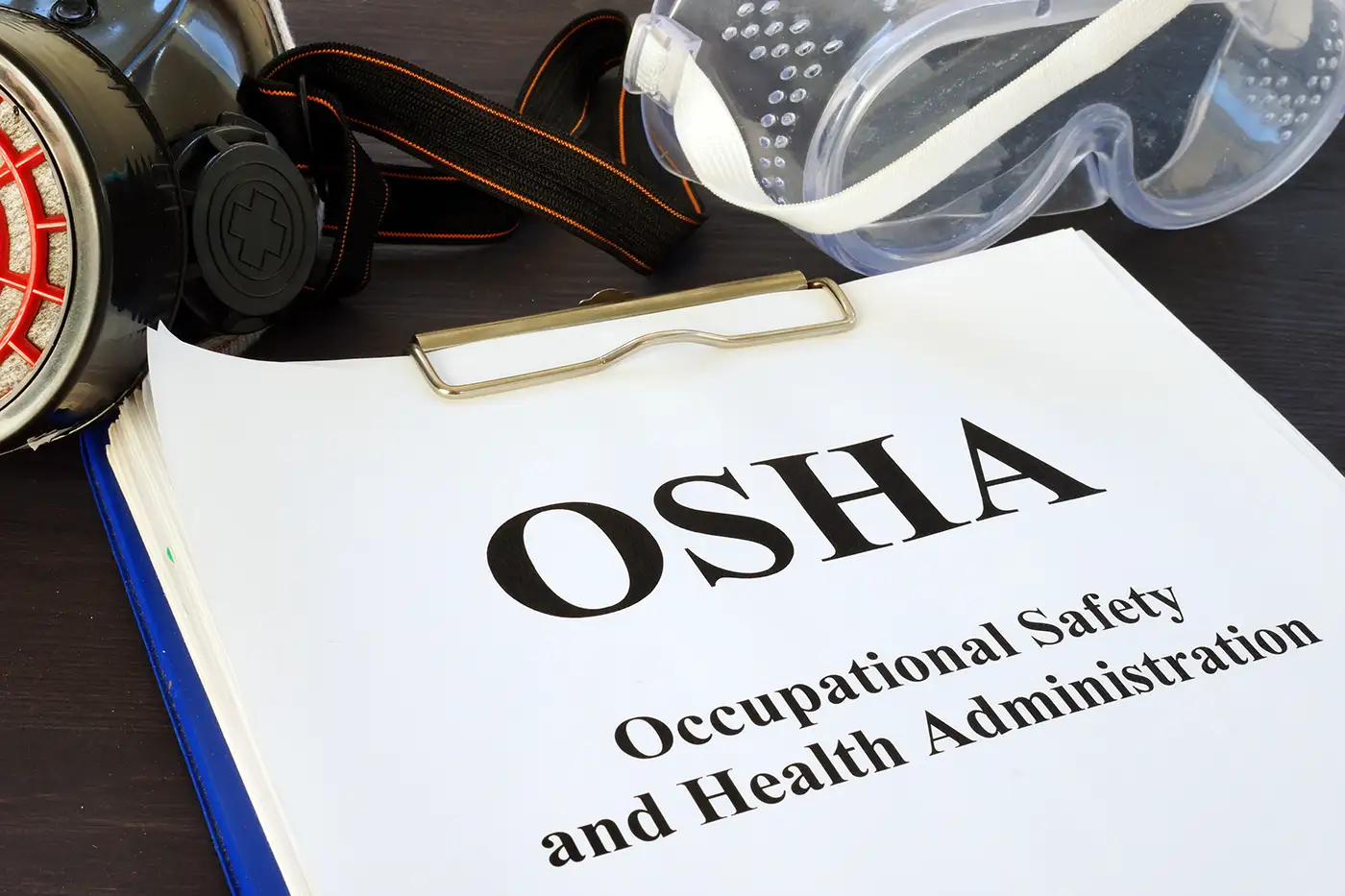
Identify indoor air quality problems, improve ventilation performance and support OSHA compliance.
Clean air starts with understanding your current conditions. Facility testing and evaluation services provide the data needed to identify airborne contaminants, assess ventilation performance and determine whether your facility is operating safely, efficiently and in compliance with applicable health and safety regulations. This is critical not only for protecting worker health and safety, but also for reducing liability, avoiding costly violations and maintaining uninterrupted operations.
What Air Quality Problems Exist in Your Facility?
Common challenges include:
- Unrecognized exposure and regulatory compliance risks
- Hidden health and safety hazards for workers, including airborne contaminants and combustible dust
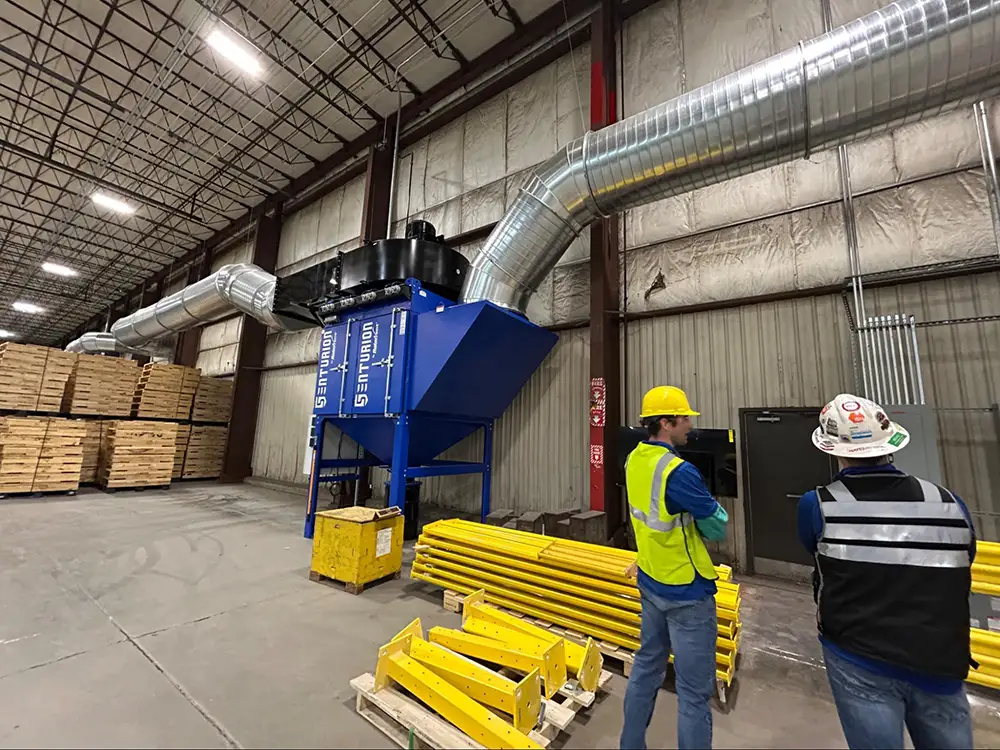
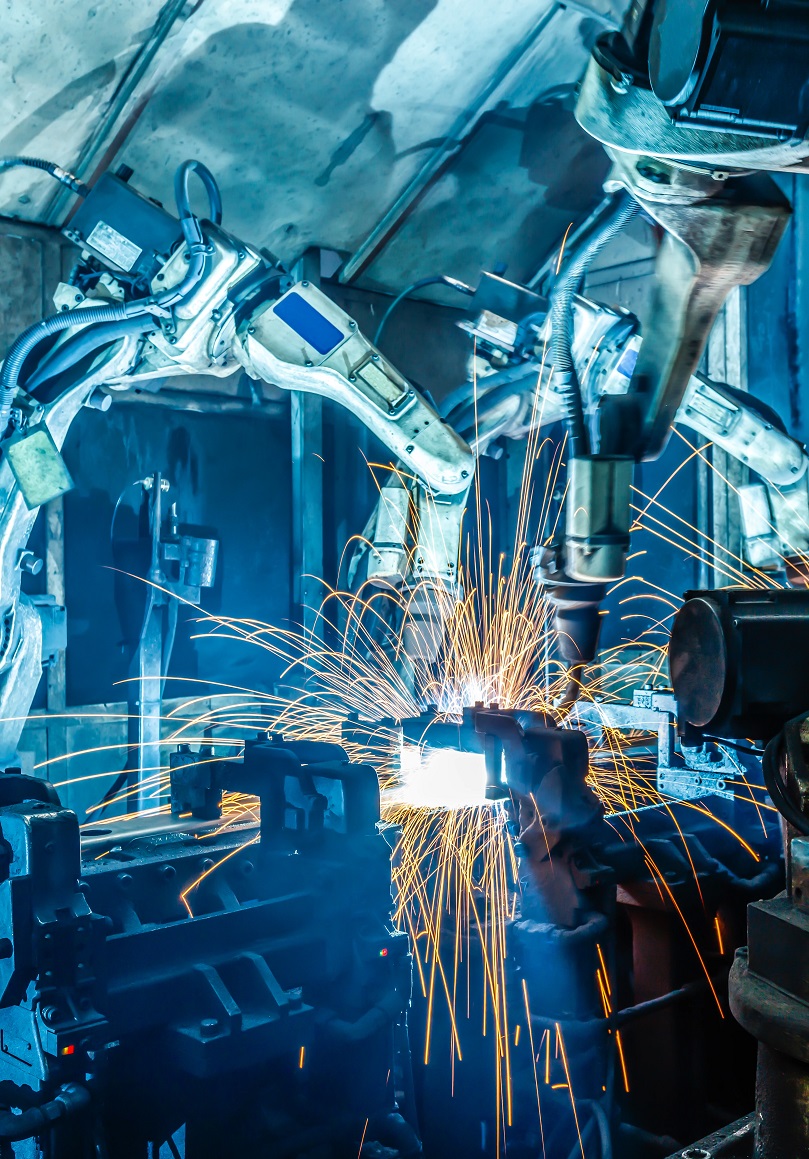
- Poorly performing dust collection and ventilation systems impacting efficiency and control
- Lack of reliable baseline data on facility conditions to guide design, upgrades or optimization
Without measurement and analysis, these issues can persist, increasing risk, reducing efficiency and making it difficult to plan effective improvements.

The Experts in Facility Testing & IAQ Evaluation Services
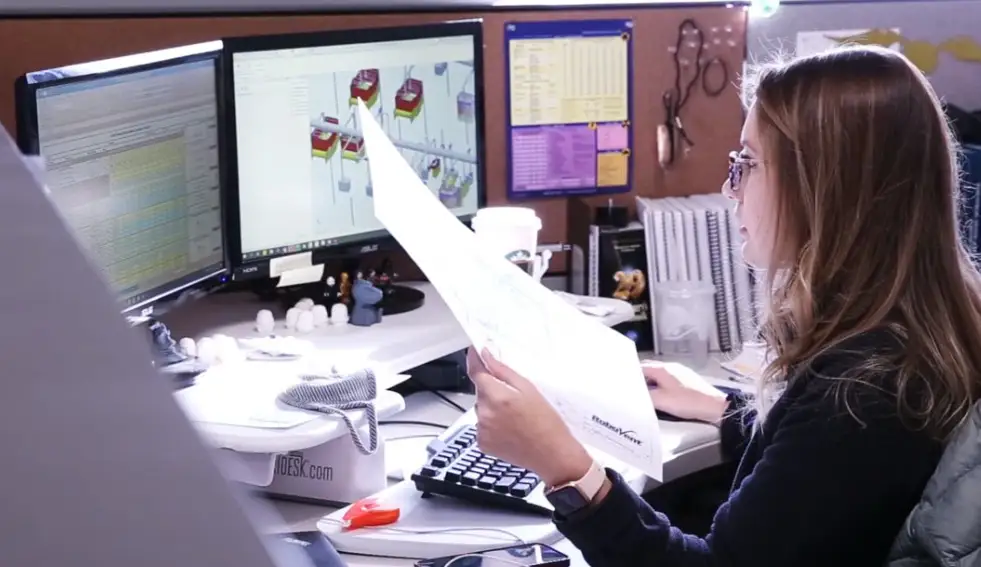
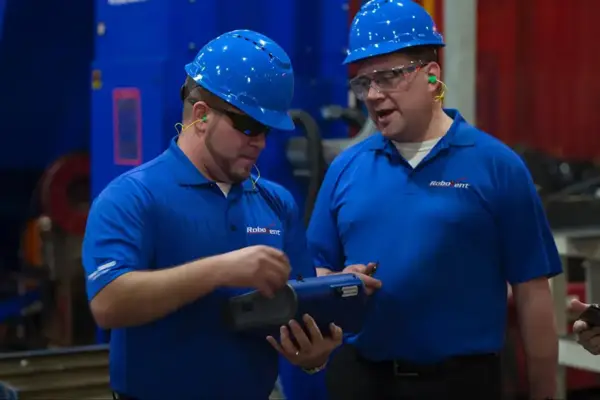
RoboVent’s approach is grounded in decades of experience in industrial air filtration and ventilation engineering. Each facility is evaluated as a complete system, considering processes, equipment, airflow and the people working within the environment. This integrated approach helps manufacturers move from identifying problems to implementing effective, long-term solutions. Facility testing and evaluation is the first step in our proprietary, science-based VentMapping engineering process.

RELATED SERVICES
Indoor Air Quality Testing
Indoor Air Quality Testing Measure What’s in Your Air and What It Means for Your Operation C...
Dust Hazard Analysis (DHA) Support
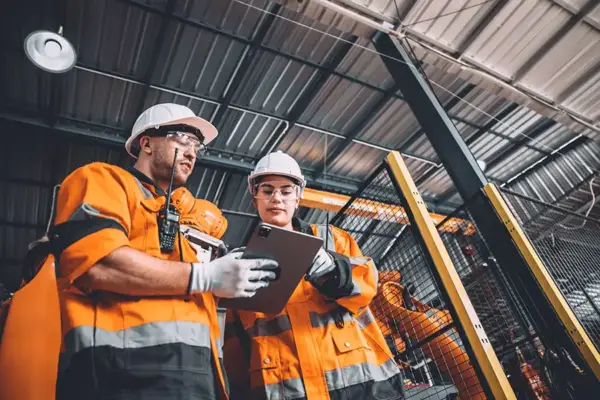
Dust Hazard Analysis (DHA) Support Strengthen Your Dust Hazard Analysis with the Right Data and...
Indoor Air Quality Compliance
Indoor Air Quality Compliance Navigate Workplace Air Quality Regulations with Clarity and Confi...
Dust Testing and Analysis
Dust Testing and Analysis Support Understanding Dust Composition Analysis and What It Means for...
Frequently Asked Questions
Facility Testing
What standards apply to industrial air quality?
Workplace air quality is commonly evaluated against OSHA permissible exposure limits (PELs). Many manufacturers also reference ACGIH guidelines, which are often more conservative. Facilities with combustible dust must also consider NFPA standards, particularly when evaluating explosion risks and mitigation requirements.
What is facility testing and evaluation for indoor air quality?
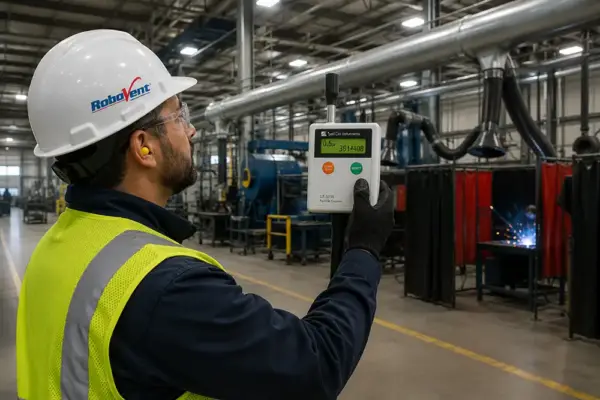
Facility testing and evaluation involves measuring airborne contaminants, analyzing airflow and assessing system performance to understand current air quality conditions. This process helps identify risks, inefficiencies and opportunities for improvement. It also establishes a baseline that can be used to guide future system design, upgrades or compliance initiatives.
How do I know if my facility has air quality problems?
Air quality issues are not always visible. Dust accumulation, inconsistent airflow, employee concerns or increased maintenance can indicate a problem, but testing is required to accurately measure contaminant levels and exposure risks. Even facilities that appear to be operating normally may have hidden issues that only data can reveal.
What is included in an industrial air quality evaluation?
An evaluation may include air quality testing, airflow analysis, exposure monitoring and system assessment. The goal is to establish a baseline and identify areas where air quality or system performance can be improved. Findings are often used to support engineering decisions, compliance efforts and long-term operational planning.
When should a facility be evaluated?
Facilities should consider evaluation when installing new equipment, modifying production processes, preparing for compliance audits or when air quality concerns arise. Regular evaluations can also help maintain consistent performance over time and ensure systems continue to operate as intended as conditions change.
CONTACT US
Need to schedule a repair or PM appointment? Just fill out the form below. Or call us at (888) 762-6836 to schedule an emergency repair.


