


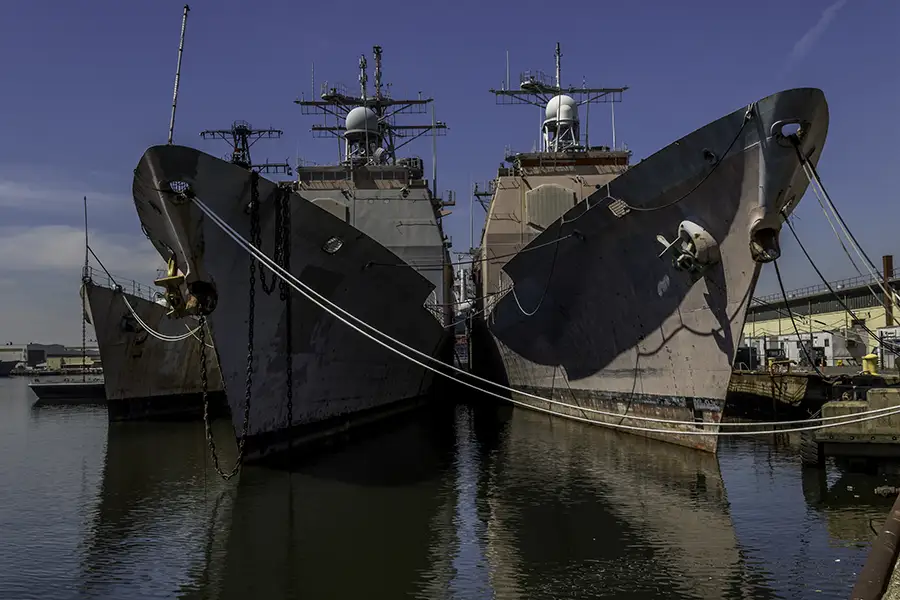
RoboVent Solutions for Shipbuilding and Naval Maintenance
 Naval shipyards present a unique set of challenges for dust and fume control: vast workspaces, variable weather, confined quarters and massive assemblies that defy traditional containment. RoboVent delivers engineered air quality solutions that adapt to these complex conditions, supporting safe, efficient production and maintenance.
RoboVent has solutions for:
- Portable Weld Fume Extraction: Fume guns and compact portable weld fume extractors like ProCube™ and Fume Eliminator™ provide mobile source capture for welding on large ship structures where containment isn’t possible.
- Modular and Versatile Dust, Fume and Mist Solutions: RoboVent and VentBoss™ systems offer flexible options for grinding, blasting, painting and engine maintenance across variable shipyard work zones.
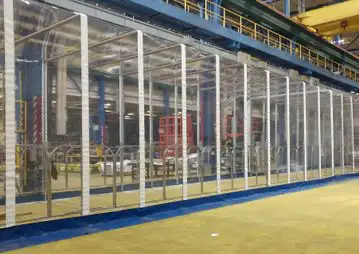
- Modular Containment with DuroRoom™: Deploy retractable, code-compliant enclosures to isolate high-particulate processes like engine rebuilds, component welding and painting—even within open bays or deck-side setups.
- Ambient Air Filtration Systems: Systems like the Vortex™ ductless ambient air filtration system reduce background dust and fumes in large welding shops, grinding rooms and enclosed refit areas.
- Oil Mist and Coolant Collection: Capture fine mists from engine refurbishment, powertrain repair, and hydraulic system service to prevent air quality degradation.
- Spark and Combustible Dust Mitigation: NFPA-compliant systems for safe handling of aluminum and steel dust during plate cutting, abrasive blasting, and grinding—critical in high-volume shipbuilding environments.
Related Resources
Dust and Fume Control Needs in Naval Shipyards
 Naval shipyards are home to some of the most heavy-duty, high-particulate industrial processes anywhere in defense manufacturing. These environments involve cutting, welding, grinding and surface treatment of massive steel and aluminum structures—often in open-air, confined or mobile work zones. RoboVent helps protect shipbuilders and maintainers across these demanding applications:
- Thermal Cutting and Plate Fabrication: Hand plasma cutting, thermal lancing and beveling of thick steel and aluminum plates generate sparks, fine metal particulates and combustible dust, especially during hull and deck fabrication.
- Welding and Thermal Joining: Manual and semi-automated welding processes release hazardous weld fumes containing hexavalent chromium, manganese and other toxic metals across structural and outfitting applications.
- Grinding, Sanding and Surface Finishing: Weld cleanup, edge prep and structural smoothing operations create airborne metal dust that can be harmful and combustible if not controlled.
- Abrasive Blasting and Paint Removal: High-pressure abrasive blasting to strip coatings or prep surfaces generates large volumes of airborne debris requiring effective capture and containment.
- Painting and Coating Operations: Application of protective primers and marine coatings introduces overspray, VOCs and potentially flammable particulates that must be controlled.
- Engine and Propulsion System Maintenance: Refitting or repairing engines, turbines and power systems generates oil mist, welding fumes and fine particulates in enclosed spaces.
- Component Fabrication and Assembly: Cutting, drilling, fastening and light welding during outfitting or subassembly work contribute to background dust and may require ambient air filtration or source capture dust control.
this process provides combustible dust as well
Air Quality Challenges in Shipyards and Naval Facilities
 Naval shipyards combine the scale of heavy industry with the complexity of confined, corrosion-prone and compliance-intensive environments. From hull welding for war ships and submarines to engine overhauls, maintaining safe air quality in these facilities requires rugged systems that can adapt to challenging conditions and protect workers performing high-risk tasks.
- Large, Open Workspaces: Ship and submarine hulls, decks and superstructures are too large for traditional enclosures, requiring mobile or operator-mounted extraction systems that bring source capture to the work.
- Confined and Enclosed Spaces: Interior spaces like holds, tanks and compartments concentrate fumes and particulates, demanding localized ventilation and fume removal to protect welders and fitters.
- Combustible Dust and Fire Hazards: Cutting and grinding steel and aluminum plates can create combustible dust accumulations, especially in blasting and coating prep areas where spark mitigation is essential.
- Salt Air and Moisture Exposure: Equipment must function reliably in high-humidity, corrosive environments without degrading filtration performance or risking electrical failure.
- Frequent Task and Layout Changes: Work zones shift constantly in dry docks and outfitting yards, requiring dust and fume control systems that are flexible, mobile and fast to reposition.
- Audit and Compliance Pressures: Military and defense shipyards must meet OSHA, NFPA, NAVSEA and MIL-STD requirements while documenting exposure mitigation and environmental safety for compliance audits.
Health Risks from Airborne Contaminants in Shipbuilding
Shipyard workers are exposed to a wide range of airborne hazards during fabrication, outfitting and maintenance activities. Without proper dust and fume control, these exposures can lead to serious respiratory, neurological and systemic health conditions—especially when working in enclosed or poorly ventilated areas.
- Weld Fumes and Metal Vapors: Welding on steel and coated metals for warships, submarines and UAVs releases hexavalent chromium, manganese, nickel and zinc oxide, which are linked to lung damage, neurological issues and cancer.
- Particulate from Cutting and Grinding: Fine dust from thermal cutting and mechanical surface prep can penetrate deep into the lungs, increasing the risk of chronic bronchitis and occupational asthma.
- Combustible or Reactive Dusts: Dust from aluminum, magnesium or coated surfaces may not only ignite but also irritate the respiratory tract, particularly in confined compartments.
- Paint and Coating Vapors: Spray applications of primers and marine coatings release volatile organic compounds (VOCs) that can cause headaches, skin and eye irritation, and long-term respiratory problems.
- Oil Mist and Solvent Residues: Maintenance and cleaning operations can generate airborne mists and vapors that contribute to poor indoor air quality and irritant exposure over time.
RoboVent solutions are engineered to minimize these risks, supporting a safer, more breathable environment for shipbuilders and maintenance crews.
Compliance with Worker Safety and Air Quality Standards in Naval Yards
Military shipyards and naval contractors operate under some of the most rigorous air quality and safety standards in industry. Meeting these expectations requires systems designed not only for performance, but for documentation, traceability and full regulatory alignment across federal, military and occupational frameworks.
- OSHA 29 CFR 1910: Governs exposure limits for airborne contaminants including hexavalent chromium, manganese, welding fume and fine metal dust—especially critical during steel and alloy work.
- NFPA 660 and Combustible Dust Codes: Establish requirements for dust hazard analysis, spark control and explosion mitigation, relevant in cutting, grinding and blasting operations.
- NAVSEA Standards and Mil-Specs: May include facility-specific protocols for air quality monitoring, filtration performance, fume containment and shipboard safety compliance.
- ISO 14644 (Clean Manufacturing Areas): Applies to precision assembly and electronics installation areas that demand controlled air environments during outfitting or repair.
- Environmental and Occupational Health Requirements: Facilities may be subject to DOEHRS or other military-driven systems, requiring exposure monitoring, engineering controls and documentation for inspections or audits.
RoboVent helps defense shipyards meet these standards with rugged, auditable systems designed for compliance and long-term performance.

Built for the Demands of Defense Manufacturing
Military shipbuilding and repair operations leave no room for compromise on quality, compliance or worker safety. That’s why shipyards and defense contractors turn to RoboVent for air quality solutions engineered to perform in the toughest dockside environments.
With deep experience supporting the nerds of heavy industry and a team that includes veterans who understand the mission, we design systems that solve real-world problems. From mobile weld fume extraction to modular enclosures and spark mitigation, we help shipbuilders protect their people and keep operations moving.
Ready to align your air quality systems with defense-grade performance? Talk to RoboVent.
Ready to build a safer, more compliant workspace?
Talk to our team about air quality solutions built for defense environments—by people who understand the mission.
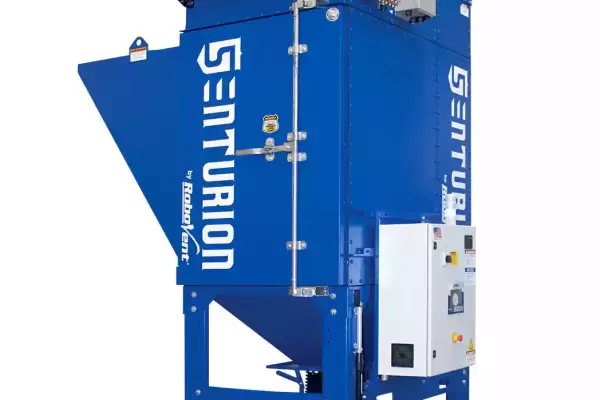
Senturion
Senturion Modular Dust Collector ONE TOUGH DUST COLLECTOR. COUNTLESS APPLICATIONS. Senturion i...
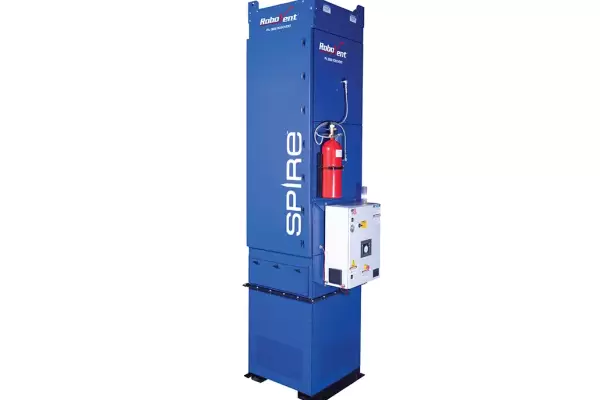
Spire Series
Spire Series Robotic Weld Fume Extractor ROBOTIC WELD FUME CONTROL TAILORED TO YOU Don't pay f...
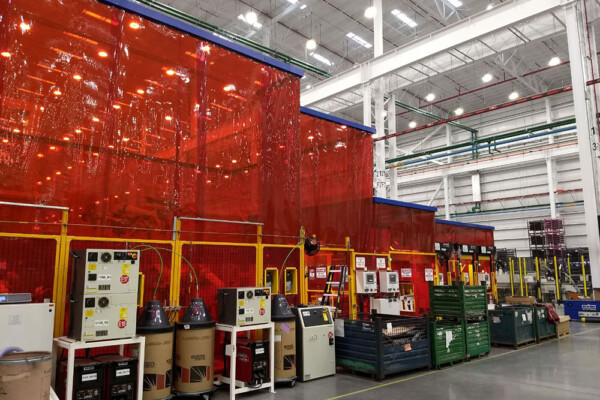
Welding Booth for Robotic Welding Cells
Streamline Hood™: Robotic Welding Hood A modular industrial hood engineered for efficient sou...
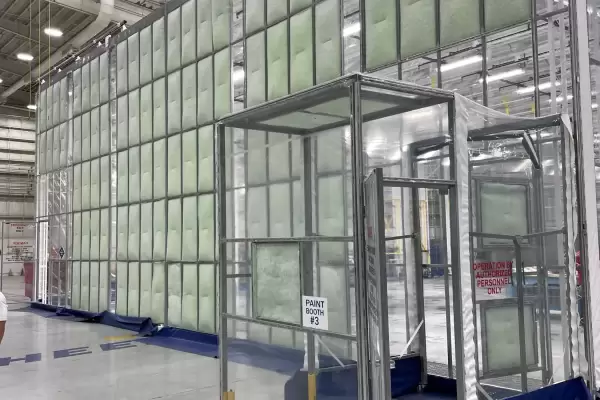
DuroRoom
Retractable Industrial Enclosures DuroRoom™ is a flexible process containment system engineer...
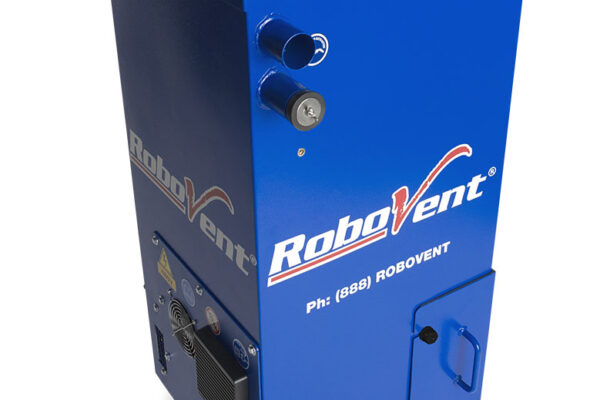
ProCube II
ProCube II Portable Weld Fume Extractor | RoboVent HI-VAC FILTRATION FOR MANUAL AND ROBOTIC WEL...
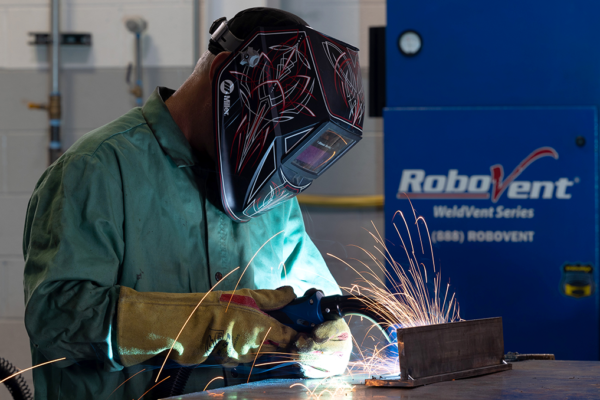
MIG Fume Guns
MIG Fume Extractor Gun XFUME™ FUME EXTRACTION WELDING GUNS Protect welders by collecting wel...
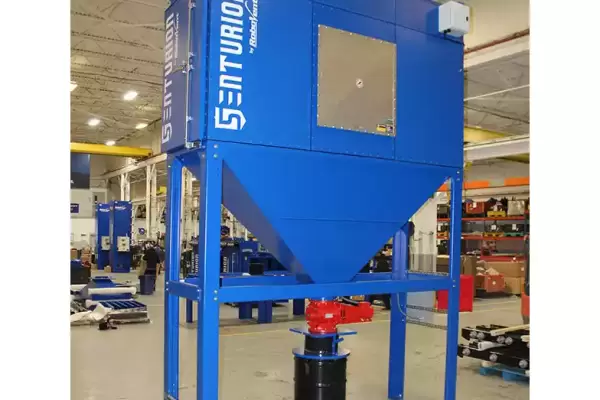
Deflagration System
Protecting your workers and facility from the risks of combustible dust, RoboVent's Deflagratio...
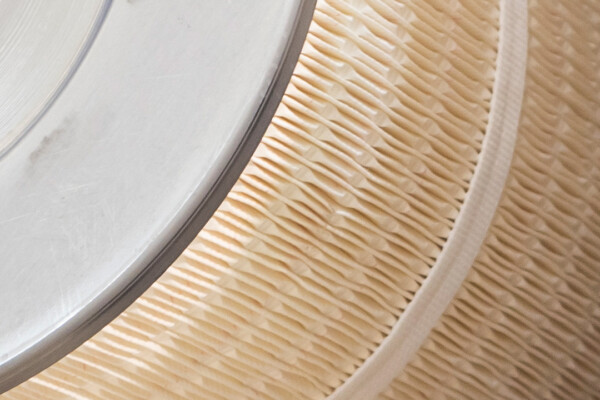
PleatLock Dust Collector Cartridge Filters
PLEATLOCK DUST COLLECTOR CARTRIDGE FILTERS Why PleatLock? 35% more media extends filter life a...
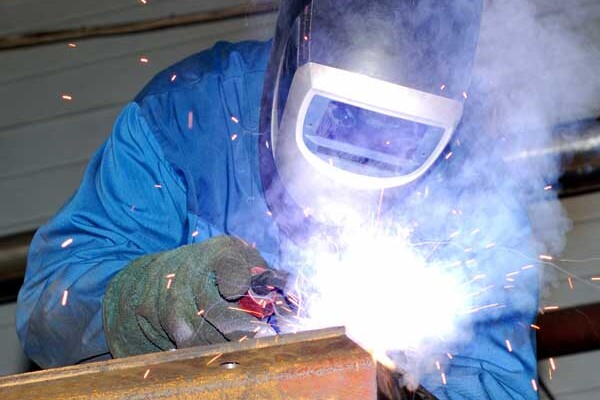
Welding Fumes Collection
EXPOSURE RISKS FOR WELDING FUMES Weld fumes are a particularly dangerous inhalation risk because...
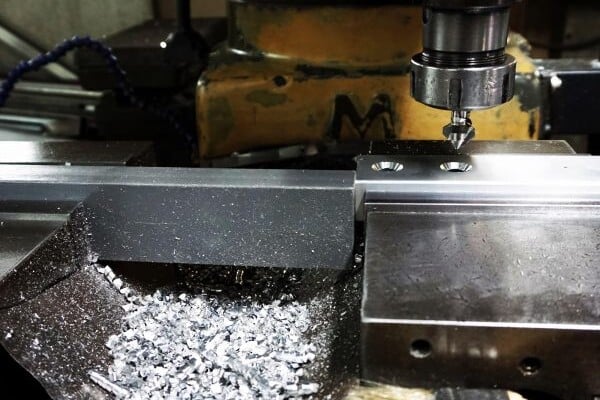
Aluminum Dust Collection System
EXPOSURE RISKS FOR ALUMINUM DUST While the most common physical problem associated with aluminum...
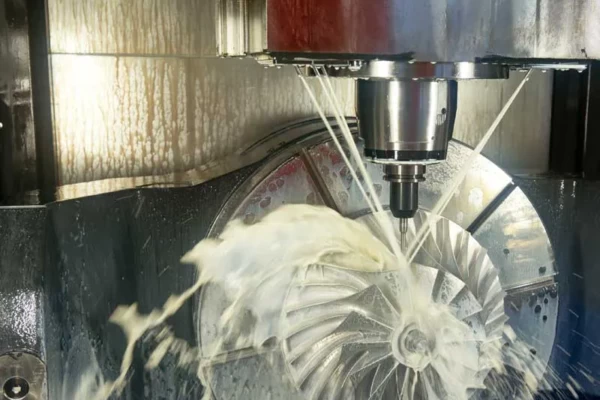
Oil Mist Collection System
EFFICIENT OIL MIST COLLECTION THROUGH SOURCE CAPTURE It is important to protect workers from th...
CONTACT US
Contact one of our industrial dust experts to gain the advantage against dust-generating processes and applications.


