


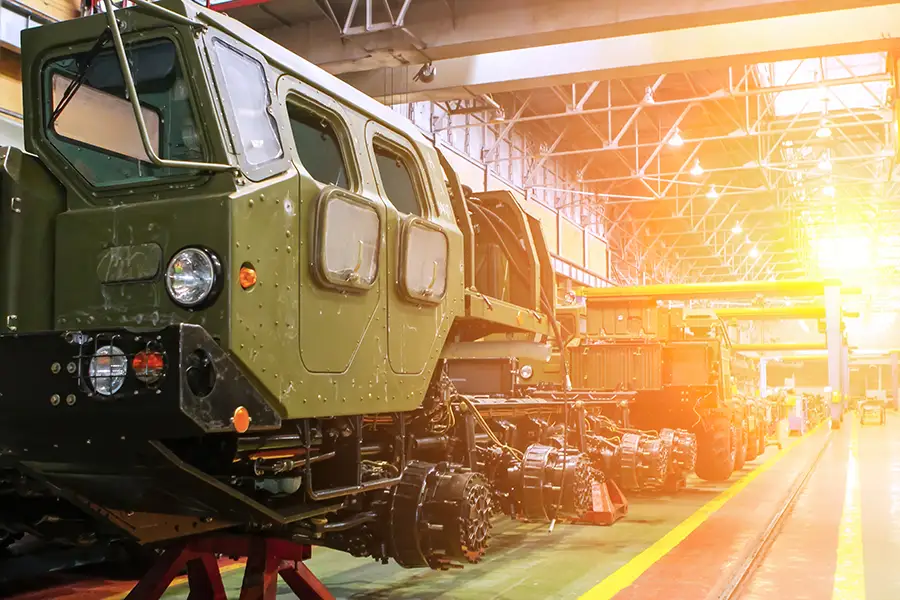
RoboVent Solutions for Military MRO and Ground Support Operations
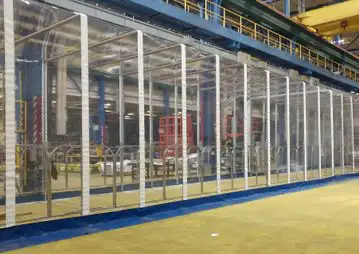
 From large base depots to improvised field shelters, military MRO operations require flexible and rugged air quality solutions that can keep pace with evolving mission demands. RoboVent delivers engineered systems built for adaptability, supporting safe, compliant workspaces across maintenance, repair and overhaul activities.
RoboVent has solutions for:
- Modular Containment with DuroRoom™: Create enclosed work zones anywhere with retractable, code-compliant enclosures that isolate fumes, dust, overspray and mist—ideal for welding, grinding or painting in temporary or reconfigurable spaces.
- Flexible Source Capture Systems: Fume guns, extraction arms, portable fume extractors and versatile all-in-one weld booths and grinding stations from VentBoss™ provide targeted fume control for welding and cutting operations—especially when ducted systems aren’t feasible.
- Ambient Air Filtration Systems: High-efficiency air scrubbers like the Vortex™ ductless ambient air filtration system reduce background contamination across shared maintenance bays and general-purpose logistics facilities.
- Engine and Vehicle Exhaust Extraction: Source capture solutions for diesel and gasoline exhaust protect personnel during equipment testing, movement and servicing indoors or in semi-enclosed spaces.
- Oil Mist and Coolant Collection: Capture and filter airborne mist from machining operations and hydraulic systems to maintain clean, dry workspaces and prevent respiratory exposure.
- Spark and Explosion Control: NFPA-compliant safety systems for handling combustible dusts and weld sparks in confined, high-risk areas—especially critical in mobile and improvised repair zones.
Related Resources
Dust and Fume Control Needs in MRO, Logistics and Ground Support
Military MRO and logistics operations involve a wide variety of high-particulate and fume-generating processes, often performed in semi-permanent, makeshift or modular facilities. From vehicle overhauls to power system rebuilds, these tasks demand flexible, reliable air quality systems that protect personnel and support compliance.
- Welding and Cutting: Manual and robotic welding, plasma cutting, torch work and thermal lancing generate toxic metal fumes and particulates—especially in confined or tented environments.
- Grinding, Sanding and Surface Prep: Structural repair and part refinishing release airborne metal dust that must be captured to reduce exposure and fire risk.
- Machining and Drilling: On-base or depot-level fabrication and repair activities produce fine metal dust and oil mist, often in areas without permanent ducting.
- Painting, Coating and Stripping: Spray applications, paint removal and surface treatments release VOCs, overspray and combustible dust—especially in enclosed bays.
- Engine and Powertrain Maintenance: Cleaning and servicing of turbines, hydraulics and diesel engines generate oil mist, fine particulates and exhaust that can accumulate quickly indoors.
- General Equipment Repair and Fabrication: Routine base-level repairs—cutting, drilling, soldering, brazing—require consistent dust and fume mitigation to protect air quality in shared logistics spaces.
Air Quality Challenges in MRO and Logistics
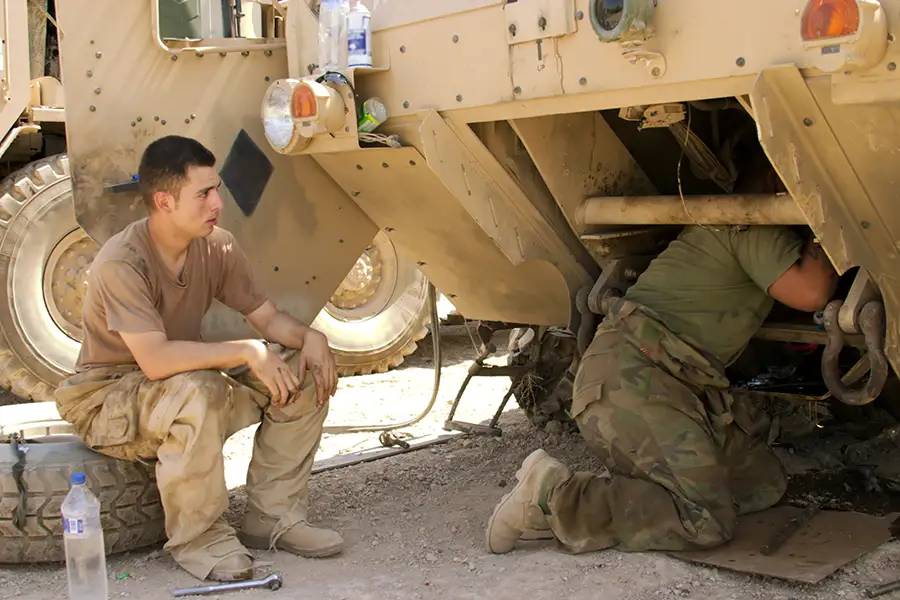 Maintenance and logistics facilities face very different challenges from fixed industrial plants. From fluctuating layouts to mobile repair operations, these environments require dust and fume control solutions that are rugged, flexible and fast to deploy.
- Non-Permanent or Improvised Workspaces: Many maintenance tasks occur in temporary shelters, hangars or mobile units where permanent ducting and infrastructure are not available.
- Confined and Poorly Ventilated Areas: Forward operating bases, tents and retrofitted buildings can trap weld fumes, oil mist and other airborne contaminants without proper extraction.
- Process Variability and Mission Shift: Facilities must support a wide range of activities—from welding and cutting to coating and engine repair—often changing with little notice.
- Combustible and Toxic Particulates: Grinding, machining and painting generate hazardous or flammable dusts that require safe containment even in remote or makeshift locations.
- Environmental and Physical Stressors: Dust control equipment must operate reliably in dusty, hot, humid or otherwise harsh outdoor environments.
- Tight Timelines and High Equipment Turnover: Maintenance and overhaul operations are often time-critical, with little room for downtime—making equipment reliability and serviceability essential.
Health Risks from Airborne Contaminants in MRO and Ground Support
MRO and logistics personnel are routinely exposed to harmful airborne contaminants during maintenance and repair activities. Without effective dust and fume control, these exposures can lead to serious short- and long-term health issues, especially in enclosed or poorly ventilated spaces.
- Welding Fumes: Contain toxic metals such as hexavalent chromium, manganese and nickel, which are linked to lung damage, neurological effects and increased cancer risk.
- Grinding and Cutting Dust: Fine metal particles can enter deep into the lungs, causing chronic respiratory conditions and increasing the risk of combustible dust incidents.
- Oil Mist and Coolant Aerosols: Released during machining or engine repair, these mists can irritate the lungs and skin and contribute to long-term respiratory stress.
- Solvent and Paint Vapors: VOCs from degreasing, coating and stripping operations can cause headaches, nausea, respiratory irritation and liver or kidney damage with prolonged exposure.
- Diesel and Engine Exhaust: In enclosed motor pools or test bays, exhaust emissions contribute to poor indoor air quality and elevate risks for asthma, heart disease and cancer.
RoboVent systems are designed to minimize these risks, supporting a safe and breathable work environment for military maintainers and logistics teams.
Compliance with Air Quality Standards in MRO and Logistics
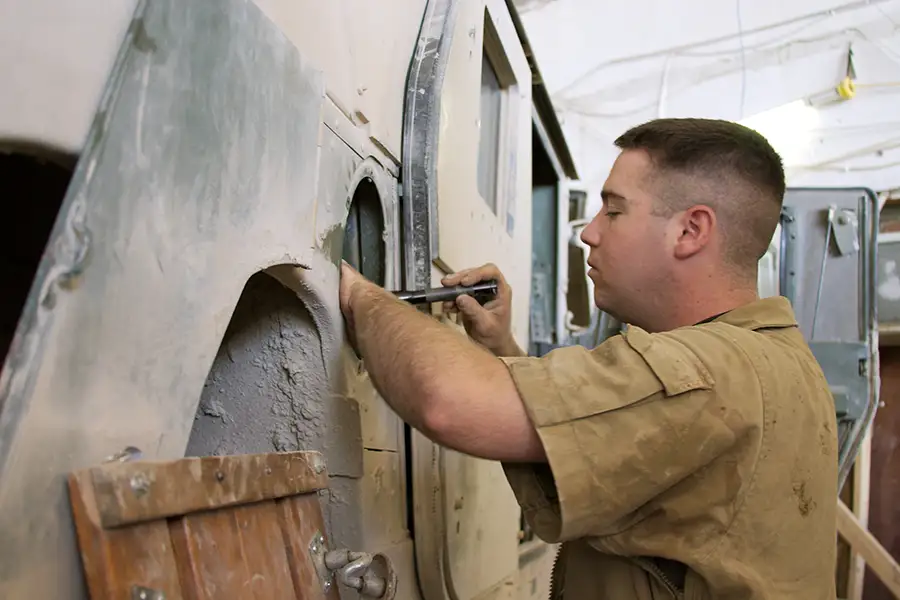 Maintenance and logistics facilities must meet the same stringent health and safety regulations as production environments—often with added scrutiny due to the mobility, mission-critical nature, and DoD oversight of these operations. RoboVent systems support compliance across multiple regulatory frameworks with engineered controls and documentation-ready solutions.
- OSHA 29 CFR 1910: Sets permissible exposure limits (PELs) for welding fume constituents, solvent vapors, and oil mist; applicable to base-level and contractor-operated facilities.
- NFPA 660 (Combustible Dust): Governs dust hazard mitigation (including dust hazard analysis, deflagration protection and spark control), especially important for grinding, sanding and surface prep operations.
- DOEHRS (Defense Occupational and Environmental Health Readiness System):Requires exposure monitoring and mitigation controls for active-duty and civilian personnel in DoD-run facilities.
- MIL-STD and Service-Specific Requirements:May include branch-specific safety, maintenance bay, or hangar standards for ventilation, particle control and fire prevention.
- Environmental Compliance for Mobile/Field Operations:Portable and temporary setups must still comply with indoor air quality expectations and minimize environmental health impacts under operational directives.
RoboVent’s portable and modular systems help ensure readiness and compliance across dynamic defense maintenance environments.

Built for the Realities of Military MRO
From depot-level repair to flight-line and field maintenance, no two military MRO environments are alike. RoboVent understands the unpredictable, mobile and high-pressure nature of defense support—and we build air quality solutions to match. Our systems are designed for flexibility, fast deployment and reliable performance under pressure, so your teams can focus on mission readiness, not fume exposure.
Let us help you support your mission. Contact the RoboVent solutions team today.
Ready to build a safer, more compliant workspace?
Talk to our team about air quality solutions built for defense environments—by people who understand the mission.
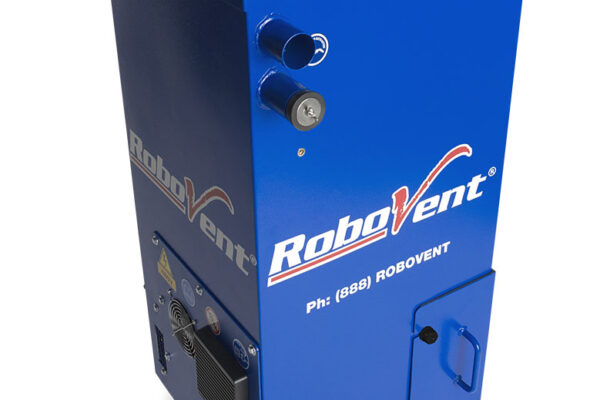
ProCube II
ProCube II Portable Weld Fume Extractor | RoboVent HI-VAC FILTRATION FOR MANUAL AND ROBOTIC WEL...
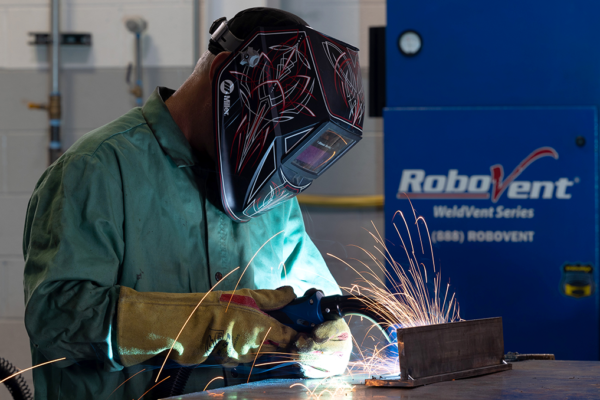
MIG Fume Guns
MIG Fume Extractor Gun XFUME™ FUME EXTRACTION WELDING GUNS Protect welders by collecting wel...
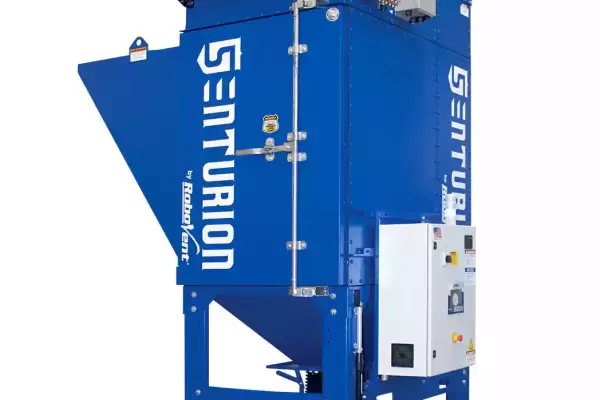
Senturion
Senturion Modular Dust Collector ONE TOUGH DUST COLLECTOR. COUNTLESS APPLICATIONS. Senturion i...
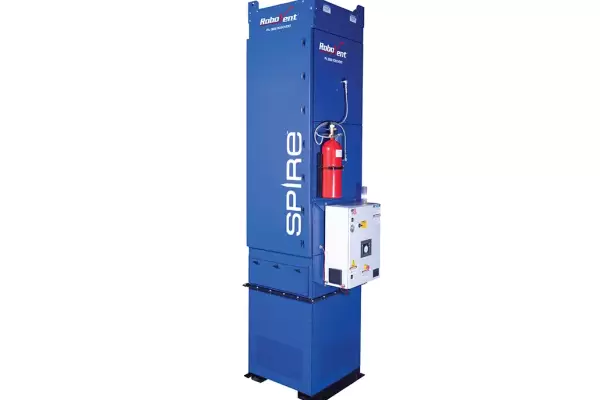
Spire Series
Spire Series Robotic Weld Fume Extractor ROBOTIC WELD FUME CONTROL TAILORED TO YOU Don't pay f...
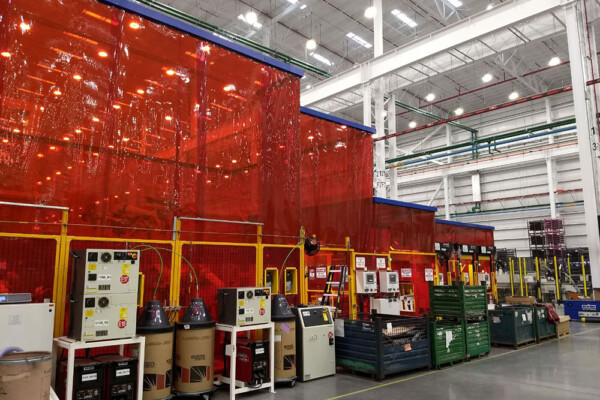
Welding Booth for Robotic Welding Cells
Streamline Hood™: Robotic Welding Hood A modular industrial hood engineered for efficient sou...
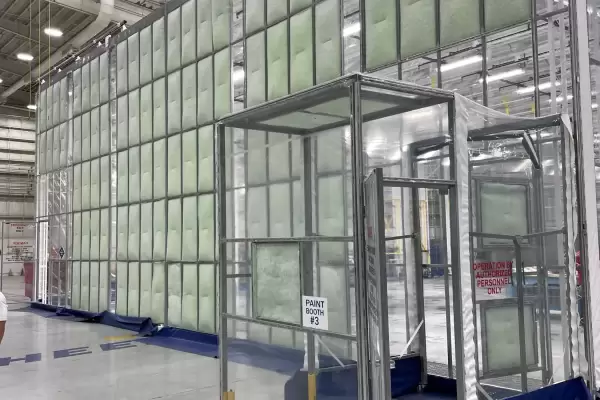
DuroRoom
Retractable Industrial Enclosures DuroRoom™ is a flexible process containment system engineer...
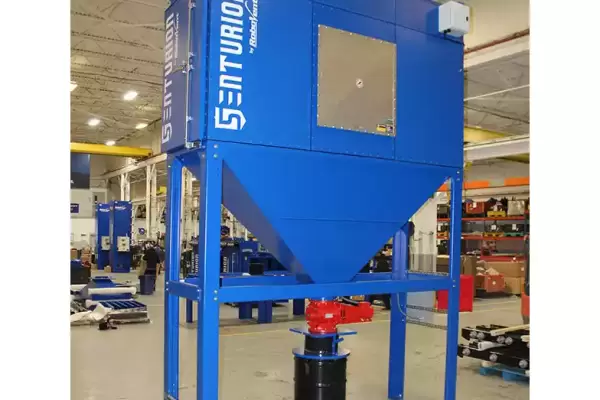
Deflagration System
Protecting your workers and facility from the risks of combustible dust, RoboVent's Deflagratio...
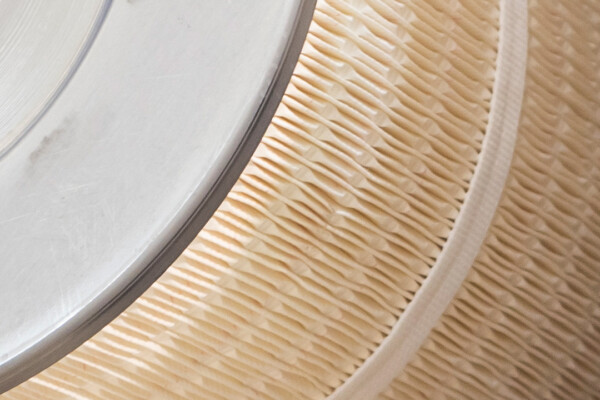
PleatLock Dust Collector Cartridge Filters
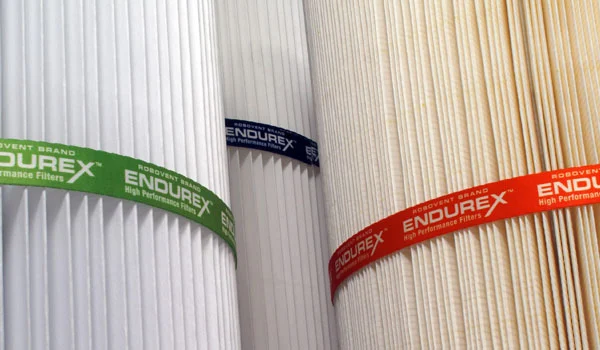
PLEATLOCK DUST COLLECTOR CARTRIDGE FILTERS Why PleatLock? 35% more media extends filter life a...
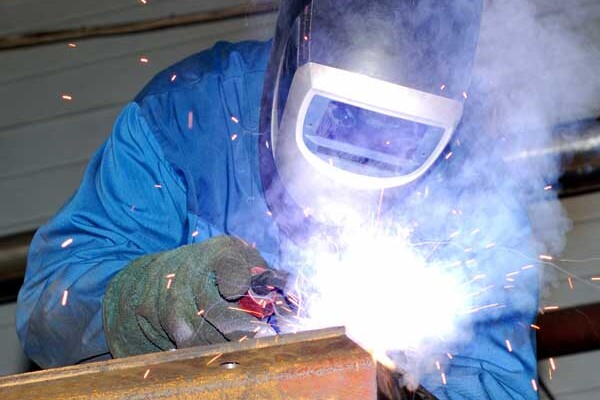
Welding Fumes Collection
EXPOSURE RISKS FOR WELDING FUMES Weld fumes are a particularly dangerous inhalation risk because...
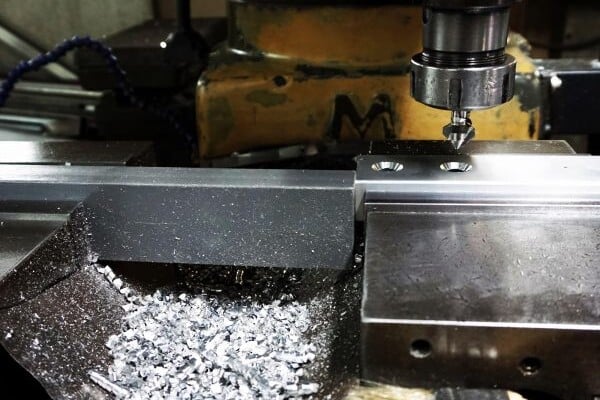
Aluminum Dust Collection System
EXPOSURE RISKS FOR ALUMINUM DUST While the most common physical problem associated with aluminum...
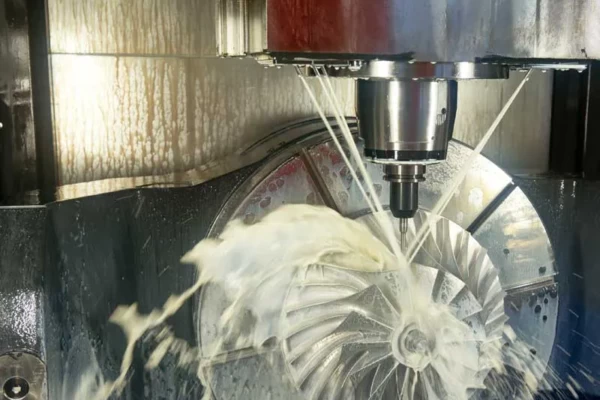
Oil Mist Collection System
EFFICIENT OIL MIST COLLECTION THROUGH SOURCE CAPTURE It is important to protect workers from th...
CONTACT US
Contact one of our industrial dust experts to gain the advantage against dust-generating processes and applications.


