



THE EXPERTS IN AEROSPACE AND AVIATION MANUFACTURING VENTILATION SOLUTIONS
 Commercial aerospace manufacturers face some of the most demanding air quality challenges in modern industry. From composite machining dust collection and aluminum dust extraction systems to aircraft paint booth ventilation, titanium grinding dust collectors and aerospace welding fume extraction, facilities must control a wide range of airborne contaminants while maintaining strict quality and compliance requirements.
RoboVent provides engineered aerospace dust collection systems and aviation manufacturing ventilation solutions designed to help aircraft manufacturers and aerospace suppliers create safer, cleaner and more productive operations.
We help aerospace manufacturers solve challenges such as:
- Controlling airborne contaminants across diverse aviation manufacturing processes
- Safely managing combustible metals and advanced composite dusts
- Maintaining clean environments for precision aircraft manufacturing
- Capturing dust and fumes from large, complex aircraft components
- Balancing regulatory compliance with productivity and equipment uptime
Related Resources
Dust and Fume Control Applications for Commercial Aviation Manufacturing
Commercial aviation manufacturing and maintenance operations rely on advanced materials, precision fabrication and highly controlled production environments. From composite machining and aircraft painting to titanium grinding, these processes generate hazardous airborne contaminants that require specialized aerospace dust collection systems and aviation manufacturing ventilation solutions.

Key Air Quality Challenges in Commercial Aircraft Manufacturing
Commercial aircraft manufacturing combines advanced materials, precision fabrication and strict quality requirements, creating unique challenges for dust and fume control. Effective ventilation systems must protect workers, prevent contamination and support consistent production across a wide range of manufacturing processes.
 Large, Complex Components: Aircraft fuselages, wings, engine assemblies and structural components require ventilation systems that can effectively capture contaminants across expansive work areas.
- Combustible and Hazardous Materials: Aluminum, titanium, magnesium, carbon fiber and other aerospace materials generate combustible or hazardous airborne dusts that require specialized collection and containment.
- Precision Manufacturing Standards: Even small amounts of airborne dust or fumes can contaminate sensitive components, damage electronics or affect product quality during assembly and finishing.
- Diverse Manufacturing Processes: Machining, welding, composite fabrication, additive manufacturing, painting and surface finishing each generate different airborne contaminants that require tailored filtration solutions.
- Production Efficiency: Air filtration systems must minimize maintenance and downtime while supporting continuous manufacturing and high production throughput.
- Complex Regulatory Requirements: Aircraft manufacturers must comply with OSHA, NFPA, EPA and industry quality standards while maintaining safe working environments and consistent manufacturing processes.
Compliance Standards for Commercial Aircraft Manufacturing
 Commercial aircraft manufacturers must control airborne dust, fumes and emissions while meeting strict worker safety, environmental and quality standards. Air filtration and ventilation systems often play a key role in supporting compliance with:
- OSHA: Exposure limits for welding fumes, metal dust, hexavalent chromium and other airborne contaminants (29 CFR 1910.1000, 1910.1026 and 1910.1200).
- NFPA 660: Combustible dust requirements for aluminum, titanium and other metal dust generated during machining and finishing operations, including Dust Hazard Analysis (DHA) and explosion protection.
- EPA: Emissions regulations for aircraft painting, coating and finishing processes, including requirements for paint booth ventilation and hazardous air pollutant (HAP) control.
- AS9100: Quality management standards that emphasize contamination control to help protect high-value aircraft components during manufacturing.
- ISO 14644: Clean manufacturing requirements for particle-controlled production environments used for sensitive aerospace components.
Engineered dust collection, source capture ventilation and commercial aviation air filtration systems help manufacturers protect employees, maintain product quality and support regulatory compliance.
Built for the Demands of Aircraft Manufacturing

Commercial aerospace manufacturers operate in an environment where worker safety, product quality and regulatory compliance are equally critical. From composite machining dust collection and carbon fiber dust extraction systems to aircraft paint booth ventilation, titanium grinding dust collectors and aerospace welding fume extraction, controlling airborne contaminants is essential to protecting employees, maintaining clean manufacturing environments and safeguarding high-value aerospace components.
RoboVent provides engineered aerospace dust collection systems and aviation manufacturing ventilation solutions designed for the unique challenges of aircraft manufacturing, aerospace component production and MRO operations. Whether you're fabricating composite structures, machining titanium components, operating paint booths or managing combustible metal dust hazards, our team can help design a solution that supports cleaner air, safer operations and long-term compliance.
Ready to improve air quality in your aerospace facility? Talk to a RoboVent expert about aerospace dust collection systems and aviation manufacturing ventilation solutions.
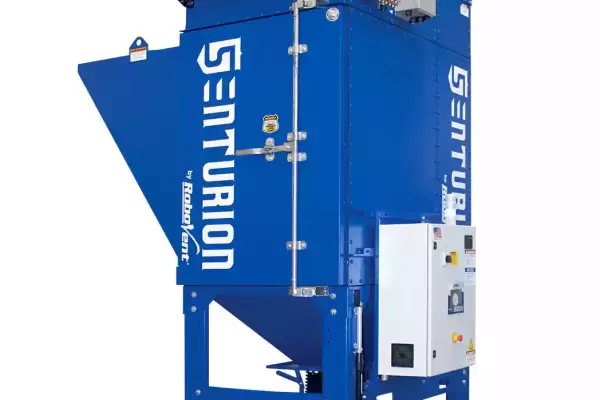
Senturion
Senturion Modular Dust Collector ONE TOUGH DUST COLLECTOR. COUNTLESS APPLICATIONS. Senturion i...
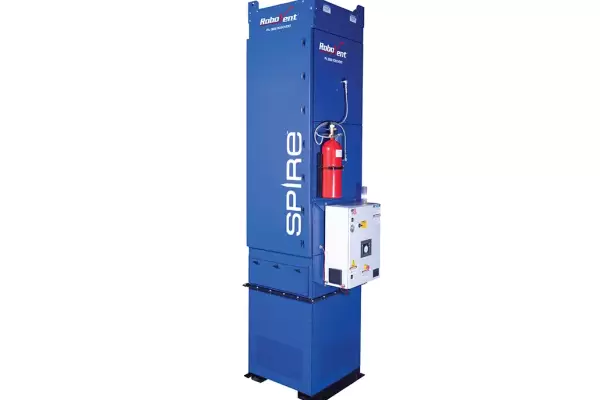
Spire Series
Spire Series Robotic Weld Fume Extractor ROBOTIC WELD FUME CONTROL TAILORED TO YOU Don't pay f...
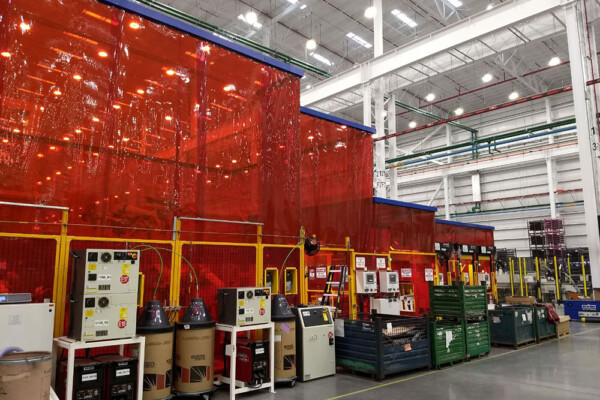
Welding Booth for Robotic Welding Cells
Streamline Hood™: Robotic Welding Hood A modular industrial hood engineered for efficient sou...
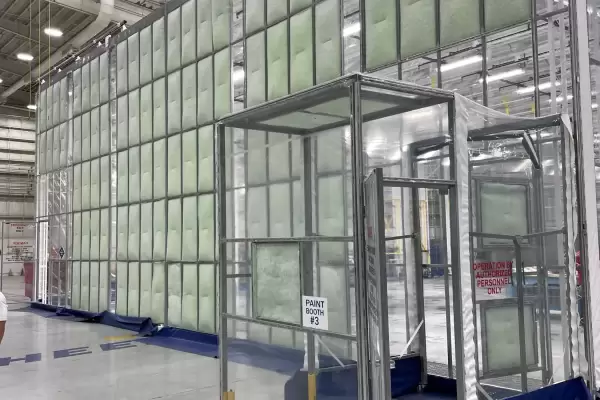
DuroRoom
Retractable Industrial Enclosures DuroRoom™ is a flexible process containment system engineer...
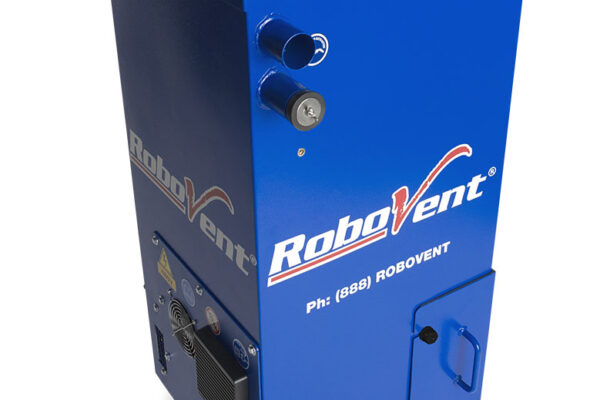
ProCube II
ProCube II Portable Weld Fume Extractor | RoboVent HI-VAC FILTRATION FOR MANUAL AND ROBOTIC WEL...
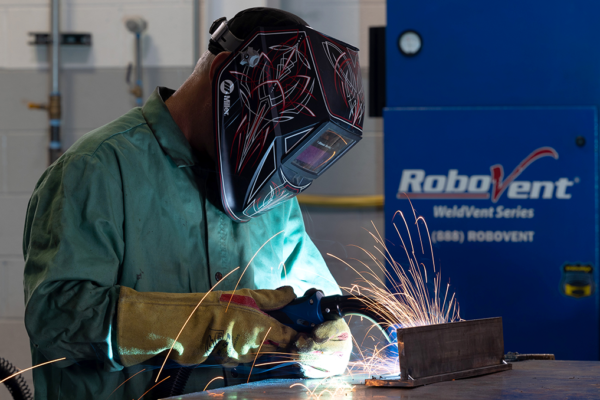
MIG Fume Guns
MIG Fume Extractor Gun XFUME™ FUME EXTRACTION WELDING GUNS Protect welders by collecting wel...
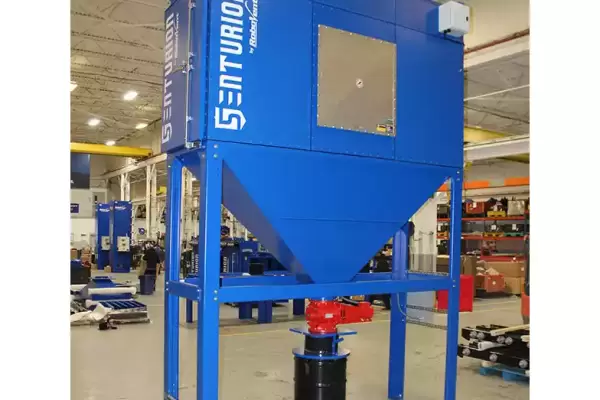
Deflagration System
Protecting your workers and facility from the risks of combustible dust, RoboVent's Deflagratio...
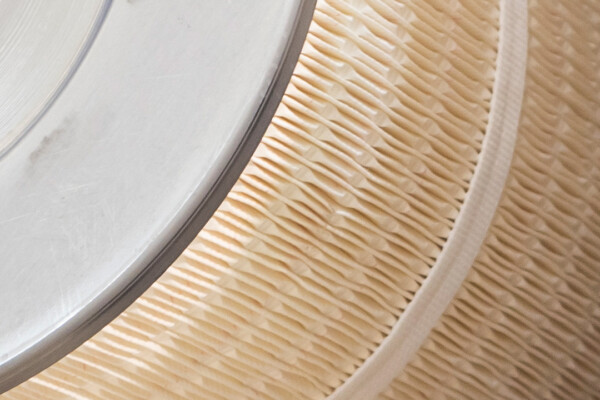
PleatLock Dust Collector Cartridge Filters
PLEATLOCK DUST COLLECTOR CARTRIDGE FILTERS Why PleatLock? 35% more media extends filter life a...
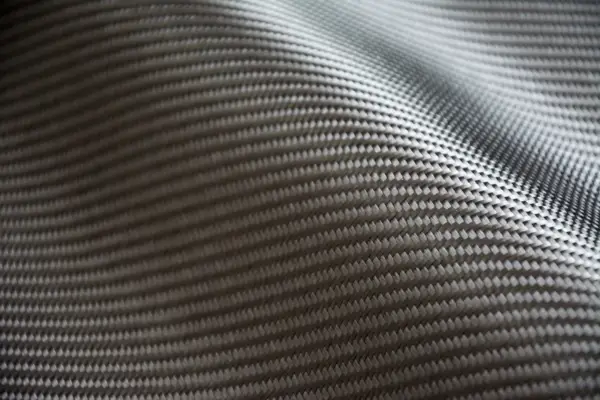
Composite Dust Control
SOLUTIONS FOR CARBON FIBER AND COMPOSITE DUST COLLECTION Controlling carbon fiber dust, fibergla...
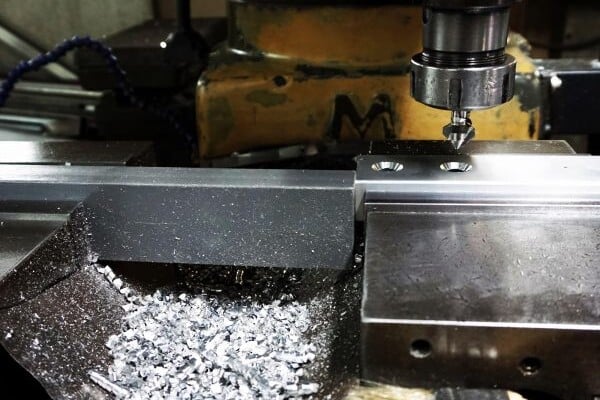
Aluminum Dust Collection System
EXPOSURE RISKS FOR ALUMINUM DUST While the most common physical problem associated with aluminum...
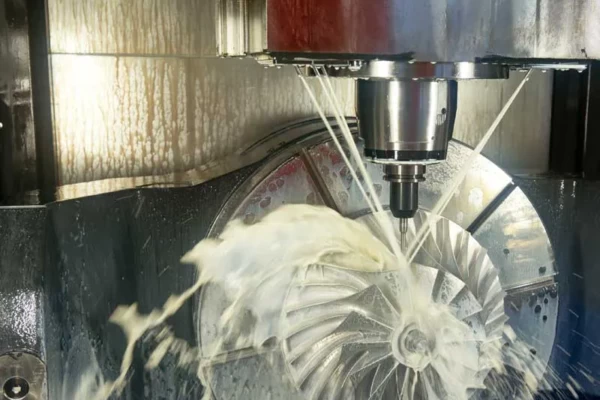
Oil Mist Collection System
EFFICIENT OIL MIST COLLECTION THROUGH SOURCE CAPTURE It is important to protect workers from th...
CONTACT US
Contact one of our industrial dust experts to gain the advantage against dust-generating processes and applications.


